
Wholesale Ape Hangers Buying Guide: Rise, Width and Fitment
Choosing height alone is the fastest way to ruin a build.
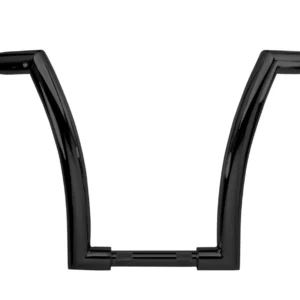
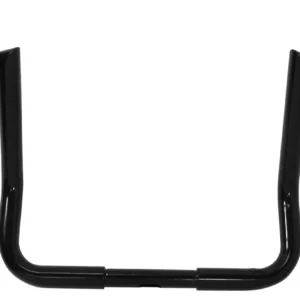
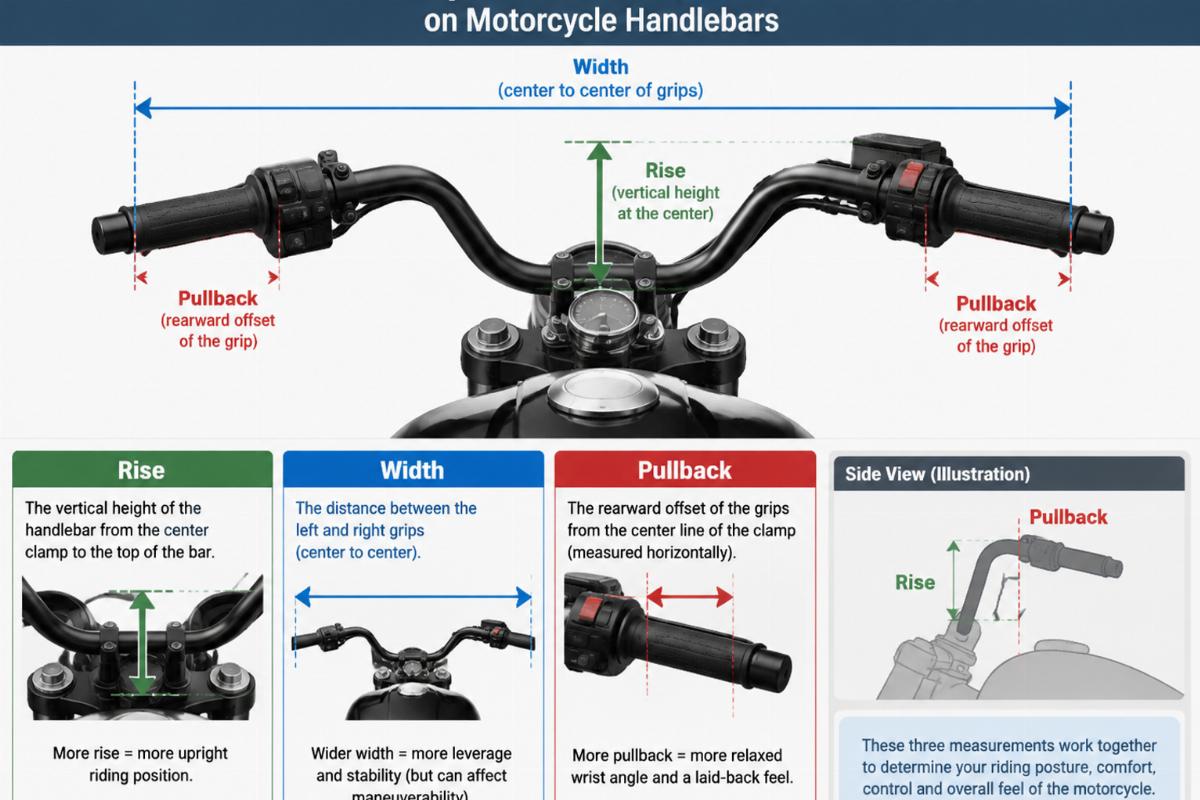
Selecting ape hangers requires treating rise, width, and pullback as an interconnected system to prevent cable shortages and control interference, rather than choosing height alone. This approach ensures compatibility with V-twin models by verifying internal wiring holes, control clamp area geometry, and extended line requirements before ordering.
I learned this the hard way in Dongguan while handling documentation for a California custom shop. The order was straightforward on paper: sixteen-inch rise bars for a Softail. I matched the height and shipped them with standard length cables, assuming the rest would fall into place. When the container opened at the port, the customer found the throttle lines were short by two inches. Worse, the bar width clashed directly with the mirror mounts. That mistake cost more than just freight; it required remaking the entire wire harness and replacing the controls. Now, when I review specifications for an ape hangers buying guide, I look past the vertical measurement. The real work happens in the horizontal plane and the depth of the pullback. [NEED_CITE: industry-standard dimensional charts for V-twin frames]
Fitment is not about aesthetics until the bike is on the road. It is about clearance, routing, and ergonomics. Distributors and builders need to understand how these three dimensions interact to avoid returns and ensure a smooth installation process.
Why Does Rise Alone Mislead Buyers?
Height is irrelevant if width and pullback cause interference.
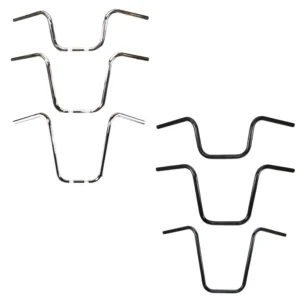
Most buyers fixate on the rise because it defines the visual stance of the motorcycle. A higher bar creates that classic chopper silhouette. However, rise is only one vector in a three-dimensional space. Ignoring the other two leads to functional failures that are expensive to correct after the parts have arrived.
When you increase the rise, you are moving the grip position up and back. This movement changes the path every cable and wire must take. If the width is too narrow, the rider’s elbows tuck in uncomfortably, and the controls may hit the fuel tank or fender struts. If the width is too wide, the mirrors become useless, and the switch housings may interfere with the fairing or windshield. [NEED_CITE: Factory service manuals for torque and clearance specs]
The pullback is often the most overlooked dimension. It determines how far the grips extend toward the rider. Incorrect pullback causes wrist strain or makes the throttle stick because the cable angle becomes too acute. In my experience, a bar with the perfect rise but the wrong pullback feels unnatural to ride. The rider fights the handlebars instead of guiding the machine.
For distributors, this means that stocking only by rise is a recipe for high return rates. Customers do not always know that they need to check the pullback against their triple tree spacing. Providing clear data on all three dimensions helps them make informed decisions. It reduces the likelihood of ordering a part that looks right but fits wrong.
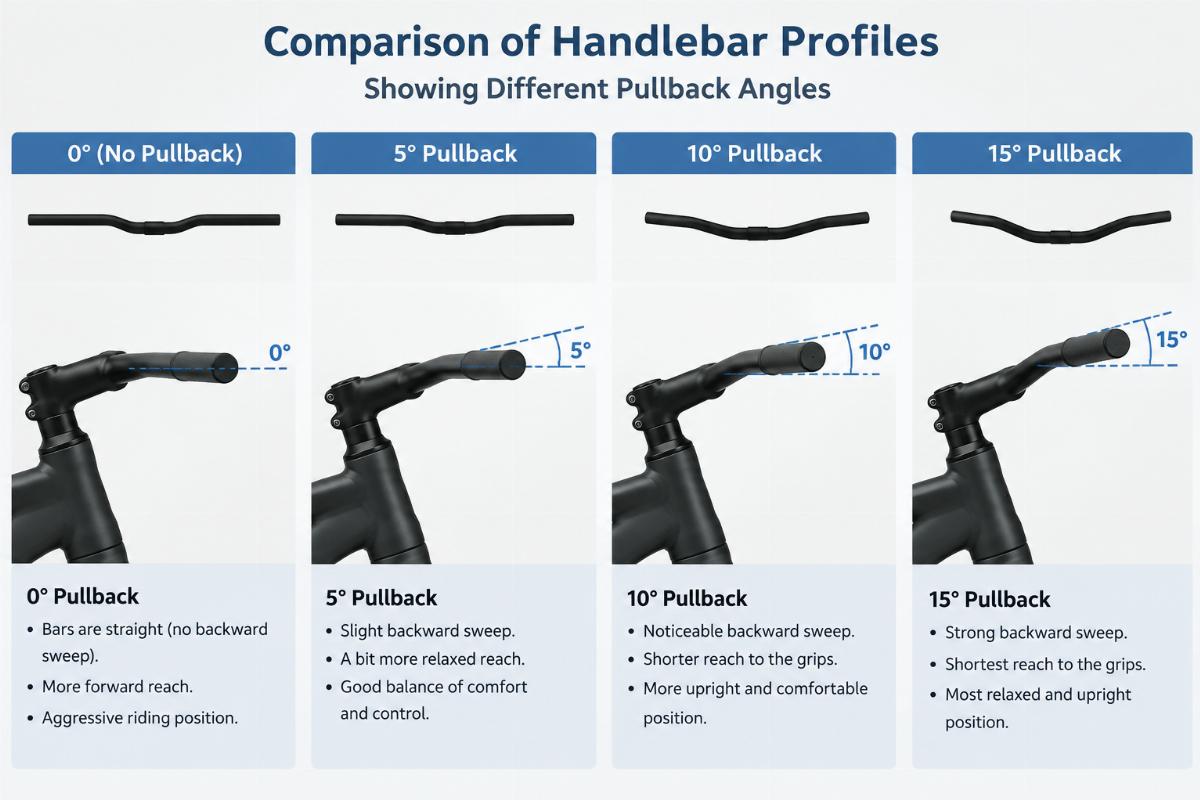
Understanding that rise is just the starting point allows buyers to evaluate the whole package. It shifts the focus from a single number to a holistic view of the cockpit layout. This perspective is critical for anyone compiling an ape hangers buying guide for their inventory.
How Do Width and Pullback Affect Fitment?
Wider bars may hit mirrors; wrong pullback strains controls.
Width and pullback dictate the physical envelope of the handlebars. They determine whether the controls will clear the motorcycle’s bodywork and whether the rider can reach the switches comfortably. These dimensions are not interchangeable; each serves a specific geometric function.
Excessive width is a common issue with custom builds. While wide bars offer leverage, they can cause the mirrors to vibrate excessively or hit the rider’s shoulders. More critically, wide bars may push the switch housings into the path of the windshield or fairing. This interference can crack plastic components or prevent the bars from turning fully lock-to-lock. Checking the handlebar end-to-end width against OEM mirror mounts is a simple step that prevents these issues. [NEED_CITE: root cause distribution per ISO 15243]
Pullback affects the ergonomic triangle between the rider’s shoulders, elbows, and wrists. If the pullback is too shallow, the rider must lean forward, putting weight on the wrists. If it is too deep, the elbows flare out, reducing control precision. For Harley-Davidson models, the clamp area geometry must match the stock triple tree spacing. A mismatch here can cause the bars to sit at an odd angle, leading to uneven stress on the mounting bolts.
| Dimension | Impact on Fitment | Common Issue |
|---|---|---|
| Rise | Vertical grip position | Cable length shortage |
| Width | Horizontal clearance | Mirror or fairing interference |
| Pullback | Depth toward rider | Wrist strain or throttle stickiness |
This table highlights how each dimension contributes to the overall fit. It is not enough to measure one; all three must be verified. For Yamaha XS650 builds, the clamp diameter and pullback are particularly critical due to the narrower frame geometry compared to American V-twins.
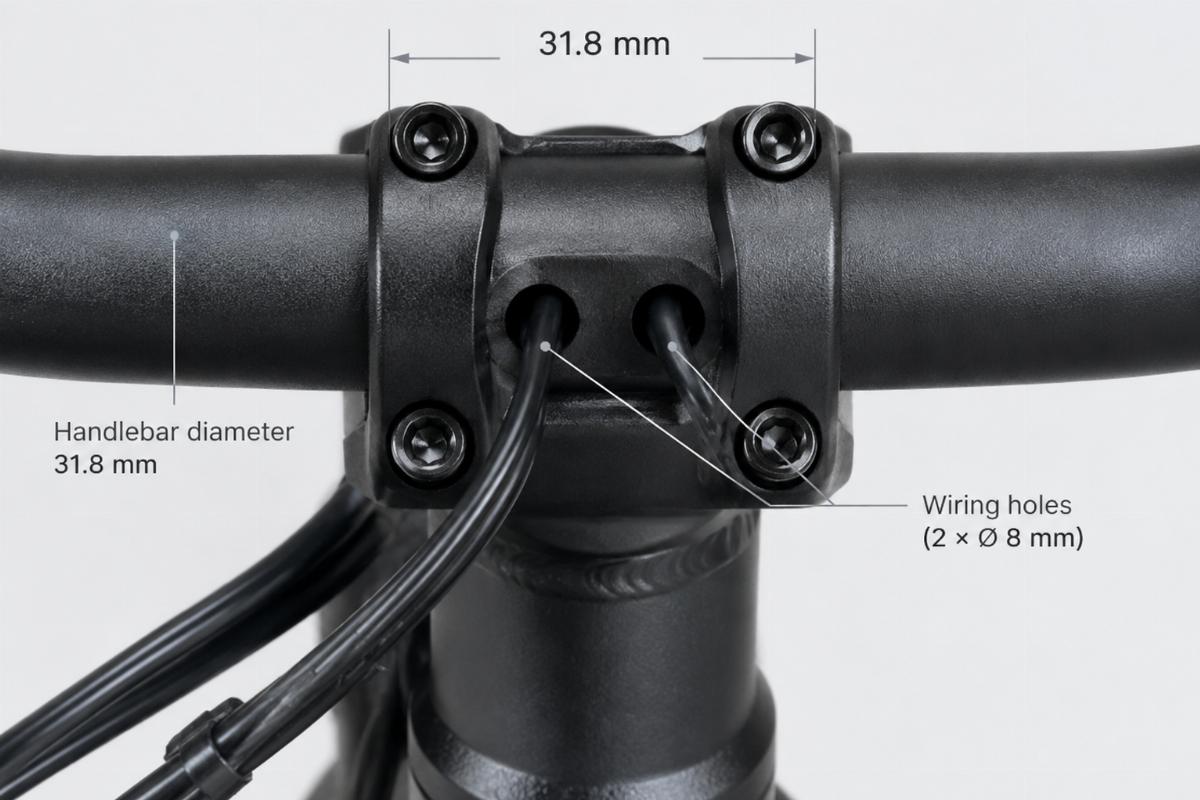
When sourcing parts, I always ask for the specific model year. This allows me to cross-reference the clamp area diameter and wiring hole size. It ensures that the bars will bolt on without modification. This attention to detail is what separates a reliable supplier from a box mover. An effective ape hangers buying guide must emphasize these interactions to help buyers avoid costly mistakes.
What Cable Changes Are Required for High Bars?
Calculate extra length needed for throttle, clutch, and brake lines.
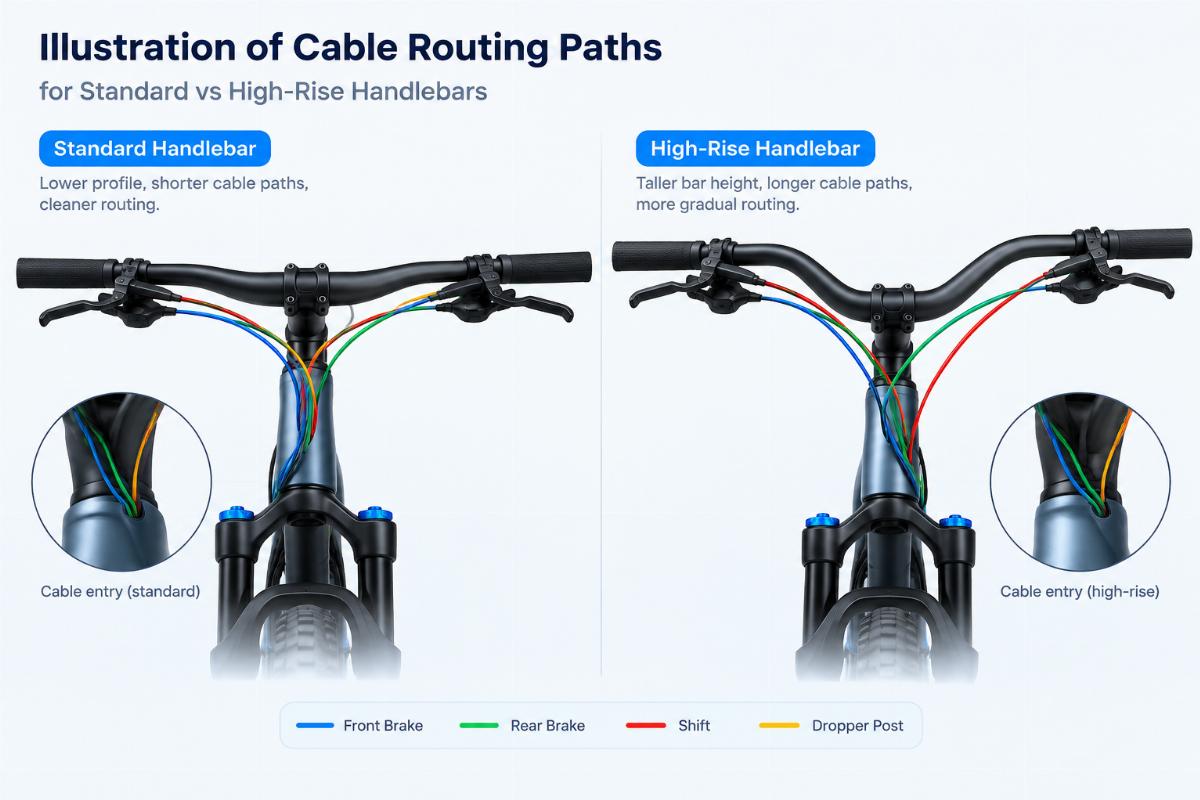
High-rise bars demand longer cables and wires. This is a physical certainty. As the grips move up and back, the distance they travel from the master cylinders and carburetor or throttle body increases. Assuming that universal cables will fit is a dangerous assumption. Internal wiring holes and external line lengths vary significantly by model year. [NEED_CITE: industry-standard dimensional charts for V-twin frames]
The first step is to measure the difference between the stock bar path and the new bar path. This involves tracing the route the cables will take from the controls to their connection points. For throttle and clutch lines, this often means adding several inches to the stock length. Brake lines may also need extension, especially if the master cylinder is mounted on the handlebar.
Directional measurement is key. Measure from the clamp center to the grip center to determine the rise. Then, account for the pullback by measuring the horizontal distance. Add these values to the stock cable length to estimate the required extension. It is better to err on the side of caution and order slightly longer lines than to risk them being too short.
| Component | Action Required | Reason |
|---|---|---|
| Throttle Cables | Extend length | Increased distance to carburetor/throttle body |
| Clutch Line | Extend length | Higher lever position requires more slack |
| Brake Line | Extend length | Master cylinder movement increases path |
| Wiring Harness | Check length | Switches move further from main harness |
This checklist serves as a quick reference for builders. It reminds them to inspect every line that connects to the handlebars. Neglecting even one can leave the motorcycle undrivable.
In the case of the California order, the throttle lines were the failure point. The standard length could not reach the new grip position. By calculating the extra length needed based on the rise and pullback, we could have avoided the delay. Now, I include a note about cable requirements in every quote for high-rise bars. This proactive approach saves time and builds trust with customers.
Which Dimensions Matter for Harley and XS650?
Model-specific clamp diameters and wiring hole sizes determine compatibility.
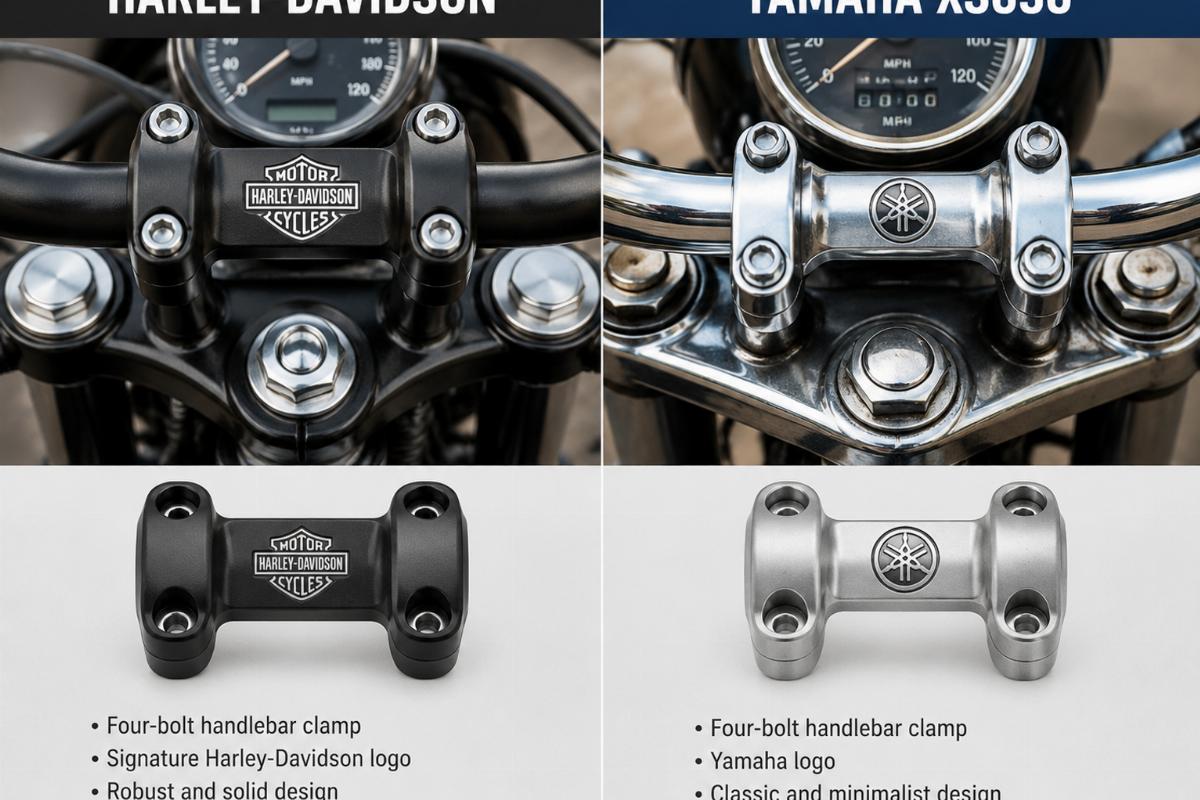
Not all V-twins are created equal. Harley-Davidson and Yamaha XS650 models have distinct requirements for handlebar fitment. Understanding these differences is essential for anyone creating an ape hangers buying guide or sourcing parts for these platforms.
For Harley-Davidson Big Twin models, the clamp diameter is typically one inch or one-and-a-quarter inches, depending on the year and model. Softail and Dyna families have specific spacing requirements that must be met. The internal wiring hole diameter is also critical. It must be large enough to accommodate the switch housing wires without pinching or damaging them. [NEED_CITE: Factory service manuals for torque and clearance specs]
Yamaha XS650 builds often require narrower bars with a different pullback profile. The frame geometry is tighter, and the stock controls are positioned differently. Using Harley-style bars on an XS650 can lead to clearance issues with the tank and seat. Verifying the clamp area geometry against stock specifications is a necessary step.
| Model Family | Clamp Diameter | Key Consideration |
|---|---|---|
| Harley-Davidson Softail | 1 in / 1.25 in | Triple tree spacing and wiring hole size |
| Harley-Davidson Dyna | 1 in / 1.25 in | Control clearance and cable routing |
| Yamaha XS650 | 7/8 in | Narrower width and specific pullback |
This comparison shows why a one-size-fits-all approach does not work. Each platform has its own set of constraints. Cross-referencing OEM numbers helps identify the correct dimensions. Marking these as reference only ensures compliance with brand guidelines while providing accurate technical data.
I always recommend sending the model and year for a fitment check. This allows us to verify the bar diameter and wiring compatibility before ordering. It prevents the frustration of receiving parts that do not fit. For distributors, this level of support reduces returns and enhances customer satisfaction.
Conclusion
Fitment is a system, not a single measurement.
Selecting the right handlebars requires a holistic view of rise, width, and pullback. Ignoring any one of these dimensions can lead to cable shortages, control interference, or ergonomic discomfort. By treating these factors as an interconnected system, builders and distributors can ensure compatibility and reduce returns. Always verify clamp diameters, wiring hole sizes, and cable lengths against specific model requirements. Send your model and year for a fitment check to confirm these details before placing an order. This careful approach turns a potential headache into a smooth installation.