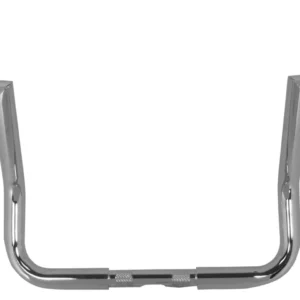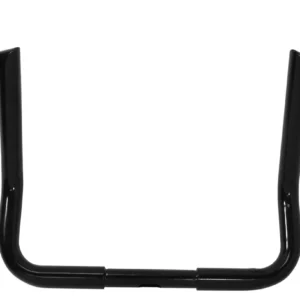

Wholesale Motorcycle Parts: Chrome vs Black Powder Coat vs Raw Finish
Chrome is not always the superior choice for corrosion resistance.
The optimal finish for V-twin motorcycle parts depends entirely on the operating climate, assembly method, and maintenance expectations of the end user. Selecting the wrong surface treatment leads to premature failure, fitment issues during installation, and increased return rates for distributors.
I still remember the silence in the warehouse after a container arrived in Dubai. The springer forks inside were raw steel, shipped without any protective coating to save costs. Within weeks of arrival in that humid coastal environment, the threads were seized with rust. The customer could not assemble them. We paid for the freight and the replacement parts. That loss taught me that surface finish is not merely an aesthetic decision; it is a functional specification that dictates corrosion resistance, assembly friction, and long-term durability. When sourcing wholesale motorcycle parts coating options, buyers must look beyond the initial price tag and consider the total cost of ownership.
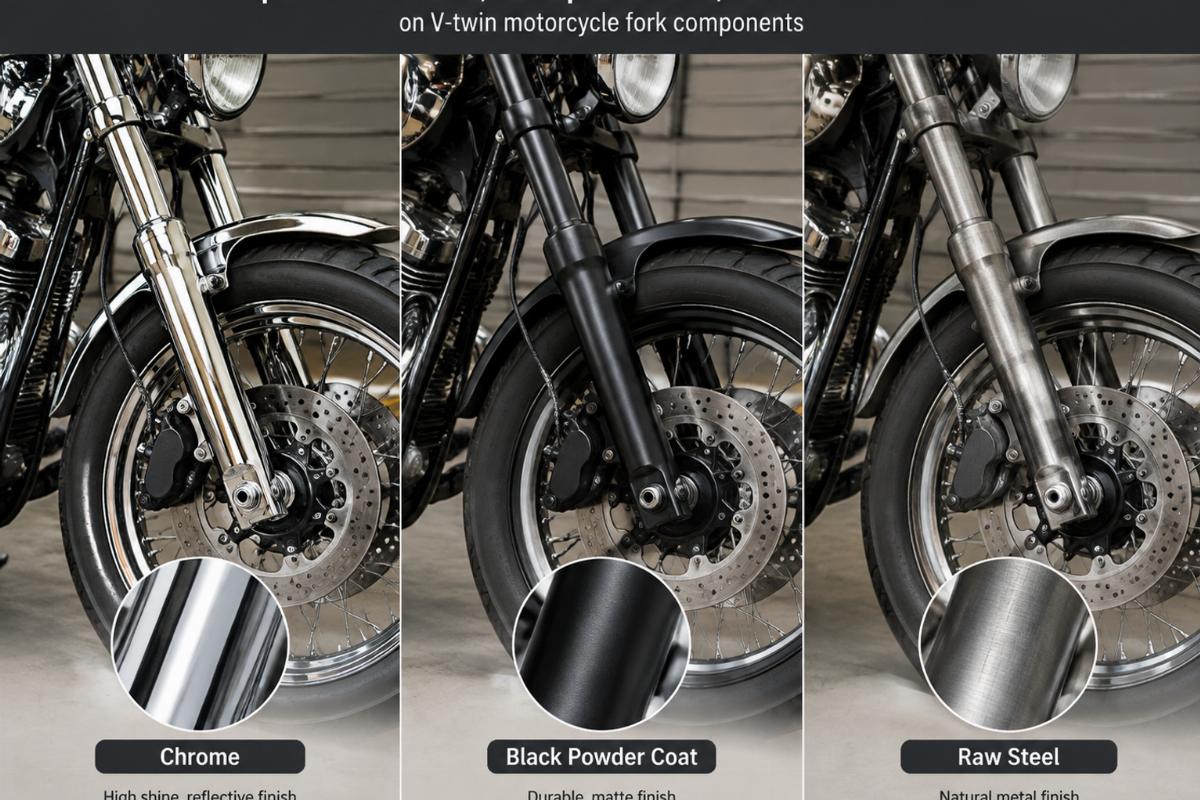
Understanding these differences is critical for minimizing returns and ensuring customer satisfaction. This guide breaks down the technical realities of each finish to help you make informed purchasing decisions for your inventory.
How Does Climate Dictate Finish Longevity?
Humidity and salt exposure require robust barriers like powder coat or high-quality chrome, while dry climates may tolerate raw finishes with proper maintenance.
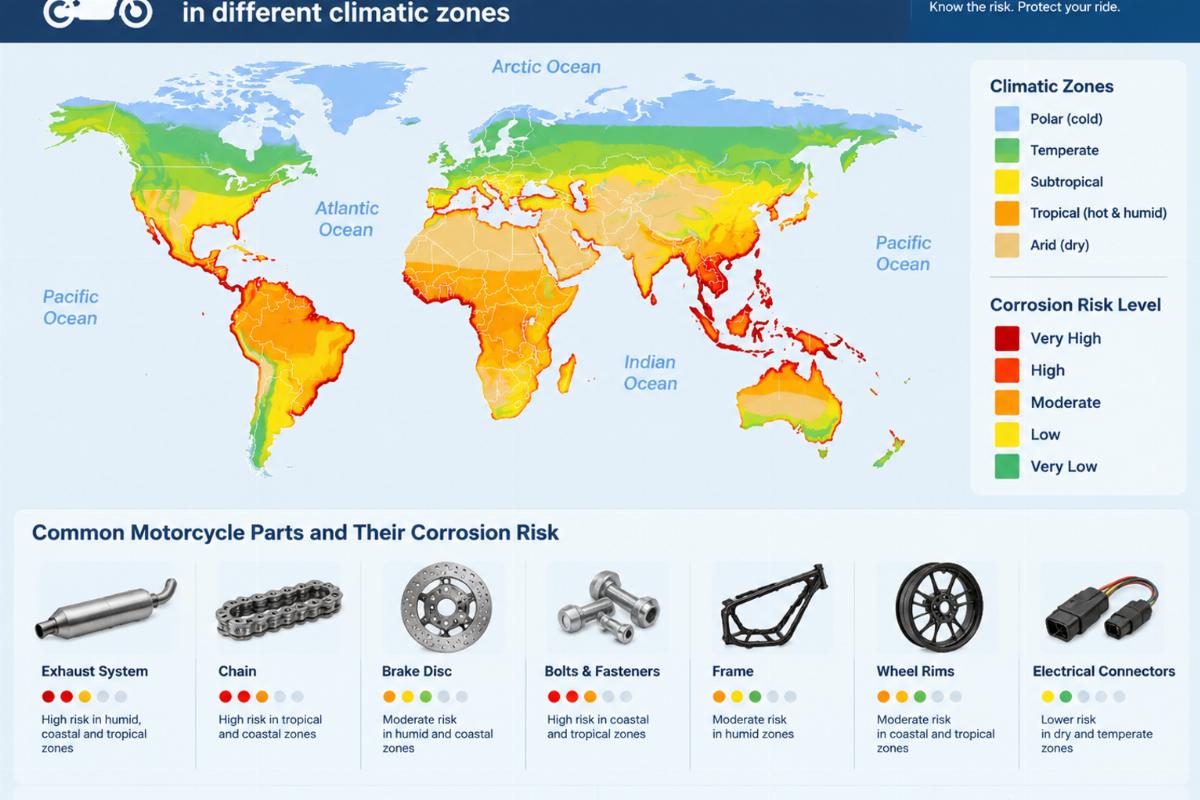
Corrosion is the primary enemy of motorcycle hardware. The rate at which metal degrades is heavily influenced by environmental factors. In coastal regions or areas with high humidity, bare metal oxidizes rapidly. I have seen raw steel components develop surface rust within days of being unpacked in tropical climates. This is not a defect in the steel but a natural chemical reaction. [NEED_CITE: corrosion rates in coastal vs inland environments]
For distributors serving these regions, offering raw finishes is a significant risk. The cost of handling returns and replacing rusted parts often exceeds the initial savings from choosing an uncoated option. Conversely, in arid inland climates, raw finishes can be acceptable if the end user applies anti-seize or oil regularly. However, relying on the end user to maintain the part is a gamble.
Powder coating provides a thick, uniform barrier that resists moisture penetration. It is particularly effective for frames and large body panels where coverage is consistent. Chrome plating also offers excellent protection, but only if the underlying steel is perfectly sealed. If there are microscopic pores in the chrome layer, moisture can trap itself between the chrome and the steel, leading to hidden rust that bubbles up from beneath the shiny surface. This is why high-quality plating processes are essential. [NEED_CITE: mechanisms of underfilm corrosion in electroplated layers]
When evaluating wholesale motorcycle parts coating options, consider the primary geographic market of your customers. A one-size-fits-all approach to finish selection will result in higher warranty claims from specific regions.
What Are the Assembly Risks of Each Finish?
Chrome can gall on threads, powder coat adds thickness affecting fit, and raw requires immediate anti-seize application.
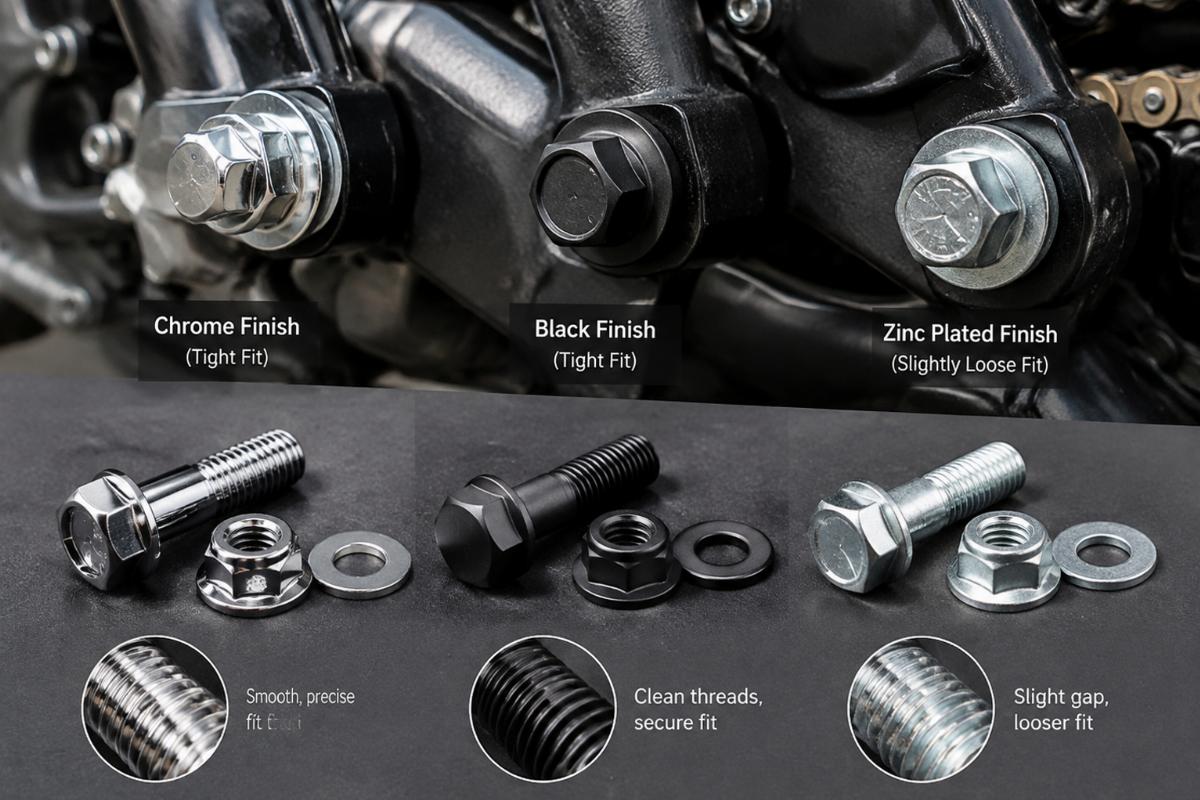
Fitment issues are a major source of frustration for custom builders and repair shops. The surface finish directly impacts how parts interact during assembly. Chrome plating, while durable, can be slippery yet prone to galling when two chrome-plated surfaces are threaded together without lubrication. I have witnessed installers struggle with chrome-on-chrome bolts seizing halfway through tightening. This increases assembly time and risks stripping threads.
Powder coating adds a measurable layer of thickness to the part. While this is beneficial for corrosion resistance, it can interfere with precise fitments. For example, a powder-coated bolt may not thread into a tapped hole designed for a standard tolerance if the coating is too thick in the thread roots. This is particularly relevant for springer fork finish durability where precise alignment is crucial. Manufacturers must control coating thickness to ensure compatibility with OEM specifications. [NEED_CITE: impact of coating thickness on thread fitment tolerances]
Raw metal parts offer the most accurate dimensional fit since no material is added. However, they require immediate application of anti-seize compound or oil to prevent rust during storage and assembly. If a builder forgets this step, the part may seize before it is even installed.
| Finish Type | Assembly Friction | Fitment Risk | Maintenance Requirement |
|---|---|---|---|
| Chrome | High (Galling risk) | Low (Thin layer) | Low (Wipe clean) |
| Powder Coat | Low | Medium (Thickness) | Low (Inspect for chips) |
| Raw | Low | None | High (Immediate oiling) |
Understanding these assembly characteristics helps in providing better technical support to your customers. When selling wholesale motorcycle parts coating options, include clear instructions on lubrication and fitment checks to reduce installation errors.
Which Finish Offers the Best Cost-of-Ownership?
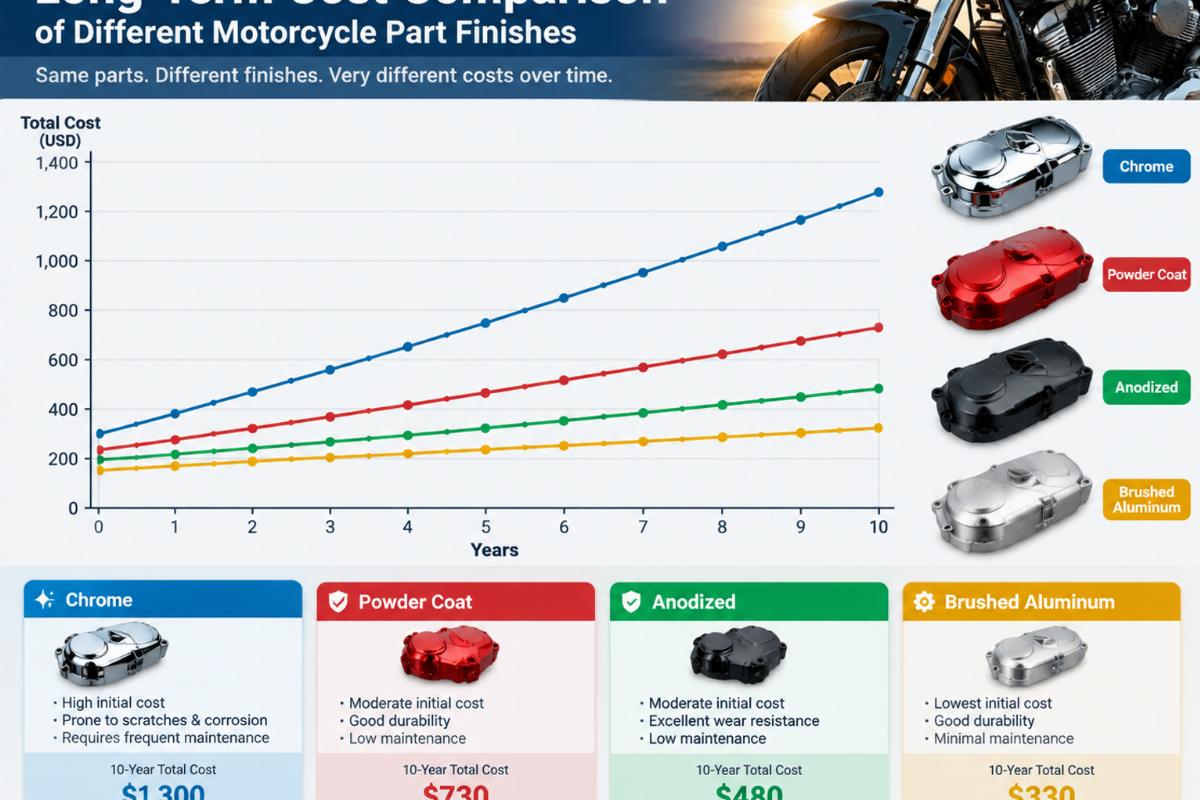
Initial price is misleading; consider maintenance frequency and replacement risk over the part’s lifecycle.
Many buyers focus solely on the unit cost of the part. Raw steel is typically the cheapest option upfront. However, the true cost includes potential replacements, labor for cleaning rust, and customer dissatisfaction. A raw part that rusts within months may need to be replaced, doubling the cost. In contrast, a high-quality powder-coated or chrome-plated part may last for years with minimal care.
Black powder coat is popular for its modern look and durability. However, it is not indestructible. In high-vibration areas or where tools may slip, the coating can chip. Once chipped, the exposed substrate is vulnerable to corrosion. Repairing a chipped powder coat is difficult and often results in an uneven appearance. Chrome, while more expensive initially, is easier to polish and maintain if minor scratches occur. [NEED_CITE: lifecycle cost analysis of automotive finishes]
For daily riders, the maintenance burden of raw metal is often too high. They prefer finishes that withstand weather and road grime with little effort. Custom builders, however, may prefer raw finishes for the ability to patina or customize the look themselves. Knowing your customer segment is key.
When comparing powder coat vs chrome for V-twin parts, consider the usage pattern. Show bikes may benefit from the deep shine of chrome, while daily commuters may prefer the ruggedness of powder coat. The best value is not the cheapest part but the one that meets the user’s needs without causing future headaches.
How to Verify Finish Quality Before Bulk Ordering?
Request inspection records, cross-reference finish specs, and validate batch consistency through sample testing.
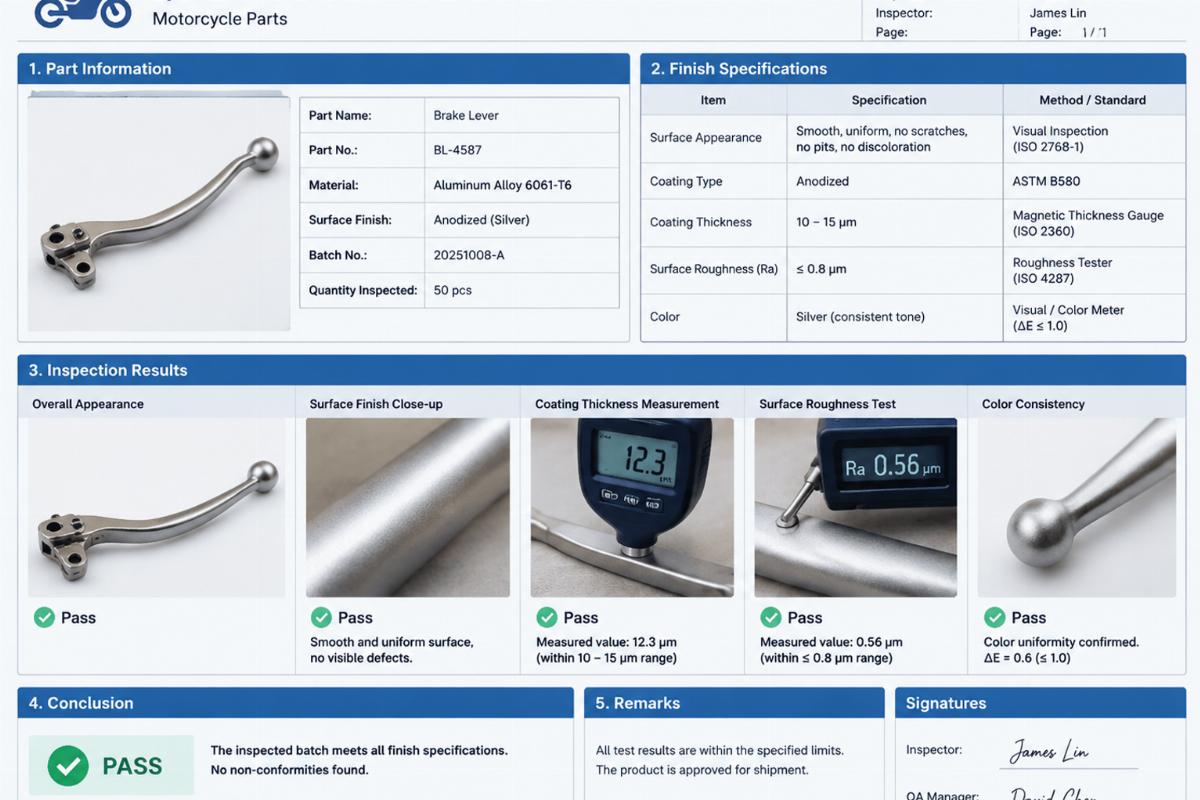
Quality consistency is a major challenge in aftermarket parts sourcing. A sample may look perfect, but the bulk order might have variations in color, thickness, or adhesion. To mitigate this risk, buyers should demand detailed documentation. Fitment sheets should include finish specifications, such as the type of chrome plating or the micron thickness of the powder coat.
Inspection records provide evidence that the manufacturer has tested the parts. Look for data on adhesion testing for powder coats, especially on cast versus machined surfaces. Cast surfaces can be porous, making adhesion more difficult. A reputable supplier will perform tests to ensure the coating does not peel under stress. [NEED_CITE: adhesion testing standards for powder coatings on cast iron]
Batch consistency is also critical. A slight variation in chrome brightness or powder coat texture between shipments can confuse customers and lead to returns. Requesting photos of actual production batches before shipment can help verify consistency. Additionally, checking for superseded part numbers ensures that the finish matches the latest engineering updates.
Our fitment sheets include finish specifications and inspection records to help buyers verify quality before shipment. This transparency reduces uncertainty and builds trust. When sourcing wholesale motorcycle parts coating options, prioritize suppliers who provide this level of detail. It signals a commitment to quality control and technical accuracy.
Conclusion
Choose the finish that matches your customer’s environment and usage habits.
Surface finish is a critical technical specification, not just a visual preference. Chrome offers shine but requires careful sealing; powder coat provides robust protection but adds thickness; raw metal is cost-effective but demands maintenance. By understanding these trade-offs, distributors can reduce returns and improve customer satisfaction. Always verify quality through documentation and samples to ensure consistency in your inventory.