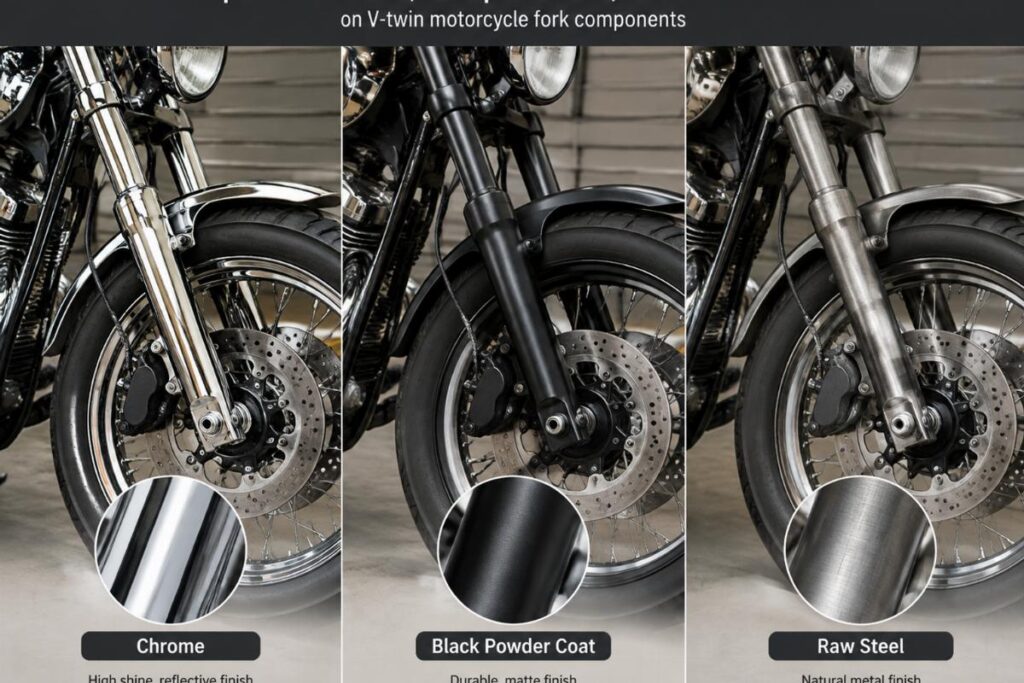

Chrome does not equal fitment.
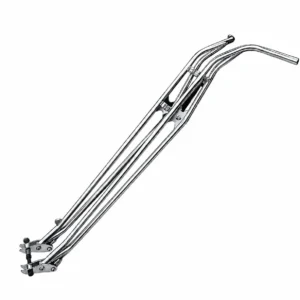
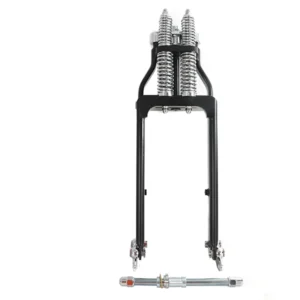
Sourcing a springer front end for Harley Softail and Dyna models requires verifying triple tree spacing and bearing cup tolerances rather than focusing on surface finish. Accurate cross-referencing against model-year specific dimensions prevents steering binding and costly returns.
I still remember the silence on the other end of the line when a distributor in Europe called to reject a container load. The chrome was mirror-bright, reflecting the warehouse lights perfectly. But when they installed the units on Dyna frames, the steering locked up at full lock. I had spent weeks inspecting the visual appeal, checking for pits in the plating and ensuring the welds were clean. I had completely ignored the machining tolerances of the steering head cups. That shipment sat in a port for months while we negotiated a partial refund. It was a painful lesson that changed how I view every single part that leaves our facility. A shiny exterior means nothing if the internal geometry fights the frame. This is why I now treat dimensional data as the primary quality metric, not an afterthought.
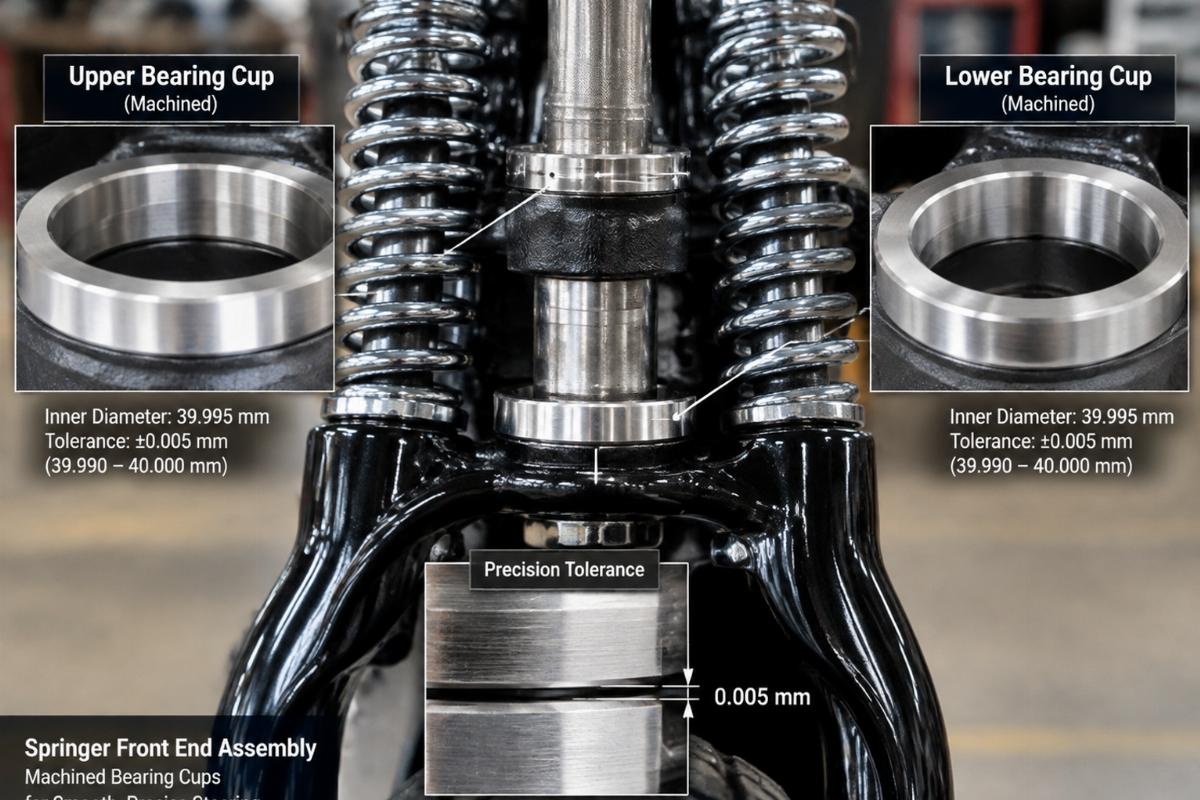
For purchasing managers building a catalogue, the temptation is to source based on photos and price. However, the aftermarket landscape for V-twin motorcycles is fragmented by subtle engineering changes. A springer front end buying guide Harley Softail Dyna must prioritize mechanical compatibility over aesthetic appeal. If the neck angle or tree spacing is off by even a fraction, the bike becomes unrideable. The following sections break down the specific technical checkpoints that separate a reliable supplier from a source of constant returns.
Why Do Springer Front Ends Fail Fitment Checks?
Steering binding is almost always a result of ignored bearing cup tolerances, not surface finish defects.
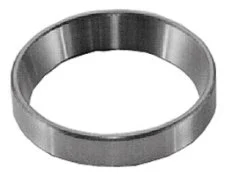
Many buyers assume that if a fork looks good, it will fit. This is a dangerous assumption. The critical interface is where the steering stem meets the frame neck. On older Big Twins and modern Softails, the head cup design varies significantly. Some use tapered roller bearings, while others use ball bearings with different race angles. If the supplier machines the cups to a generic standard rather than the specific factory specification for that model year, the bearings will either be too loose causing wobble or too tight causing binding.
[NEED_CITE: standard bearing tolerance classes for motorcycle steering heads]
In one instance, a customer ordered a batch of springers for a mix of late-model Softails and early Shovelheads. They assumed the parts were interchangeable because the outer diameter looked identical. However, the internal race angle differed. The result was a high rate of assembly failure in their shop. Mechanics had to press out the cups and replace them with local stock, adding labor costs that erased their margin. To avoid this, you must request inspection records that specifically mention head cup dimensions. A reliable springer front end buying guide Harley Softail Dyna will emphasize that the visible chrome is irrelevant if the hidden machining is incorrect.
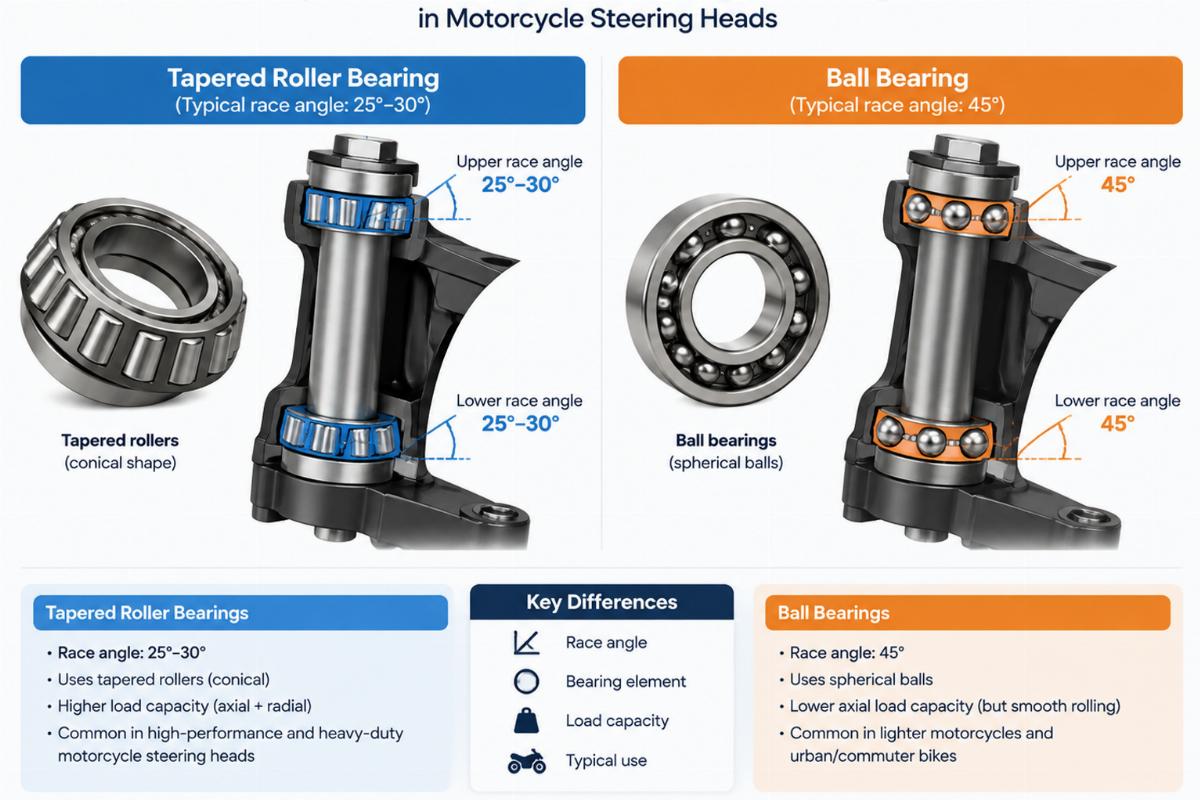
The solution is to demand fitment sheets that specify the bearing type for each model year range. Do not accept a generic “fits all Big Twins” claim. That statement is technically impossible given the evolution of Harley-Davidson frames from 1984 to the present. Verify that the supplier checks the cup depth and angle against factory service manuals. This step takes minutes during production but saves weeks of headache during distribution.
Which Dimensions Determine Compatibility for Softail and Dyna?
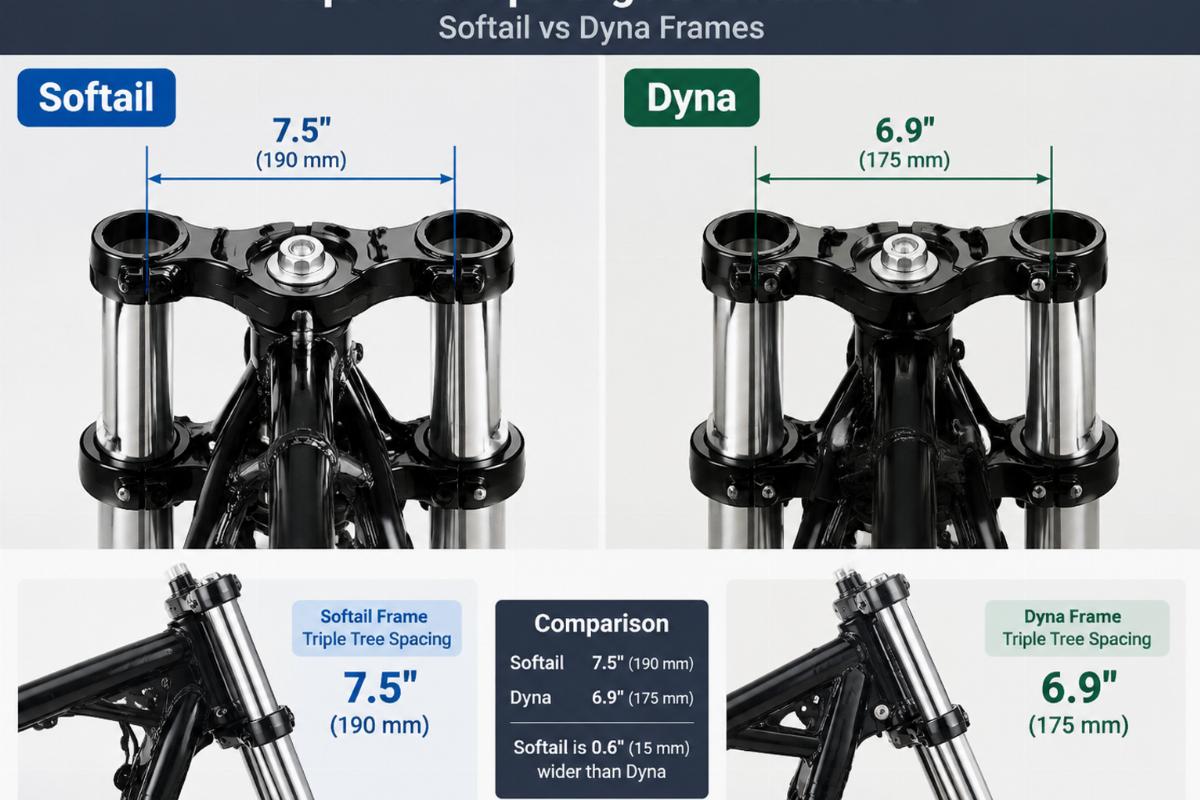
Triple tree spacing and neck angle differ by model year and must be matched precisely to ensure proper rake and trail.
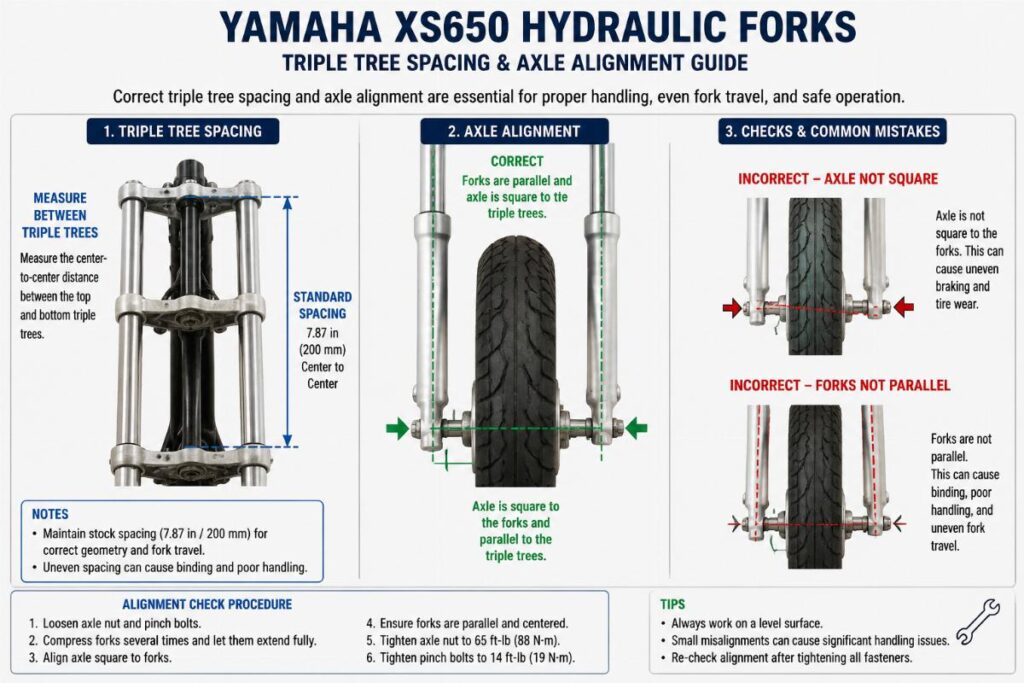
The geometry of the front end dictates how the motorcycle handles. When you extend the front end with a springer setup, you alter the rake and trail. If these values are not calculated correctly for the specific frame, the bike may feel unstable at high speeds or difficult to turn at low speeds. More importantly, the physical dimensions of the triple trees must match the frame’s steering head.
| Dimension Factor | Softail (Late Model) | Dyna (Standard) | Pre-1984 Big Twin |
|---|---|---|---|
| Triple Tree Spacing | Specific narrow width | Standard wide width | Variable by year |
| Neck Angle | Steeper rake | Flatter rake | Varied significantly |
| Bearing Type | Tapered Roller | Ball/Tapered Mix | Often Ball Bearings |
| Axle Size | Standard Harley | Standard Harley | May vary by era |
[NEED_CITE: factory service manual dimensional specifications for Harley-Davidson frames]
A common mistake is ordering a springer kit designed for a Softail and attempting to install it on a Dyna without verifying the tree spacing. The Dyna frame has a different steering head geometry compared to the Softail. While both are Big Twins, they are not interchangeable in terms of front end mounting points. A springer front end buying guide Harley Softail Dyna must highlight these differences clearly.
I once reviewed a return case where a distributor sent mixed orders to custom builders. One builder received a Softail-spec springer for a Dyna project. The lower tree did not align with the axle mounts properly, forcing the builder to modify the frame. This voided any warranty and damaged the distributor’s reputation. To prevent this, always cross-reference the part number with the specific model year and family. Ask the supplier for a dimension chart that lists the tree spacing for each application. If they cannot provide this data, they are likely sourcing from a factory that does not perform rigorous fitment checks.
How to Verify Supplier Quality Before Bulk Ordering?
Request inspection records and fitment sheets to confirm dimensional accuracy and finish consistency.
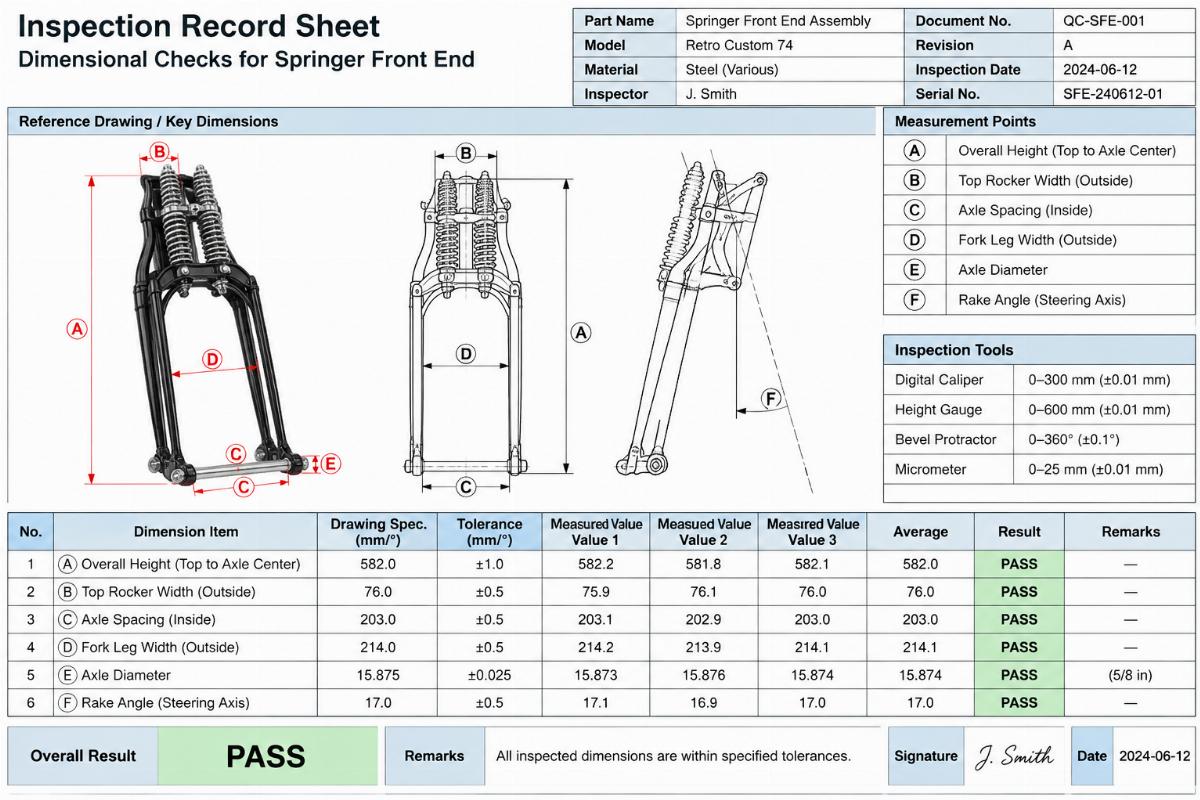
Before placing a large order, it is essential to validate the supplier’s capability. Many factories claim to have quality control, but few can produce detailed inspection records for specific batches. You should start with a sample order. This allows you to physically check the parts and verify the documentation provided.
When evaluating a sample, look beyond the chrome. Measure the critical dimensions yourself or have a local machine shop verify them. Check the tree spacing, the axle hole diameter, and the head cup fitment. Compare these measurements against the factory service manual for the target motorcycle model. If the supplier provides a fitment sheet, ensure it matches your findings. Discrepancies here are a red flag.
[NEED_CITE: industry standards for aftermarket motorcycle part inspection protocols]
Finish consistency is another key factor. Chrome plating can vary between batches due to changes in the chemical bath or polishing techniques. A batch that looks bright white may be followed by one with a bluish tint. While this does not affect fitment, it affects customer satisfaction. Request photos of previous batches to see if the finish remains consistent. A professional springer front end buying guide Harley Softail Dyna will advise asking for packing photos and inspection records before shipment.
In my experience, suppliers who are confident in their machining processes will readily share these documents. Those who hesitate are often hiding inconsistencies. Ask for the HS code and customs support documents as well. This ensures that the supplier is experienced in international trade and understands the documentation required for smooth clearance. Small MOQ options allow you to test new lines without significant financial risk. Use this opportunity to build a relationship based on transparency and technical accuracy.
What Documentation Reduces Return Rates for Distributors?
Complete cross-reference sheets and model-year specific fitment guides prevent catalogue errors.
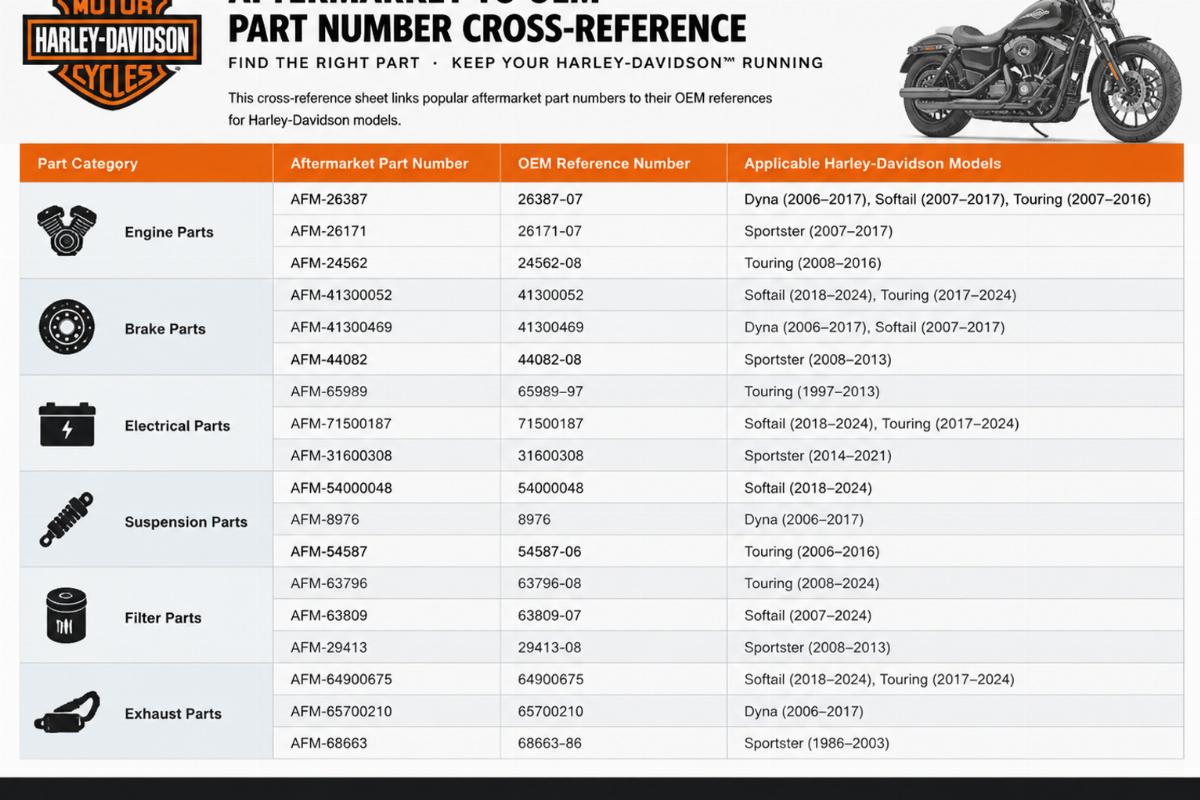
Returns are often caused by confusion in the catalogue. If a part number is listed without clear model year ranges, customers will guess. And when they guess wrong, you deal with the return. To minimize this, your supplier must provide comprehensive documentation. This includes cross-reference sheets that link aftermarket numbers to OEM references, marked for reference only.
A good fitment guide will break down compatibility by model family and year. For example, it will specify that a certain springer fits Softail models from 1986 to 1999 but requires a different kit for 2000 and later. It will also note any exceptions, such as special editions or modified frames. This level of detail helps your sales team answer customer questions accurately and reduces the likelihood of incorrect orders.
[NEED_CITE: best practices for aftermarket parts catalogue management]
I have seen distributors reduce their return rates significantly by simply updating their catalogue with detailed fitment data. Instead of listing a part as “fits Harley Big Twin,” they list “fits Harley Softail 1986-1999, excludes FXSTS.” This clarity manages customer expectations and ensures that the right part goes to the right bike. A springer front end buying guide Harley Softail Dyna should emphasize the importance of this data in your procurement process.
Additionally, ask for superseded part numbers. Manufacturers often update designs, and old numbers may no longer be valid. Having the current cross-reference ensures that you are stocking the correct version. This is particularly important for older models where parts may have been updated multiple times over the years. Ensure that your supplier tracks these changes and updates their documentation accordingly.
Conclusion
Fitment accuracy depends on hidden machining tolerances, not visible chrome quality.
Sourcing springer front ends for Harley Softail and Dyna models requires a disciplined approach to verification. By focusing on triple tree spacing, bearing cup tolerances, and model-specific dimensions, you can avoid the common pitfalls that lead to returns. Demand detailed inspection records and fitment sheets from your supplier to ensure consistency. Use sample orders to validate these claims before committing to bulk purchases. A reliable springer front end buying guide Harley Softail Dyna serves as your roadmap to building a trustworthy catalogue. Prioritize technical data over aesthetic appeal, and your customers will reward you with repeat business and fewer complaints.