
Aftermarket vs OEM Harley Handlebars: What Changes for Wholesale
Most fitment failures come from ignoring the control clamp area, not the outer diameter.
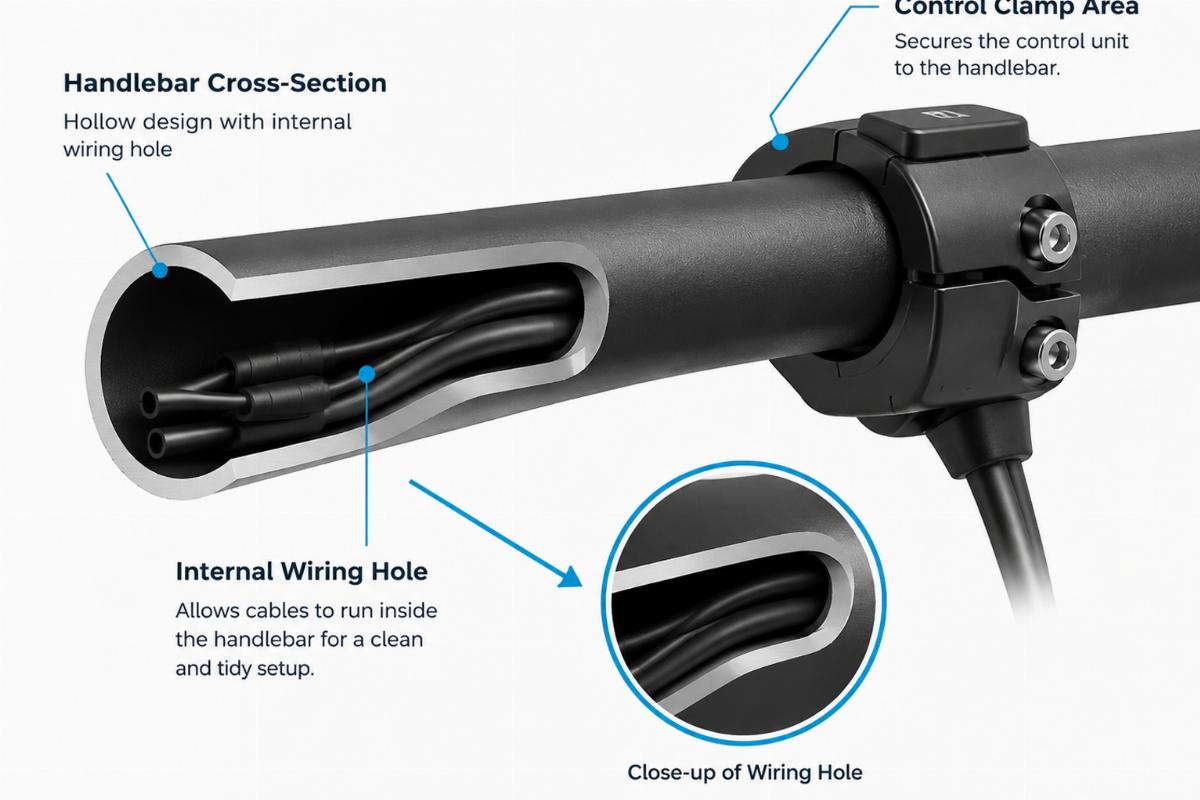
When sourcing aftermarket vs OEM Harley handlebars, the critical difference lies in the internal wiring hole fitment and the length of the control clamp area. Outer diameter alone does not guarantee compatibility. Buyers must verify these hidden dimensions against specific model years to prevent installation failures in repair shops. [NEED_CITE: common fitment failure points in motorcycle aftermarket parts]
The assumption that all bars fitting a “Harley” are interchangeable is a costly error. In my early days working in a machining shop in Ningbo, I saw batches of handlebars rejected because the clamp area was slightly shorter than the original specification. This minor variance prevented the switch housing from seating correctly. Later, when moving into international trade, I witnessed a shipment to Los Angeles face potential rejection because the internal routing blocked throttle cables on late-model twins. These experiences highlight that accurate sourcing requires looking beyond basic geometry.
Why Do Aftermarket Handlebars Fail to Fit?
The primary reason for fitment issues is the focus on visible dimensions while neglecting structural nuances. Many purchasers check the rise, width, and pullback but overlook the control clamp area tolerance. This section of the bar, where the switches and levers mount, must match the original equipment specifications precisely. If the length is insufficient, the controls will not secure properly, leading to safety hazards and customer returns.
Another frequent issue involves the internal wiring hole fitment. Modern motorcycles have complex wiring harnesses that require specific internal diameters and smooth pathways. Aftermarket manufacturers sometimes use different bending radii or internal tooling that creates blockages. This is particularly problematic for models with integrated electronics. A bar that looks identical from the outside may have an internal obstruction that prevents cable passage. [NEED_CITE: importance of internal diameter consistency in handlebar manufacturing]
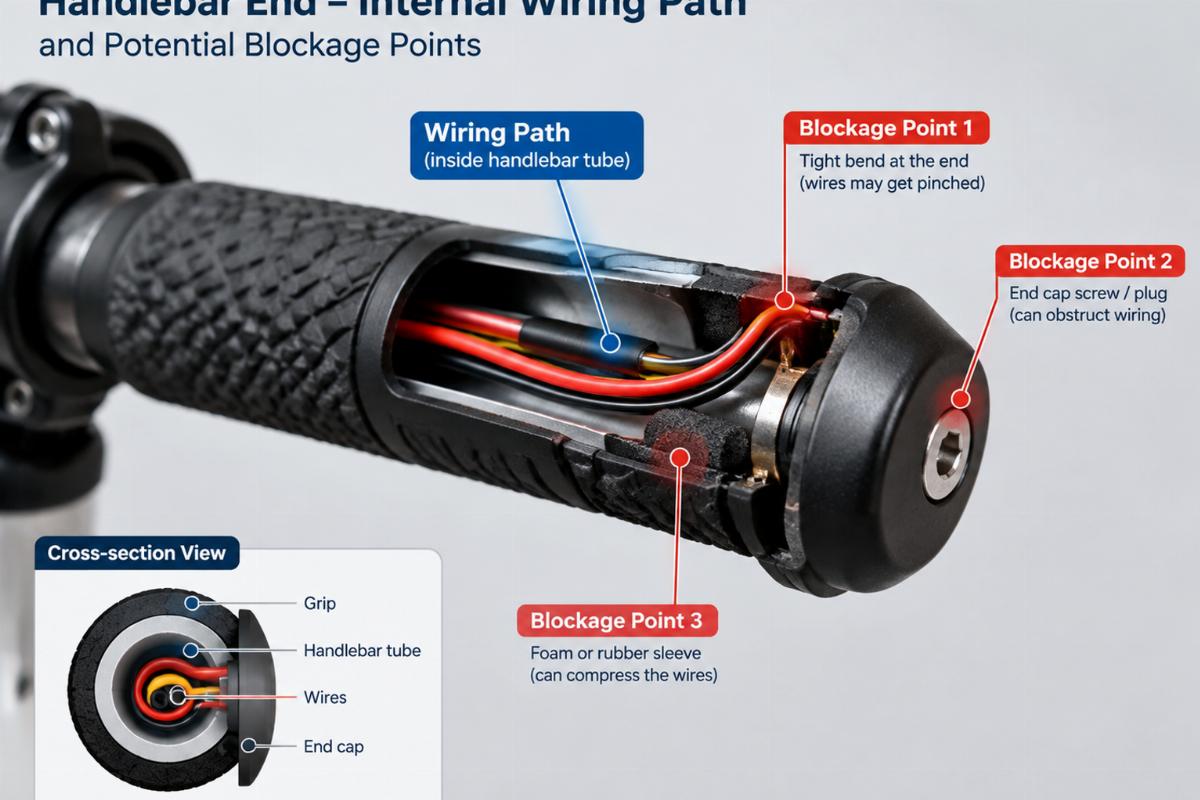
Understanding these hidden variables is essential for anyone dealing with aftermarket vs OEM Harley handlebars. The visual similarity can be deceptive. Without verifying the internal and clamping dimensions, buyers risk stocking inventory that cannot be installed. This leads to increased return rates and damaged relationships with downstream repair shops. The solution is to request detailed dimension sheets that include these non-visible metrics before placing bulk orders.
OEM vs. Aftermarket: Key Dimensional Differences
A direct comparison reveals where deviations typically occur. While the outer diameter is often standardized, other parameters vary significantly between original equipment and aftermarket production. The table below outlines the key areas where discrepancies arise, helping buyers identify potential risks during the sourcing process.
| Dimension | OEM Standard | Typical Aftermarket Variance | Risk Level |
|---|---|---|---|
| Control Clamp Area Length | Strictly defined per model year | Often shorter or inconsistent | High |
| Internal Wiring Hole Diameter | Optimized for factory harnesses | May be narrower or irregular | Medium |
| Pullback Angle | Precise to factory service manual | Can deviate due to bending tooling | Medium |
| Wall Thickness | Uniform and verified | May vary by batch or manufacturer | Low |
[NEED_CITE: factory service manual specifications for handlebar dimensions]
The control clamp area is the most critical factor. In one instance, a batch of bars was produced with a clamp area that was two millimeters shorter than required. This seemed negligible, but it meant the switch housings could not be bolted down securely. The entire order had to be reworked. This highlights why measuring clamp length variance is a mandatory step in quality control.
Internal wiring hole fitment is another area of concern. Custom bars often feature non-standard internal routing. On late-model twins, this can block throttle cables or electrical connectors. Checking the internal diameter consistency ensures that the existing harness can pass through without modification. This is especially important for distributors who supply to independent repair shops that lack the resources to modify wiring paths.
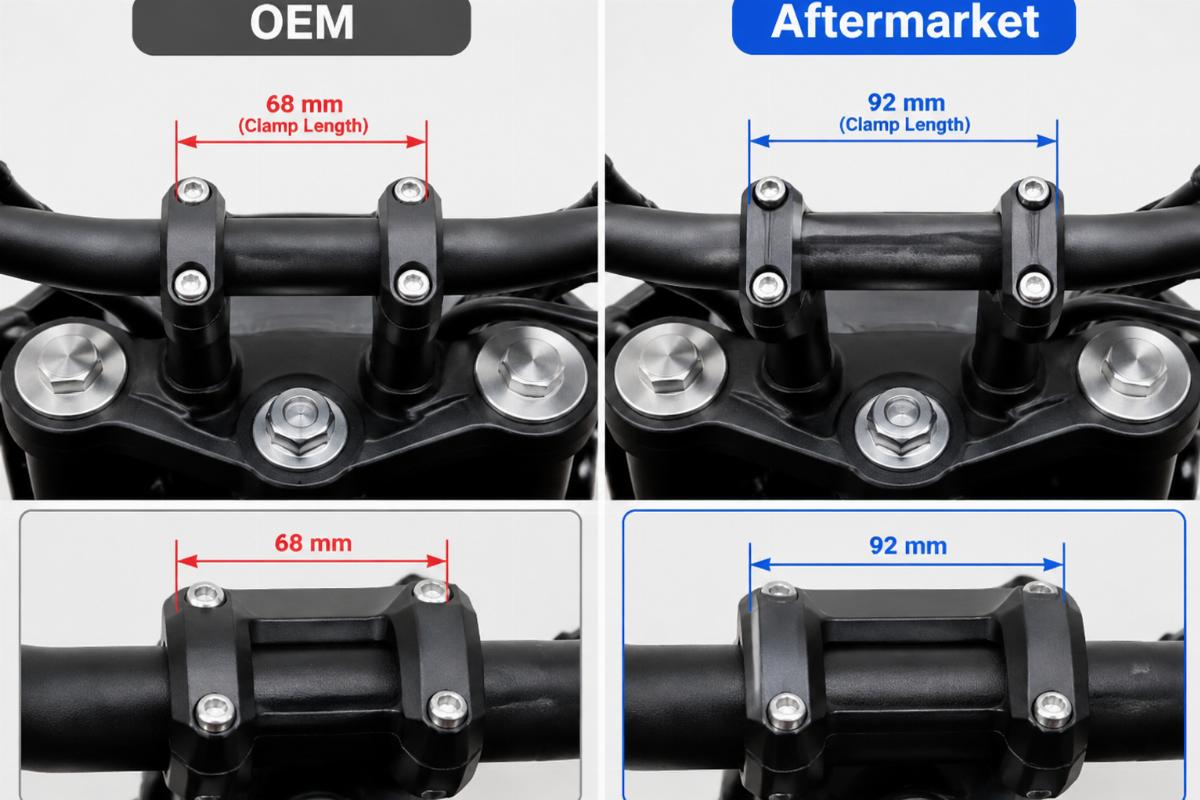
When evaluating aftermarket vs OEM Harley handlebars, buyers should not rely solely on part numbers. Cross-referencing is useful, but physical verification of these key dimensions is necessary. Requesting samples allows for direct measurement and testing. This proactive approach minimizes the risk of receiving incompatible stock. It also demonstrates to suppliers that the buyer understands the technical requirements, encouraging higher quality control on their end.
How to Verify Fitment Before Bulk Ordering
Verifying fitment requires a systematic approach that goes beyond catalog descriptions. The first step is to request detailed dimension sheets from the supplier. These documents should include measurements for the control clamp area, internal wiring hole diameter, and pullback angles. Without this data, it is impossible to assess compatibility accurately. [NEED_CITE: best practices for B2B motorcycle parts procurement]
Next, obtain samples for physical inspection. Use calipers to measure the clamp area length and compare it to the factory service manual specifications for the target model years. Check the internal pathway by attempting to pass a representative cable or wire through the bar. This simple test can reveal blockages that are not visible from the outside. If the sample passes, it serves as a benchmark for the bulk order.
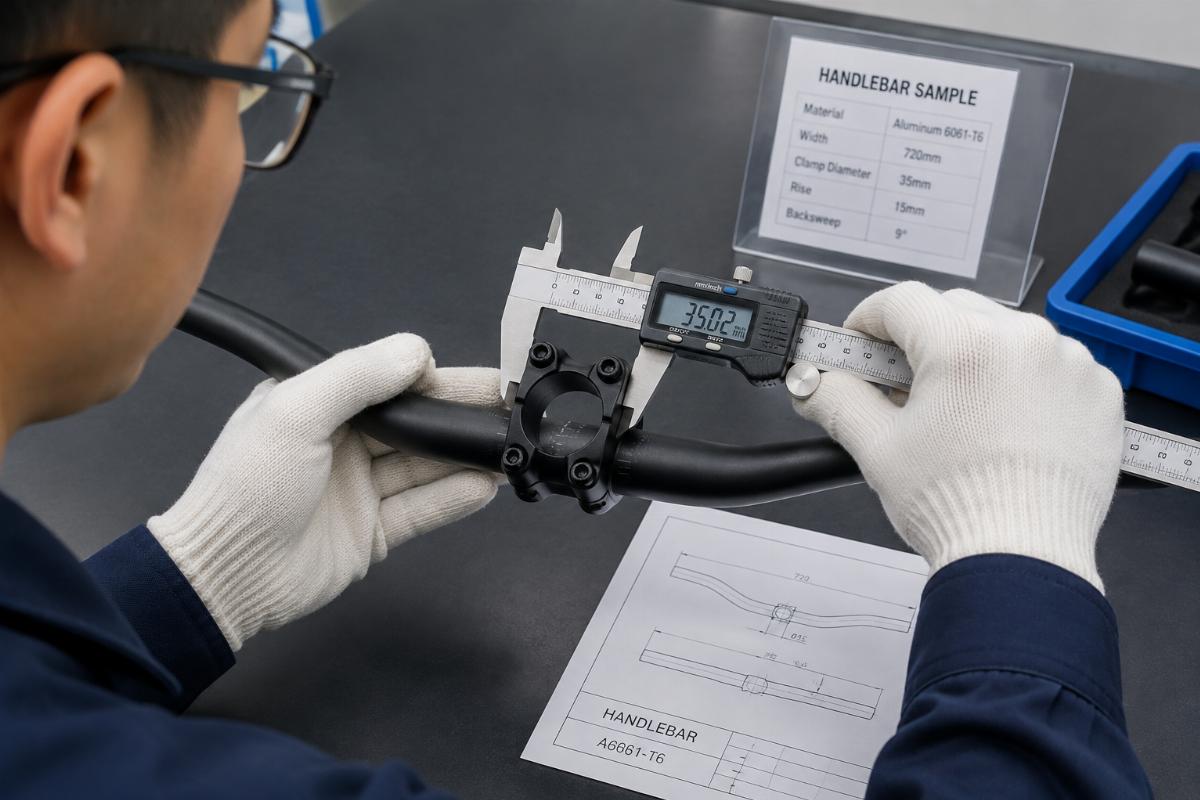
It is also important to verify the pullback against the model-specific geometry. Incorrect pullback affects rider ergonomics and control reach. While this may not prevent installation, it can lead to customer dissatisfaction and returns. Comparing the sample to an original bar or using a template ensures that the angle matches the intended design. This step is crucial for maintaining the integrity of the product line.
Suppliers who understand these requirements will provide cross-reference documents and fitment sheets. These resources help identify which model years are compatible with specific bar designs. They also highlight any known deviations from OEM standards. Using these tools allows buyers to make informed decisions and avoid stocking items that do not fit. This level of diligence is what separates successful distributors from those struggling with high return rates.
Common Installation Pitfalls and Solutions
Even with verified parts, installation challenges can arise. One common pitfall is the control box jam. This occurs when the clamp area is too short or the diameter is slightly off. The solution is to ensure that the aftermarket bar matches the OEM clamp length exactly. If a discrepancy is found, it is better to reject the batch than to attempt forced installation, which can damage the components.
Wiring blockage is another frequent issue. Custom bars with tight bends or non-standard internal holes can trap cables. To address this, check the internal diameter consistency before installation. If a blockage is detected, it may be necessary to use specialized tools to clear the path or select a different bar design. Preventing this issue starts with rigorous sample testing and supplier communication. [NEED_CITE: troubleshooting guide for motorcycle handlebar installation]
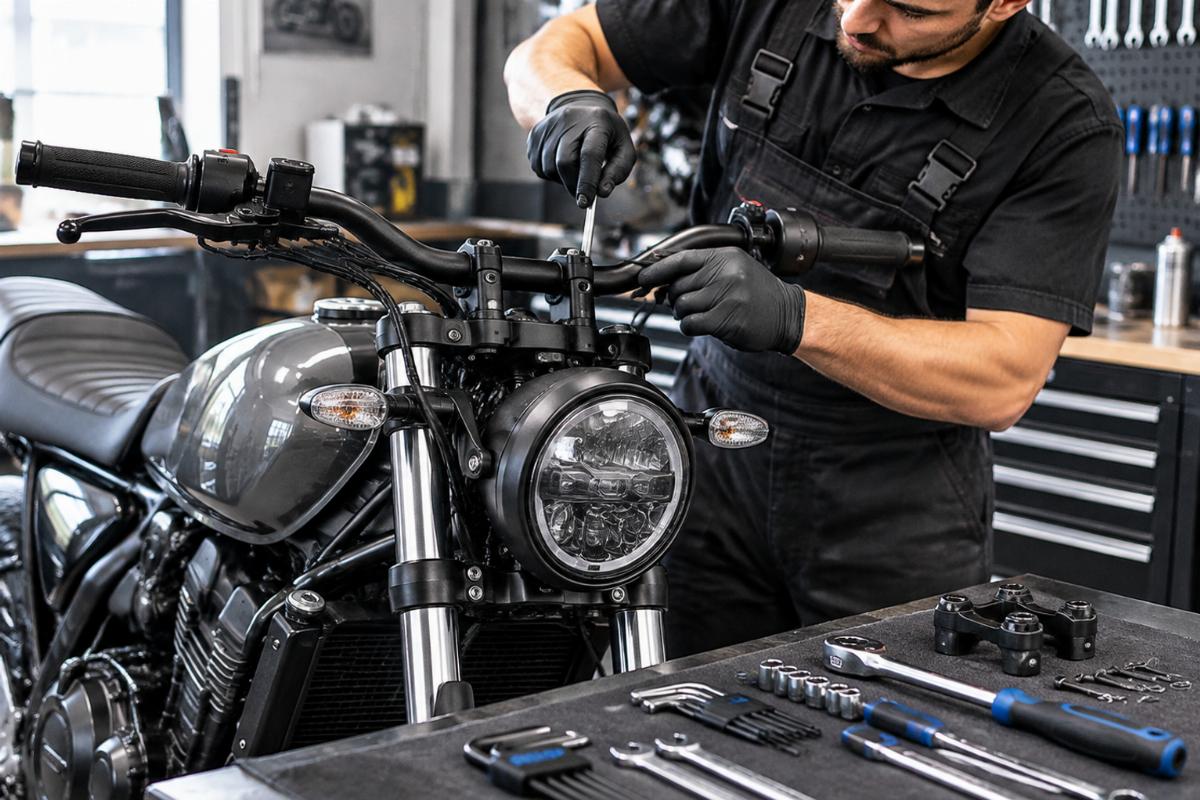
Port delays can also result from mismatched pullback angles. If the bars do not meet ergonomic standards, they may be flagged during quality checks or rejected by end-users. Verifying the pullback against the factory service manual ensures that the bars meet the expected geometry. This prevents logistical issues and maintains the flow of goods.
Addressing these challenges requires a partnership with suppliers who prioritize fitment accuracy. By focusing on the details that matter, such as clamp area and internal routing, buyers can reduce installation failures. This leads to smoother operations and higher customer satisfaction. The goal is to provide parts that install correctly the first time, minimizing waste and effort.
Conclusion
Accurate fitment depends on verifying hidden dimensions, not just outer appearance.
Sourcing aftermarket vs OEM Harley handlebars requires attention to detail beyond basic specifications. By focusing on control clamp area tolerance and internal wiring hole fitment, buyers can avoid common installation failures. This approach ensures that the parts supplied meet the needs of repair shops and end-users, reducing returns and building trust. Prioritizing these technical details is the key to successful wholesale operations in the motorcycle aftermarket industry.