
Aftermarket Stator vs OEM: Output and Durability for Wholesale
Peak amperage readings on a bench test do not predict survival in high-heat environments.
The most reliable aftermarket stator for V-twin motorcycles is not defined by its initial output figures, but by the thermal class of its wire insulation and the consistency of its varnish impregnation. Distributors prioritizing low return rates must verify that the aftermarket stator vs OEM comparison focuses on long-term heat resistance and fitment accuracy rather than just peak charging capacity.
I learned this lesson the hard way during a sweltering summer in Dubai. A batch of budget-friendly replacement parts I sourced for a major distributor failed catastrophically before the season ended. The repair shops were furious, not because the parts looked cheap, but because the coils had burned out under ambient temperatures exceeding 50°C. The enamel coating on the windings had degraded, causing short circuits that even blackened the rotors. That incident shifted my entire approach to sourcing electrical components. I stopped looking at spec sheets that only listed cold-output amps and started demanding details on insulation materials and winding craftsmanship. [NEED_CITE: thermal breakdown mechanisms in motorcycle charging systems]
This shift in focus is critical for anyone building a catalogue of aftermarket stator vs OEM options. The market is flooded with units that promise higher output but lack the structural integrity to sustain it. Below, we break down why durability trumps peak performance and how to verify quality before placing bulk orders.
Why Do Aftermarket Stators Fail Prematurely? Heat Resistance Matters More Than Peak Output
Most buyers assume higher amp output equals better quality, but the true cause of failure is often thermal breakdown.
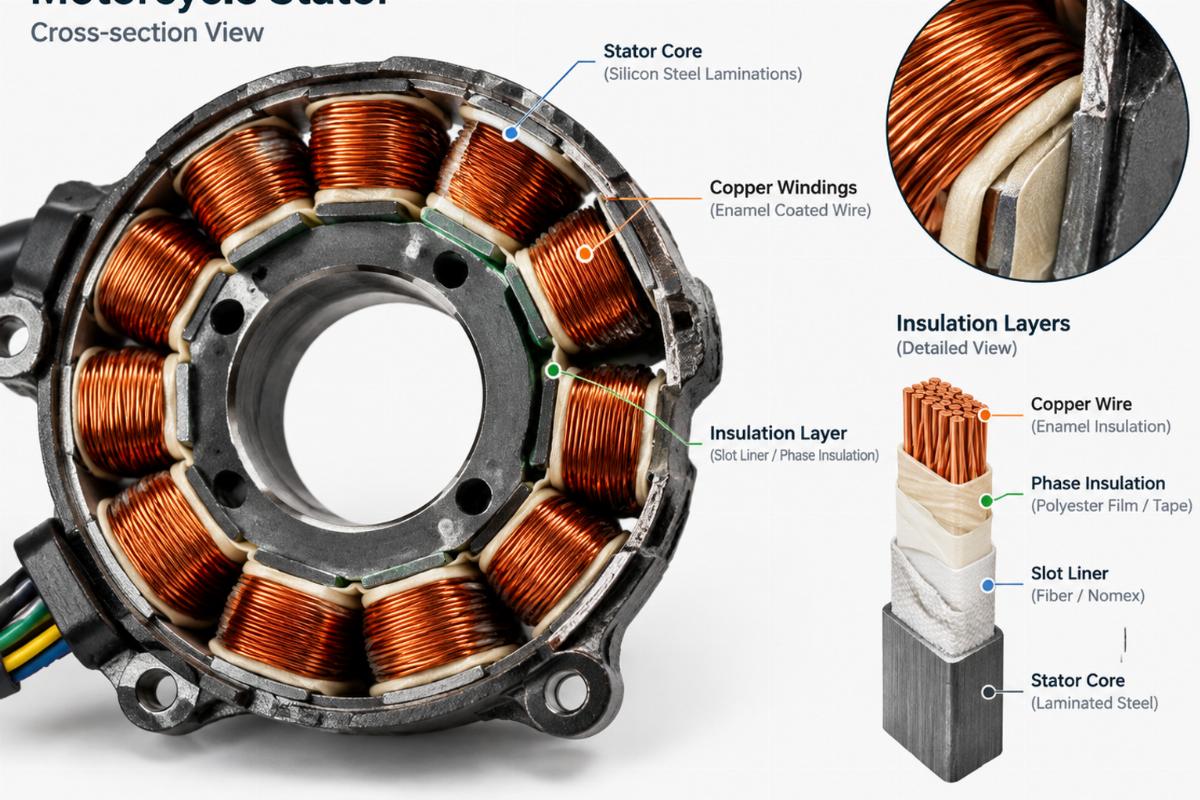
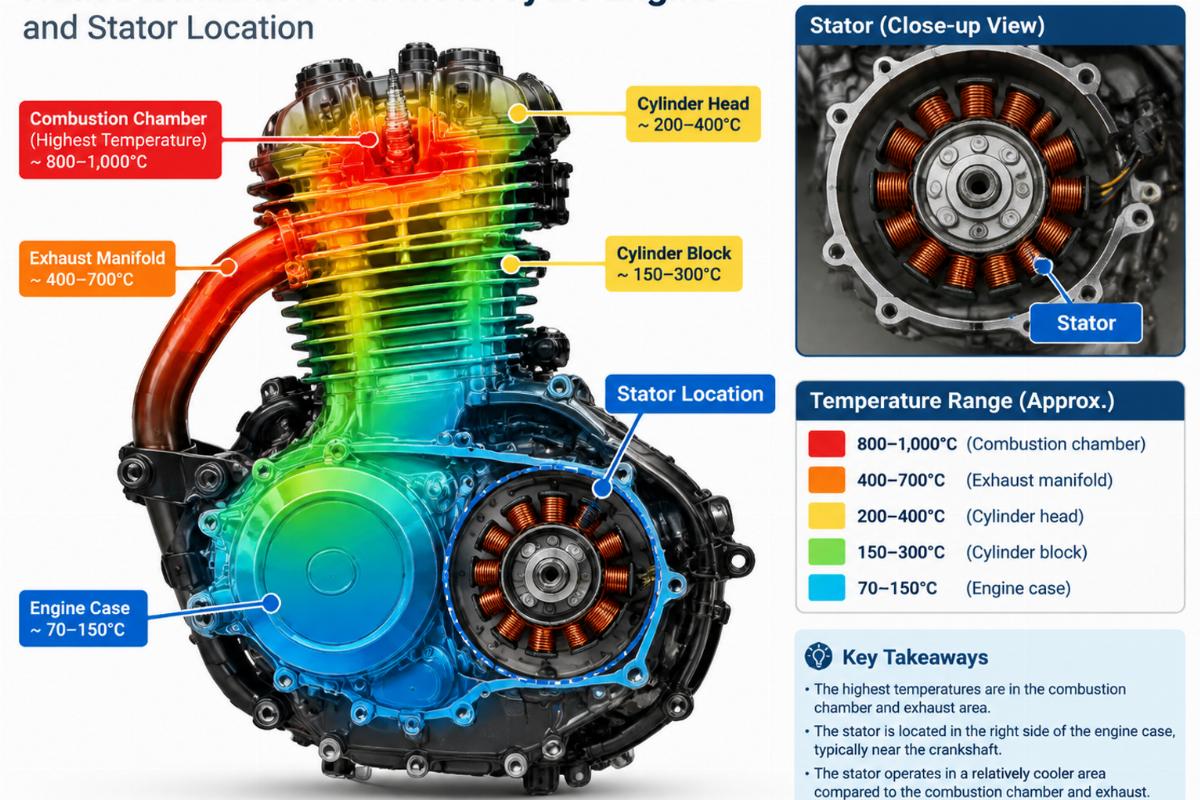
When a motorcycle runs, especially in heavy traffic or hot climates, the charging system generates significant internal heat. If the wire insulation cannot withstand these temperatures, the varnish melts, wires touch, and the stator shorts out. This is a common failure mode that has nothing to do with the brand origin and everything to do with material science. [NEED_CITE: industry standards for electrical insulation classes in automotive applications]
In my experience, many generic suppliers use Class B or F insulation to cut costs. These materials may perform adequately in temperate zones but fail rapidly in high-stress environments. In contrast, high-quality replacements use Class H insulation, which can withstand significantly higher operating temperatures without degrading. This difference is invisible on a standard multimeter test but becomes glaringly obvious after a few months of real-world use.
Consider the case of a distributor supplying parts to custom builders in the Middle East. They noticed a spike in returns during the third quarter compared to the first. The pattern was consistent: stators failing due to overheating. Upon inspection, we found that the cheaper units lacked proper varnish impregnation. The windings were loose, allowing vibration to wear down the insulation over time. Switching to a supplier who prioritized thermal resilience reduced their return rate noticeably.
| Feature | Budget Aftermarket Unit | High-Quality Replacement |
|---|---|---|
| Insulation Class | Often Class B or F | Class H or higher |
| Winding Impregnation | Minimal or none | Full vacuum varnish impregnation |
| Heat Resistance | Vulnerable to thermal breakdown | Robust under sustained high heat |
| Long-Term Reliability | Uncontrolled | Consistent across batches |
This table highlights why a simple aftermarket stator vs OEM comparison based on price is misleading. The cost savings from cheaper insulation are wiped out by the logistics and reputation damage of handling warranty claims. For distributors, reliability is a more valuable metric than marginal gains in output.
How to Verify Stator Quality Before Bulk Ordering? Check Insulation Materials and Winding Consistency
Visual inspection and documentation review are more effective than bench testing for predicting longevity.
Before committing to a large order, you need to verify the manufacturing processes behind the part. Many suppliers will send you a shiny sample that passes all basic electrical tests. However, the real test is in the consistency of the production run. I always request inspection records and details on the winding process. [NEED_CITE: quality control protocols for automotive electrical components]
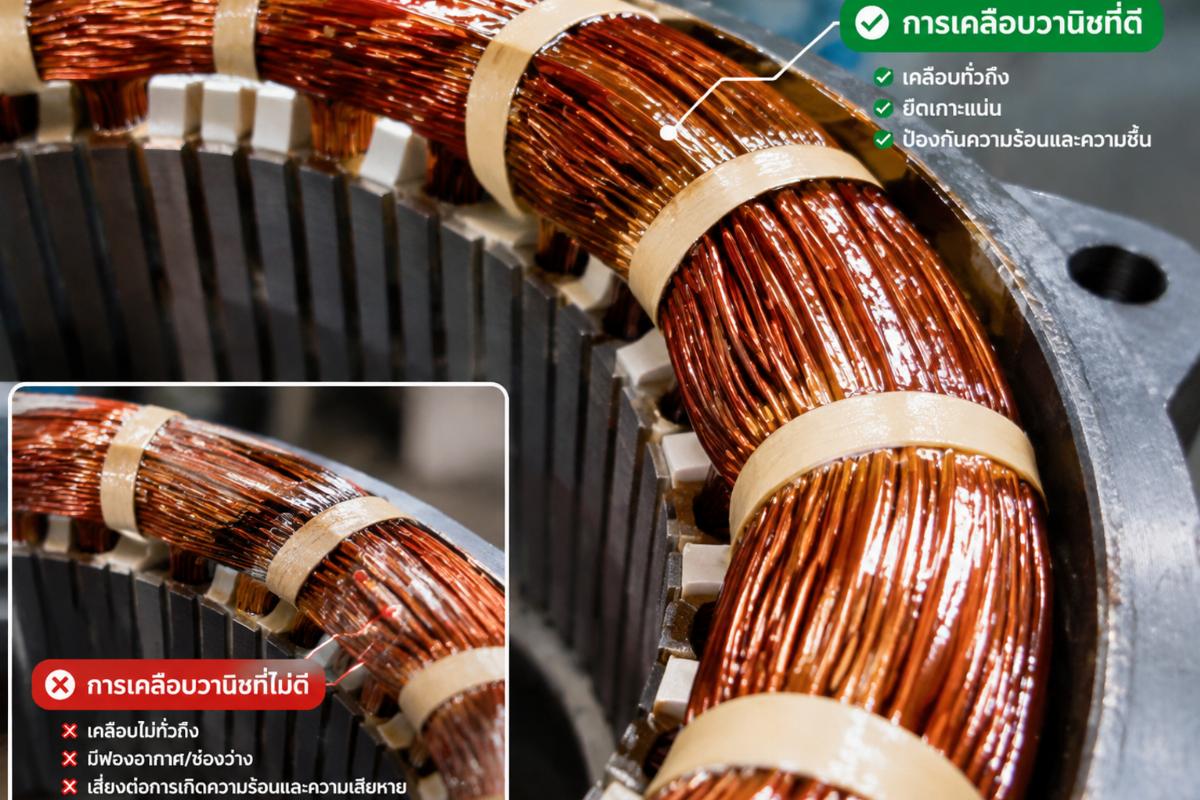
One key indicator is the varnish impregnation process. Properly impregnated windings are rigid and resistant to vibration. If the wires move, they rub against each other and the core, eventually wearing through the insulation. A high-quality manufacturer will use vacuum pressure impregnation to ensure the varnish penetrates deep into the coil bundle. This is a detail that separates professional electrical partners from general parts vendors.
A US-based buyer once shared a story about a batch of stators that arrived with inconsistent chrome finishes on the outer casing. While the finish did not affect performance, it signaled a lack of attention to detail in the factory. Further investigation revealed that the connector pinouts also varied slightly between units. This inconsistency led to fitment issues and increased installation time for mechanics. By implementing stricter pre-shipment inspections, we helped them reduce their batch rejection rate significantly.
When evaluating a new source for an aftermarket stator vs OEM alternative, ask for:
- Specification sheets detailing the insulation class.
- Photos of the winding process and impregnation stage.
- Sample units for destructive testing if possible.
These steps help ensure that the parts you receive match the quality of the samples you approved. It is not enough to trust a brand name; you must trust the process.
What Fitment Details Prevent Charging Issues? Rotor Match and Connector Type Must Align With Model Year
Fitment errors are a leading cause of perceived product failure, often mistaken for quality defects.
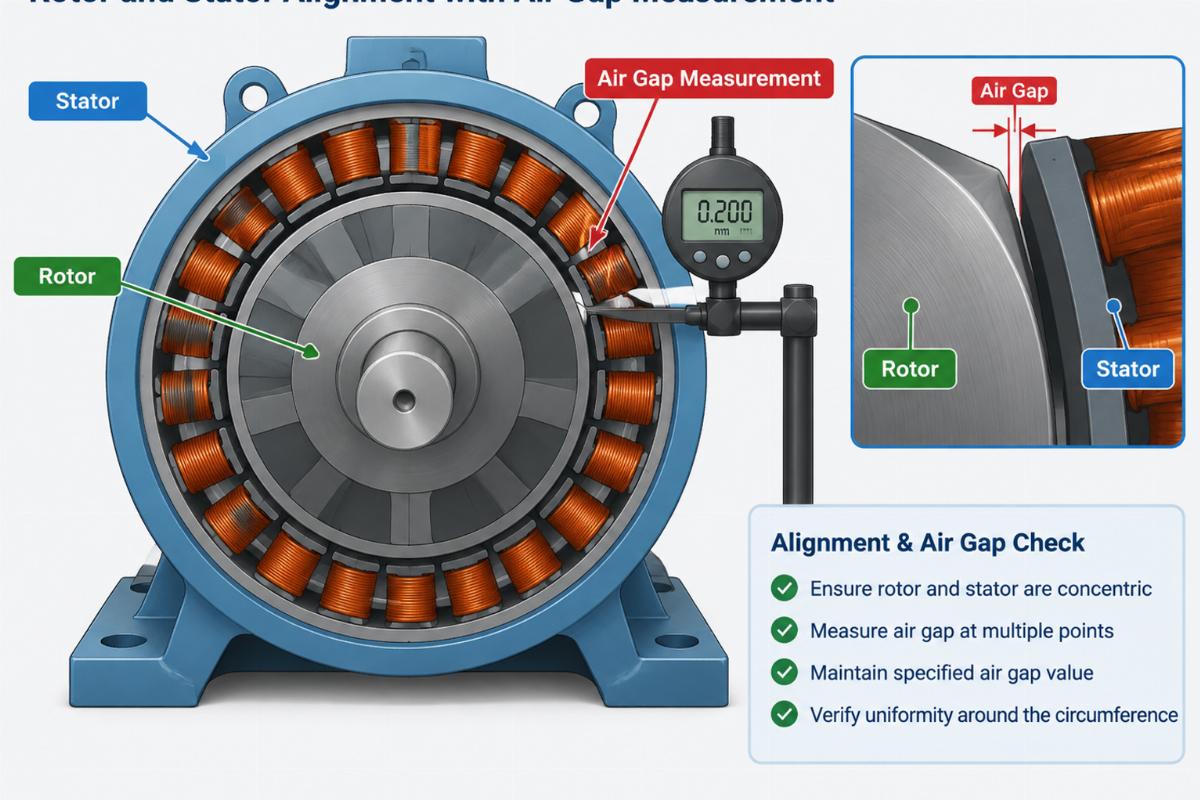
Even a perfectly manufactured stator will fail if it does not match the rotor or the motorcycle’s wiring harness. The air gap between the rotor and the stator is critical. If the gap is too wide, the magnetic field is weak, and charging efficiency drops. If it is too narrow, vibration can cause physical contact, leading to immediate damage. [NEED_CITE: mechanical tolerances for motorcycle alternator assemblies]
For Harley-Davidson models, especially the Evolution and Twin Cam engines, the rotor design has changed over the years. Using a stator designed for an earlier model year on a later bike can result in poor fitment and inadequate charging. Similarly, the connector type must match the regulator rectifier. A mismatch here can cause intermittent charging issues that are difficult to diagnose.
I recall a custom builder working on a Yamaha XS650 bobber. He installed a high-output stator but experienced persistent vibration and charging fluctuations. The issue was not the stator itself but an inconsistency in the rotor-stator air gap due to a slight variation in the mounting points. After implementing a gap check during installation, the problem was resolved. This highlights the importance of precise engineering in replacement parts.
To avoid these issues, always cross-reference the part number with the specific model year and engine type. Do not rely on generic fitment lists. Verify the connector pinout and the physical dimensions of the stator housing. A reliable supplier will provide detailed fitment sheets that account for these variations.
| Fitment Factor | Risk of Ignoring | Verification Method |
|---|---|---|
| Rotor-Stator Air Gap | Vibration, low output | Measure gap against service manual specs |
| Connector Pinout | Intermittent charging | Cross-reference with wiring diagram |
| Mounting Hole Pattern | Physical misalignment | Compare with OEM unit or CAD drawing |
| Model Year Compatibility | Poor fit, functional failure | Check superseded part numbers |
Understanding these details is essential when navigating the aftermarket stator vs OEM landscape. It ensures that the part not only fits but functions correctly within the specific context of the motorcycle’s charging system.
How to Balance Cost and Reliability in Sourcing? Prioritize Suppliers With Electrical-Specific QC Over General Parts Vendors
Specialization in electrical components leads to better quality control and lower long-term costs.
Not all manufacturers are created equal. A factory that produces chrome fenders may not have the expertise to handle delicate electrical windings. Sourcing from a supplier who specializes in electrical components ensures that they understand the nuances of insulation, varnishing, and testing. [NEED_CITE: benefits of specialized manufacturing in automotive supply chains]
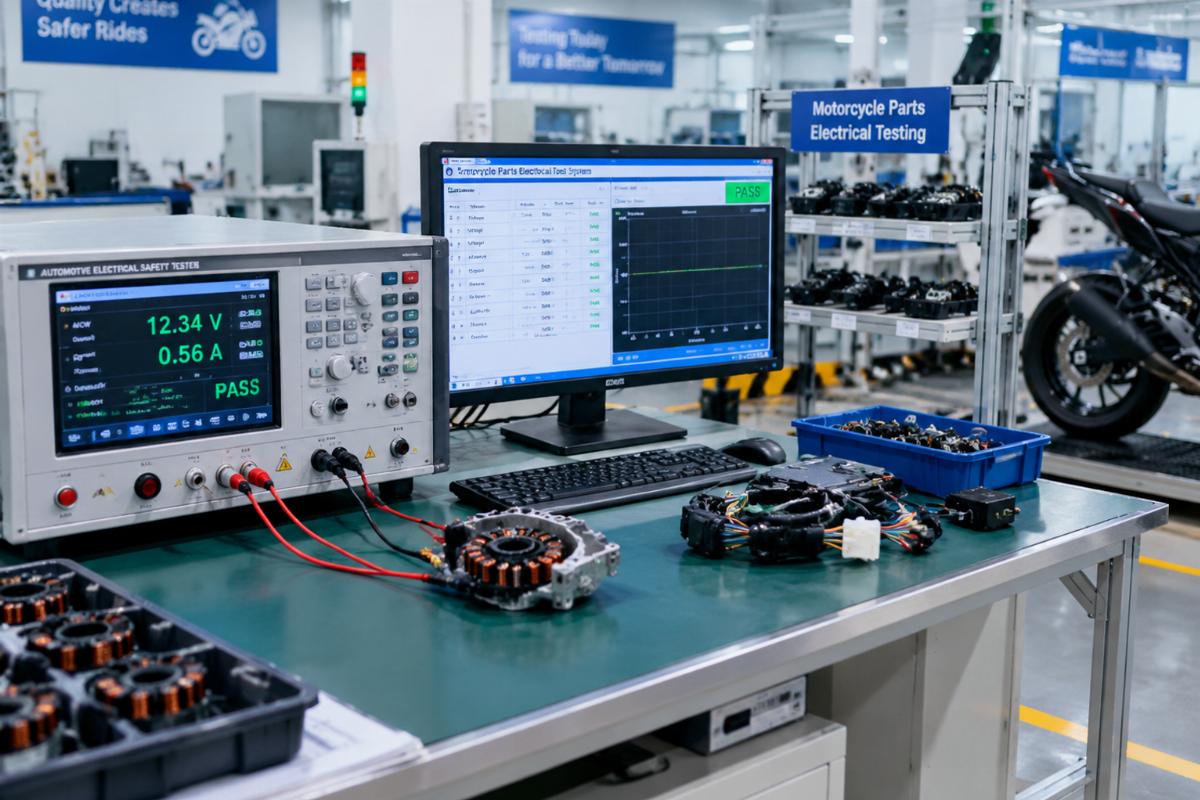
When I source parts now, I look for partners who have dedicated electrical production lines. These facilities are equipped with the necessary tools to test for insulation resistance, winding continuity, and output stability under load. They also have the expertise to select the right materials for different operating environments. This specialization translates into fewer defects and more consistent performance.
For distributors, this means working with suppliers who can provide technical support and detailed documentation. It is not just about buying a part; it is about buying peace of mind. A supplier who offers inspection records, fitment sheets, and cross-reference data is demonstrating a commitment to quality that goes beyond the product itself.
Consider the total cost of ownership. A slightly more expensive stator that lasts longer and requires fewer warranty claims is more profitable than a cheap unit that fails frequently. By prioritizing reliability, you build trust with your customers and reduce the administrative burden of handling returns.
Conclusion
Durability in high-heat environments depends on insulation quality, not just brand origin.
Choosing the right aftermarket stator vs OEM replacement requires looking beyond initial output figures. Focus on insulation class, winding craftsmanship, and precise fitment to ensure long-term reliability. By verifying these factors and working with specialized suppliers, distributors can minimize returns and build a reputation for quality. Send your model and year for a fitment check to ensure compatibility before ordering.