
Wholesale Sportster Bobber Parts: Front End, Bars, Sissy Bar
Aesthetic appeal does not guarantee mechanical compatibility.
Successful Sportster Bobber builds depend on precise fitment of front ends, handlebars, and sissy bars rather than just aesthetics. Verifying key dimensions prevents costly returns and installation failures. Distributors sourcing a Sportster Bobber front end build guide must prioritize technical verification over visual matching to ensure customer satisfaction and minimize reverse logistics.
I still remember the humidity in Chiang Mai when a local custom shop owner waved a stack of invoices at me. He had ordered a batch of springer front ends and sissy bars for a fleet of late-model Sportsters. The parts looked perfect in the photos—chrome gleaming, lines clean. But when his mechanics tried to install them, the silence in the workshop was deafening. The triple tree spacing on the front ends did not match the frame neck width, and the sissy bar base plates missed the fender strut holes by several millimeters. We had to air freight replacements, wiping out the margin for the entire quarter. That incident changed how I approach every inquiry. Now, before any quote is issued, I ask for photos of the mounting points and specific measurements. This diligence is what separates a reliable Sportster Bobber front end build guide from a mere catalog listing. [NEED_CITE: common fitment errors in aftermarket motorcycle parts]
The market is flooded with components that look right but fit wrong. For distributors, the cost of a return is not just shipping; it is the loss of trust from the builder who cannot finish a customer’s bike on time. Understanding the technical nuances of these components is essential for anyone curating a inventory for V-twin enthusiasts.
Why Does Front End Selection Matter for Sportster Bobbers?
Rake and trail determine stability, not just style.
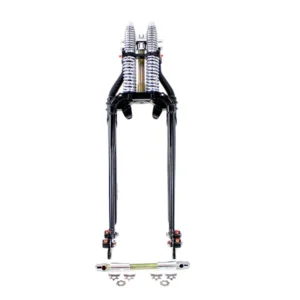
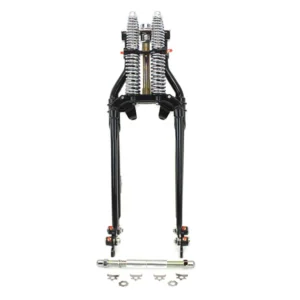
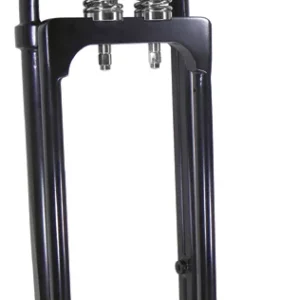
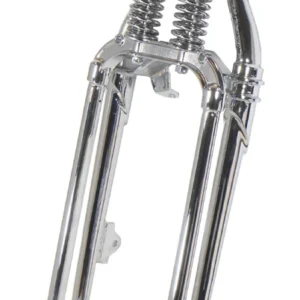
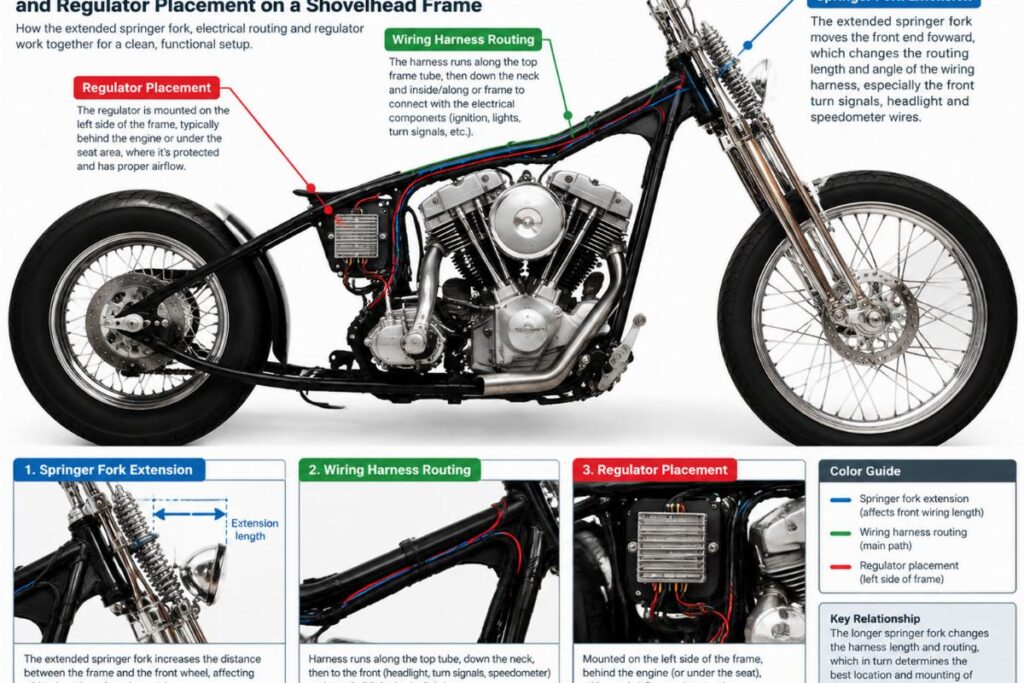
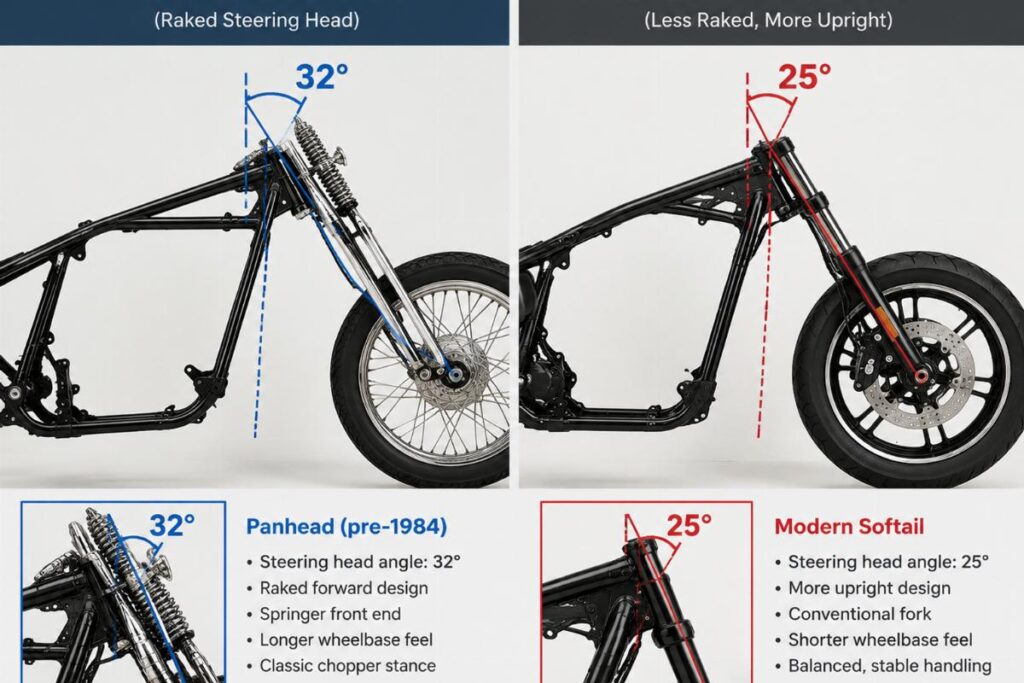
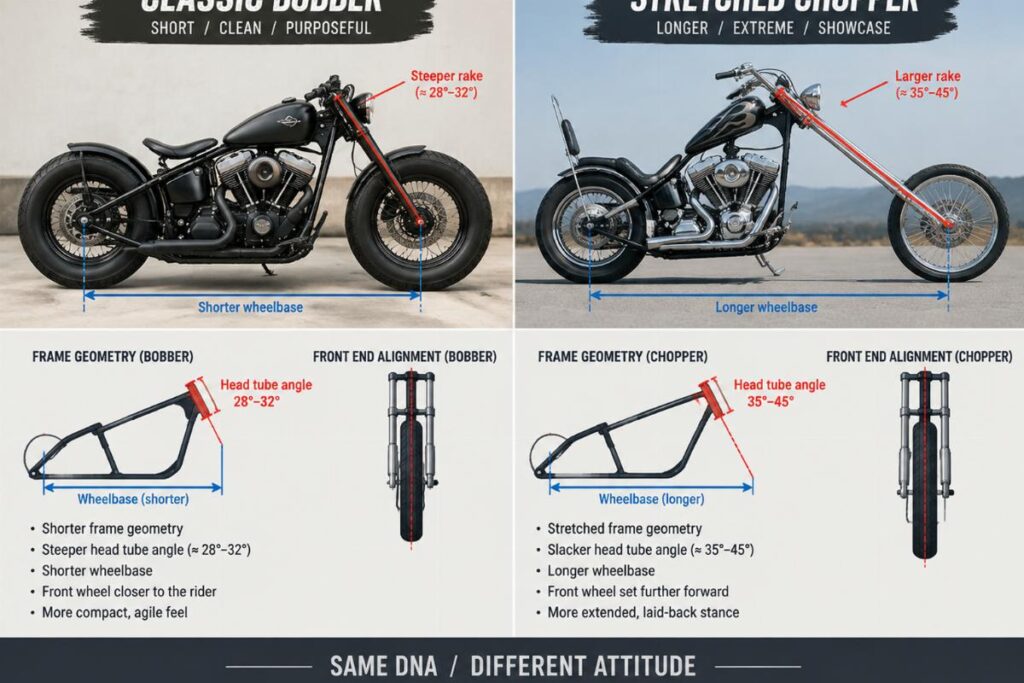
Choosing a front end for a bobber is often treated as a purely stylistic decision, but it fundamentally alters the motorcycle’s geometry. A springer or extended fork changes the rake angle and trail, which affects how the bike handles at low speeds and how the front fender aligns with the wheel. [NEED_CITE: impact of rake and trail on motorcycle handling] If the new front end does not match the frame’s steering head angle, the bike may feel unstable or require significant modification to the frame itself, which is rarely feasible for standard repair shops.
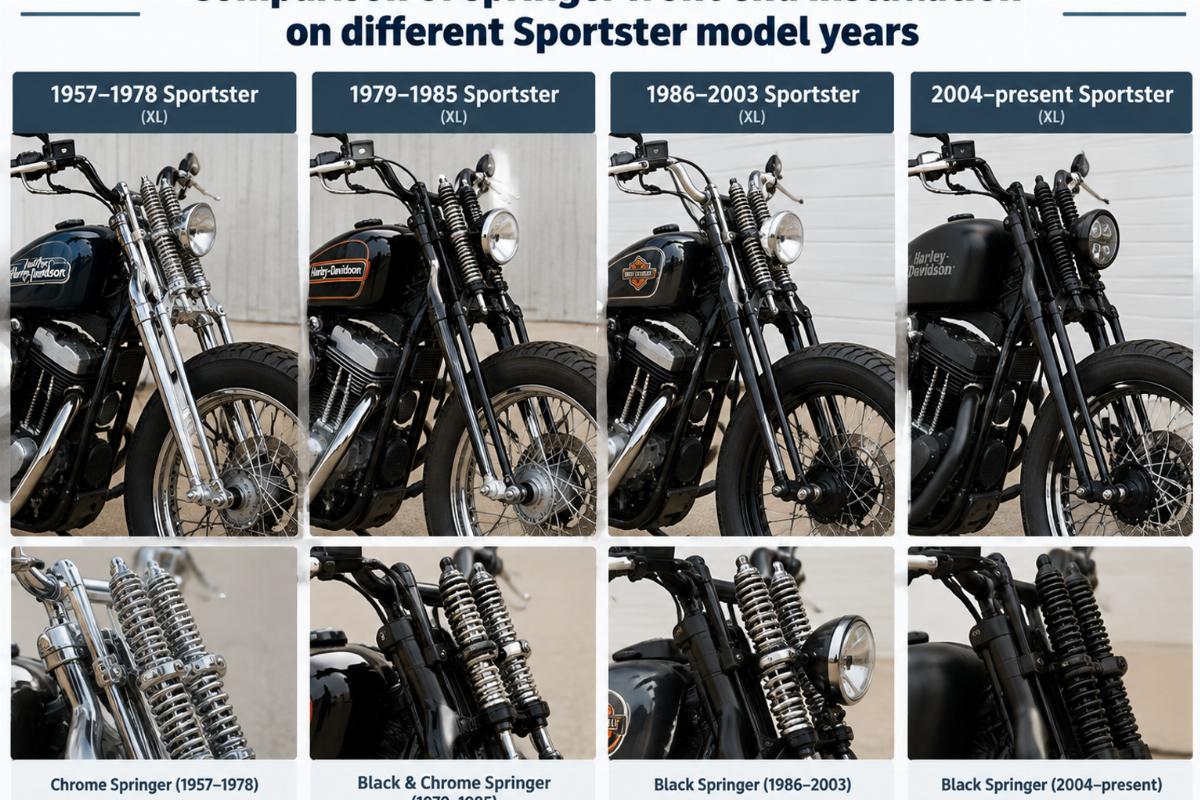
When evaluating options for a Sportster Bobber front end build guide, one must verify the length over stock and the effect on ride height. A common mistake is assuming that all springer assemblies are interchangeable across different Sportster years. In reality, the steering stem length and the position of the lower bearing cup can vary between early Evolution models and later Twin Cam-era frames.
| Feature | Standard Hydraulic Fork | Springer Front End | Extended Fork |
|---|---|---|---|
| Geometry Impact | Maintains factory rake | Increases rake significantly | Increases rake moderately |
| Installation Complexity | Low | High (requires alignment) | Medium (may need longer cables) |
| Fender Alignment | Direct fit | Often requires custom mounts | May require relocation |
| Maintenance | Seal replacement | Bushing and spring inspection | Seal and tube inspection |
A European distributor once sent back a full container of springer forks because they did not account for the difference in axle width between Narrow Glide and Wide Glide setups. The forks were beautiful, but the brake caliper mounts did not line up with the rotors on the bikes their customers were building. This highlights why a detailed Sportster Bobber front end build guide must include specific checks for axle diameter and brake mount spacing. Without these details, even high-quality parts become unsellable inventory.
How to Choose the Right Handlebars for Your Build?
Control clearance dictates usability, not just height.
Handlebars are the most visible customization on a bobber, yet they are frequently returned due to interference with stock controls. The critical dimensions are rise, width, pullback, and the internal wiring hole diameter. Many builders assume that if the bar clamps onto the triple tree, it will work. However, incorrect pullback can cause the grips to hit the speedometer housing or the fuel tank when turned to full lock. [NEED_CITE: handlebar fitment standards for custom motorcycles]
For a comprehensive Sportster Bobber front end build guide, it is vital to measure the control clamp area and check for internal wiring clearance. Stock Sportster controls often have specific mounting angles that do not accommodate extreme pullbacks without modifying the switch housings. If a distributor sells bars that require cutting and rewiring stock harnesses, they will face a high rate of complaints from less experienced builders.
I recall a case where a buyer in Australia ordered a set of high-rise ape hangers. They looked impressive in the product shots, but upon installation, the throttle cable bound up tightly at full turn. The issue was not the bar height but the lack of sufficient pullback to clear the tank console. The builder had to source longer cables and modify the throttle assembly, delaying the project by weeks. This could have been avoided by checking the pullback measurement against the stock control positions.
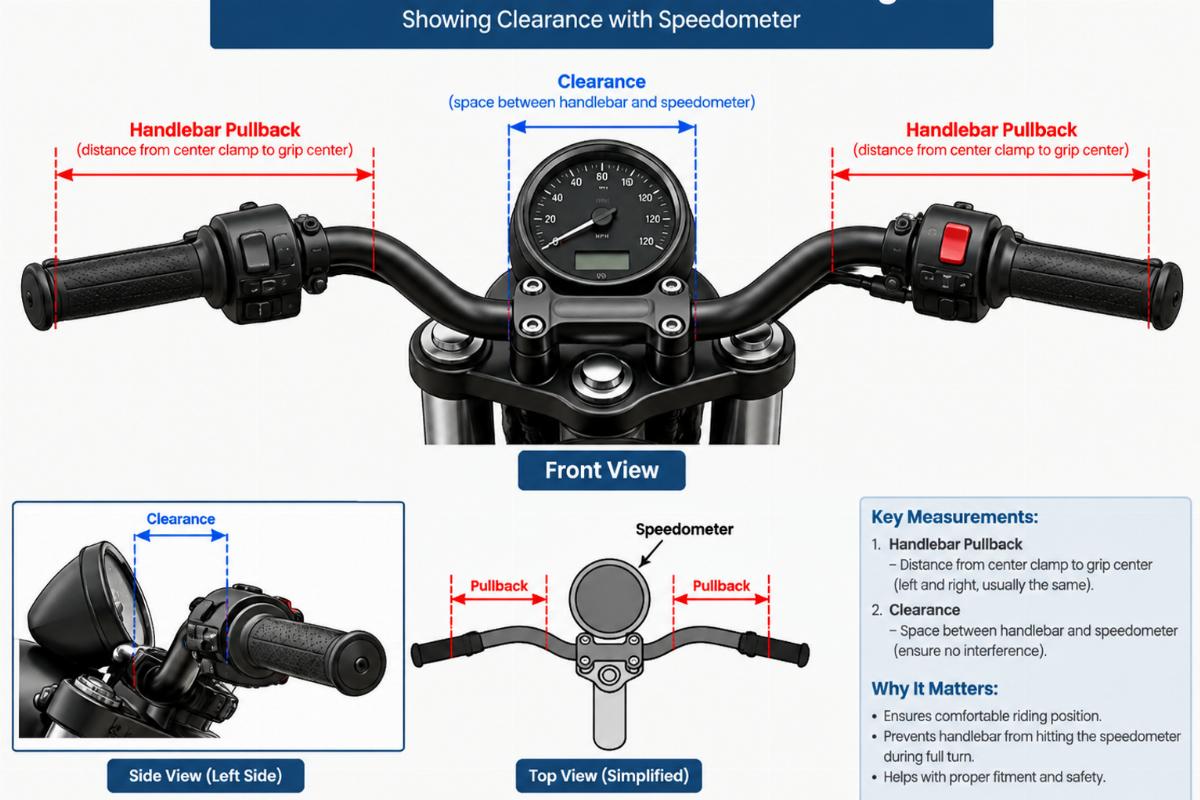
When selecting custom handlebars for Sportster bobber applications, verify the bar diameter matches the stock clamps. Most Sportsters use a standard one-inch diameter, but some aftermarket triples may require different sizes. Additionally, check if the bars have pre-drilled holes for internal wiring. Bars without these holes force builders to run external wires, which detracts from the clean bobber aesthetic and exposes wiring to damage.
What Are the Common Sissy Bar Fitment Issues?
Mounting points are model-year specific, not universal.
There is a widespread misconception that all Sportster sissy bars are universal. In truth, the mounting points differ significantly between pre-2004 and post-2004 frames, and even within those eras, there are variations based on the fender design. A sissy bar that fits a 1995 Sportster will likely not bolt directly to a 2010 model without drilling new holes or using adapter plates. [NEED_CITE: Harley-Davidson Sportster frame evolution history]
For distributors providing a Sportster Bobber front end build guide, it is crucial to highlight the variation in bolt hole patterns. The base plate of the sissy bar must align perfectly with the fender struts. If the holes are off by even a few millimeters, the installer faces the choice of drilling the frame—which voids warranties and compromises structural integrity—or returning the part.
A US buyer once ordered a batch of chrome sissy bars for a mixed lot of Sportsters. Half of them arrived with base plates that did not match the rear fender strut spacing of the late-model bikes. The issue was not a manufacturing defect but a fitment error; the supplier had listed them as fitting “all Sportsters” without specifying the year range. This led to a significant number of returns and negative reviews. To avoid this, always cross-reference the sissy bar base plate hole distance against the specific fender strut mounts of the target model year.
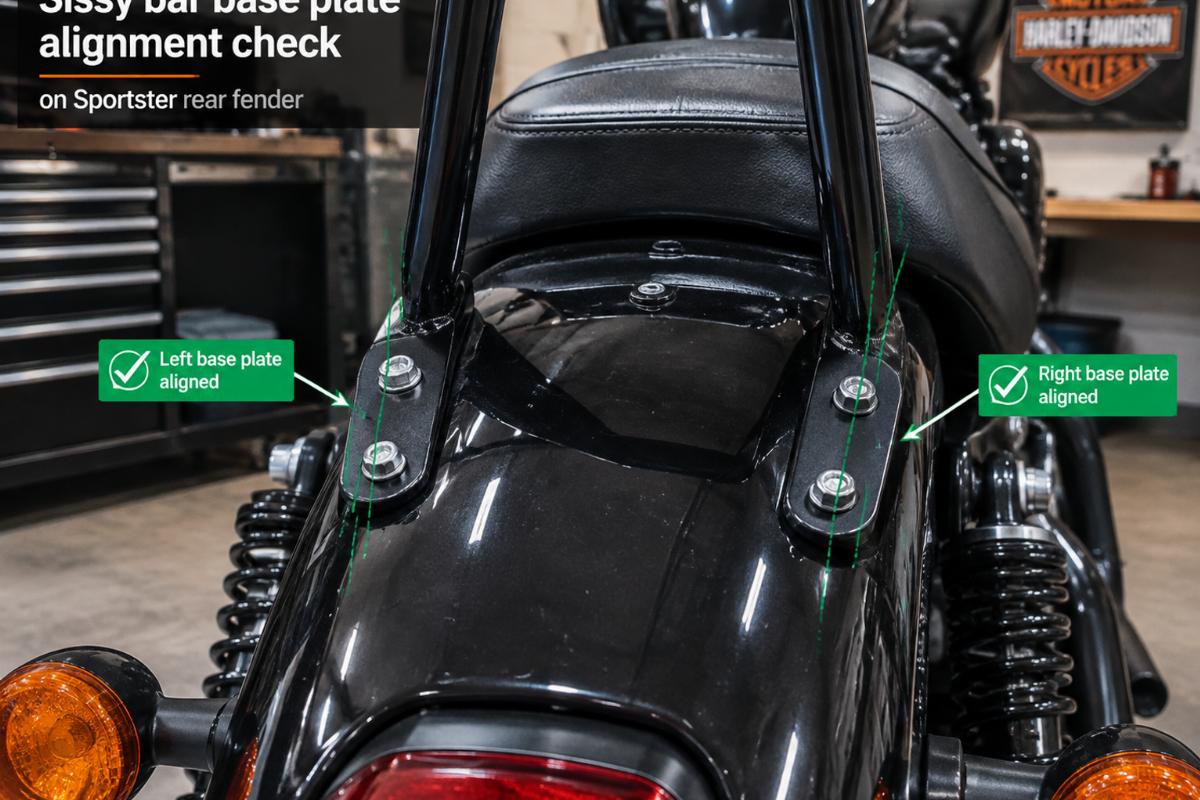
When evaluating Sportster sissy bar fitment, look for suppliers who provide detailed fitment sheets indicating the exact model years supported. Do not rely on generic descriptions. Ask for photos of the mounting hardware and the base plate geometry. This level of detail ensures that the parts you stock will actually fit the bikes your customers are building, reducing the friction in the supply chain.
How to Verify Part Compatibility Before Ordering?
Documentation prevents returns, not just promises.
The most effective way to ensure compatibility is to demand detailed documentation before placing an order. This includes fitment sheets with year ranges, cross-reference lists against OEM numbers, and key dimension specifications. A reliable supplier will provide these documents proactively, allowing distributors to verify fitment against factory service manuals. [NEED_CITE: importance of OEM cross-referencing in aftermarket parts]
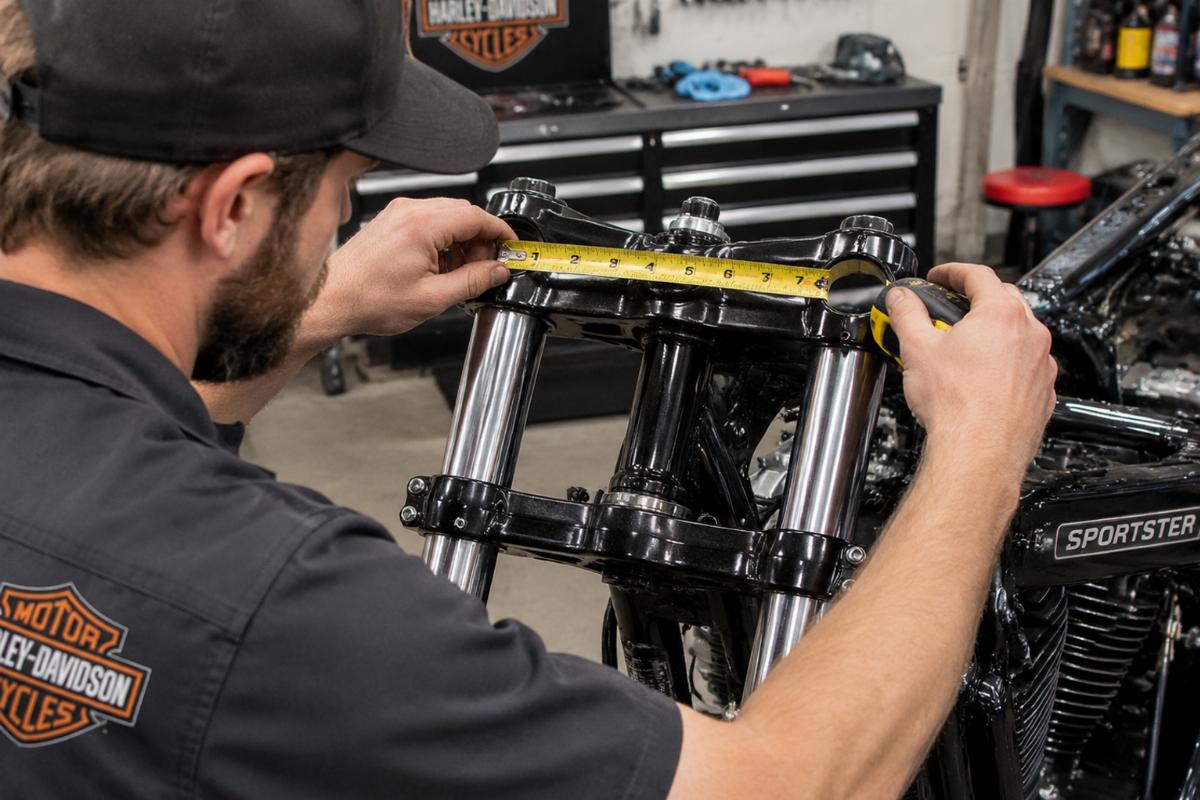
In my experience, the best practice is to request samples for fitment confirmation before committing to bulk orders. This allows you to physically check the triple tree spacing, the sissy bar hole alignment, and the handlebar pullback on actual bikes. It also lets you inspect the quality of the chrome or black finish, ensuring batch consistency. A mismatch in finish between the front end and body parts can ruin the visual cohesion of a build, leading to customer dissatisfaction.
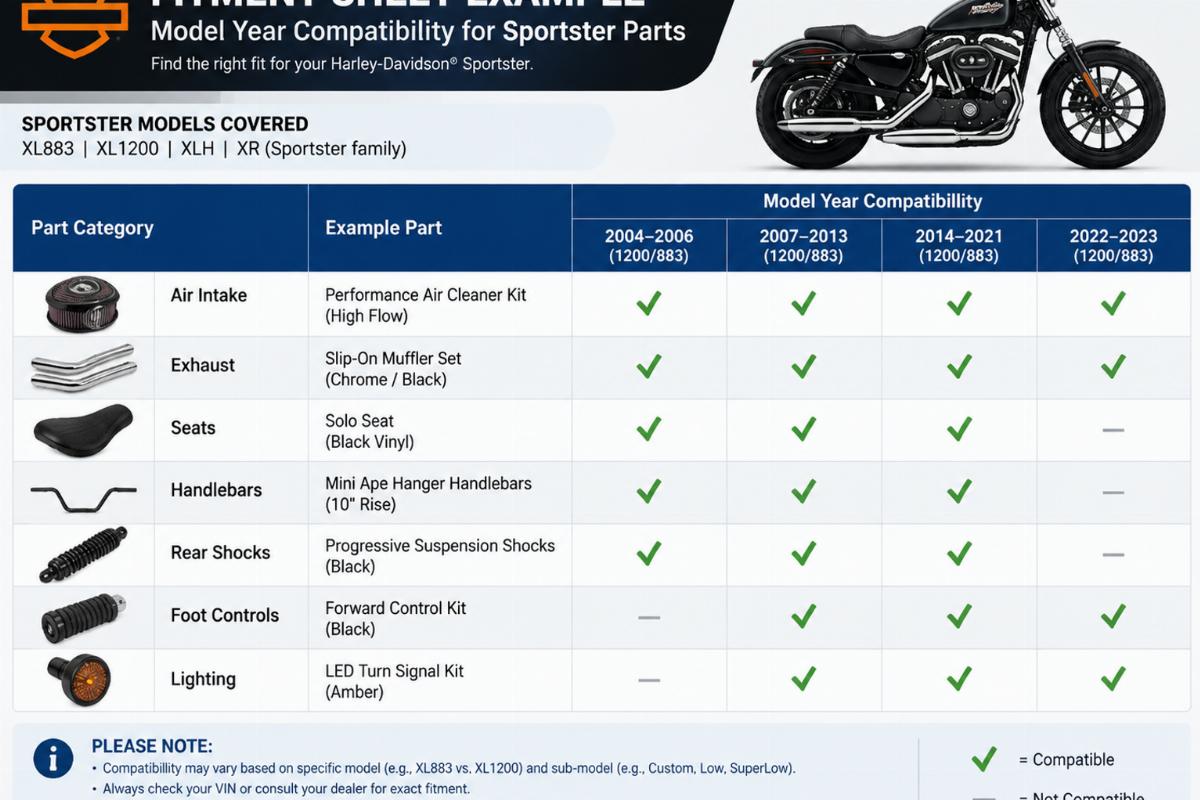
When reviewing a Sportster Bobber front end build guide from a potential supplier, check if they offer support for pre-1984 and discontinued models. These older bikes often have unique requirements that modern parts do not address. A supplier who understands these nuances and provides accurate data is a valuable partner. They help you avoid the pitfalls of generic listings that carry over errors from other sellers.
Additionally, verify that the supplier does not claim to be an authorized dealer or use brand names in a way that implies affiliation. Legitimate aftermarket manufacturers describe parts by their fitment, not by brand ownership. This compliance stance protects your business from intellectual property issues and ensures that the parts are marketed correctly as high-quality replacements.
Conclusion
Precision in fitment defines professional credibility.
Building a reliable inventory for Sportster bobbers requires more than just sourcing attractive parts; it demands rigorous technical verification. By focusing on key dimensions like triple tree spacing, sissy bar hole patterns, and handlebar pullback, distributors can minimize returns and build trust with their customers. A thorough Sportster Bobber front end build guide serves as both a sales tool and a quality control checklist, ensuring that every part sold fits as intended.