
Wholesale Old School Chopper Parts for Custom Builds
Longer forks do not automatically create a better chopper stance.
Successful old school chopper builds depend on verifying key fitment dimensions like length over stock and triple tree spacing before ordering parts, rather than selecting components based solely on visual appeal. Ignoring these geometric constraints leads to assembly failures, handling issues, and costly returns for distributors.
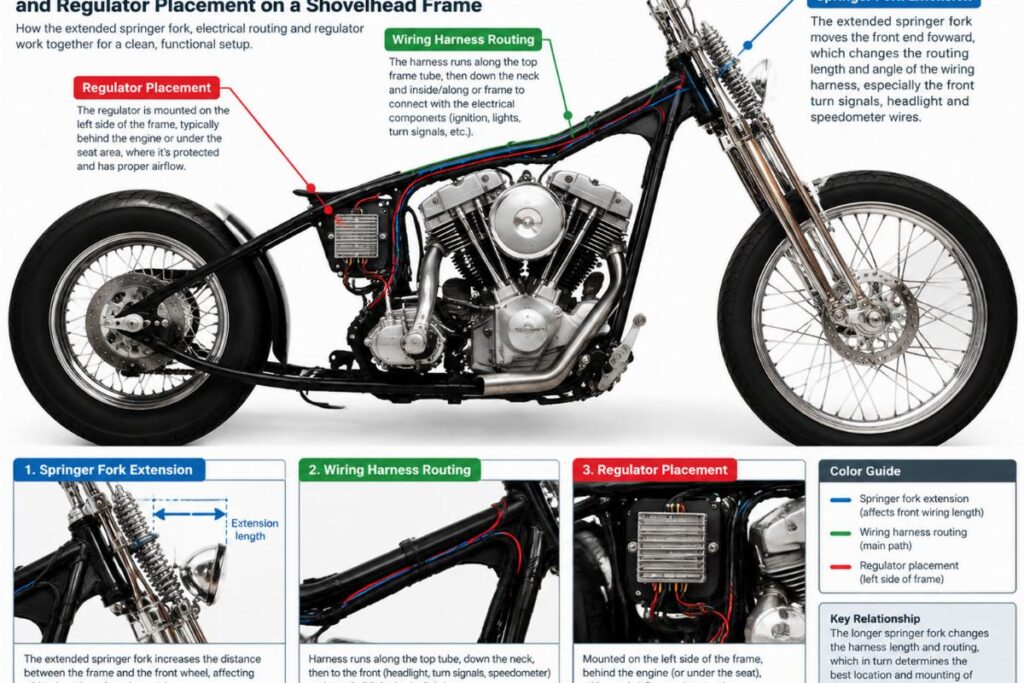
I remember a custom order from a shop in Mexico City that wanted to build an XS650 chopper. They ordered extended front end components without cross-referencing the fork length against the frame neck angle. When the parts arrived, the triple trees simply would not seat into the head cups correctly. The entire geometry was off, and the bike could not be assembled without major frame modification. This is not an isolated incident. In the wholesale trade, I see this pattern repeat when buyers focus on the look of an old school chopper parts fitment guide without understanding the underlying mechanical requirements. The aesthetic of a chopper is defined by precise relationships between the steering head, the fork tubes, and the wheel axle. If one dimension is incorrect, the rest of the build fails.
Understanding these dimensions is critical for anyone sourcing aftermarket v-twin parts supplier China products. It is not enough to know the model year. You must know how the parts interact with the specific frame architecture. This guide breaks down the critical fitment points that determine whether a part fits or ends up in a return bin.
Why Does Length Over Stock Matter More Than Aesthetics?
Extended length changes the motorcycle’s ride height and handling geometry, not just its visual profile.
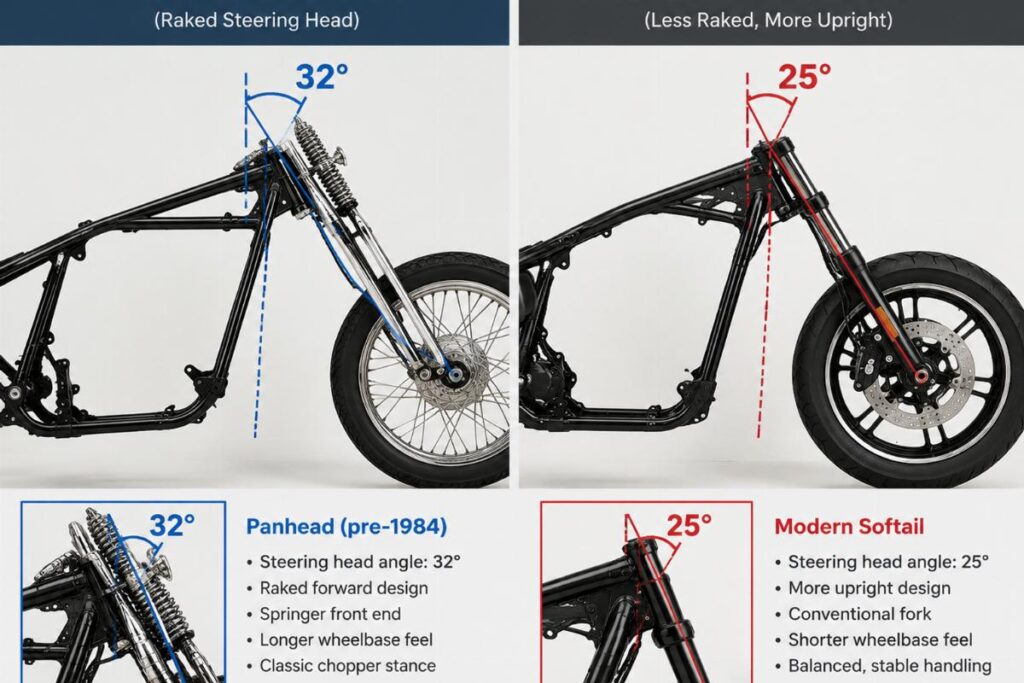
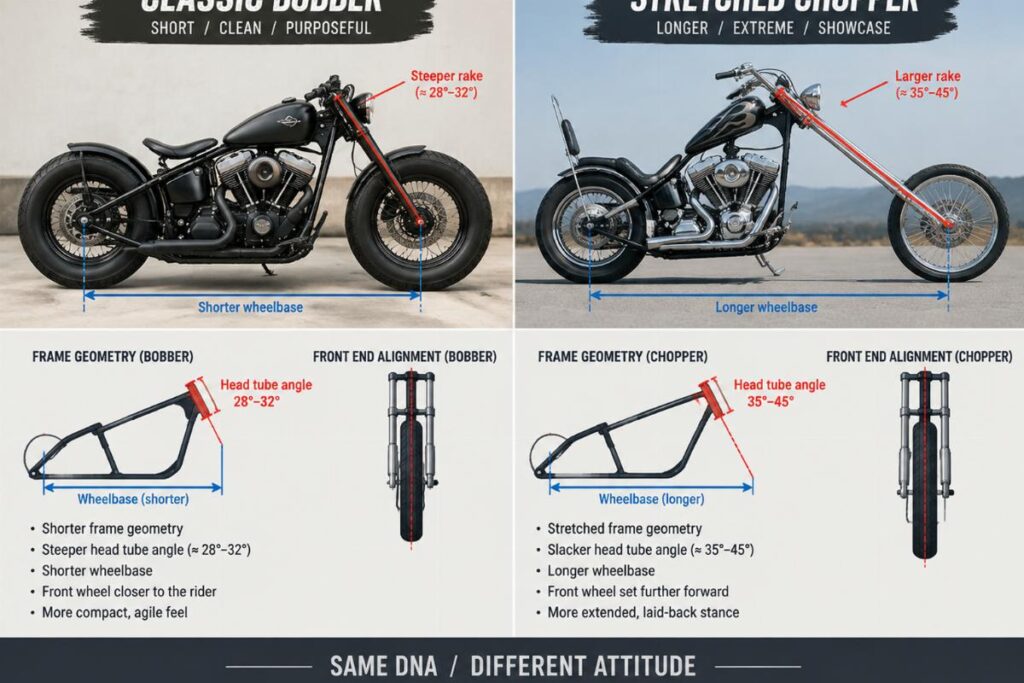
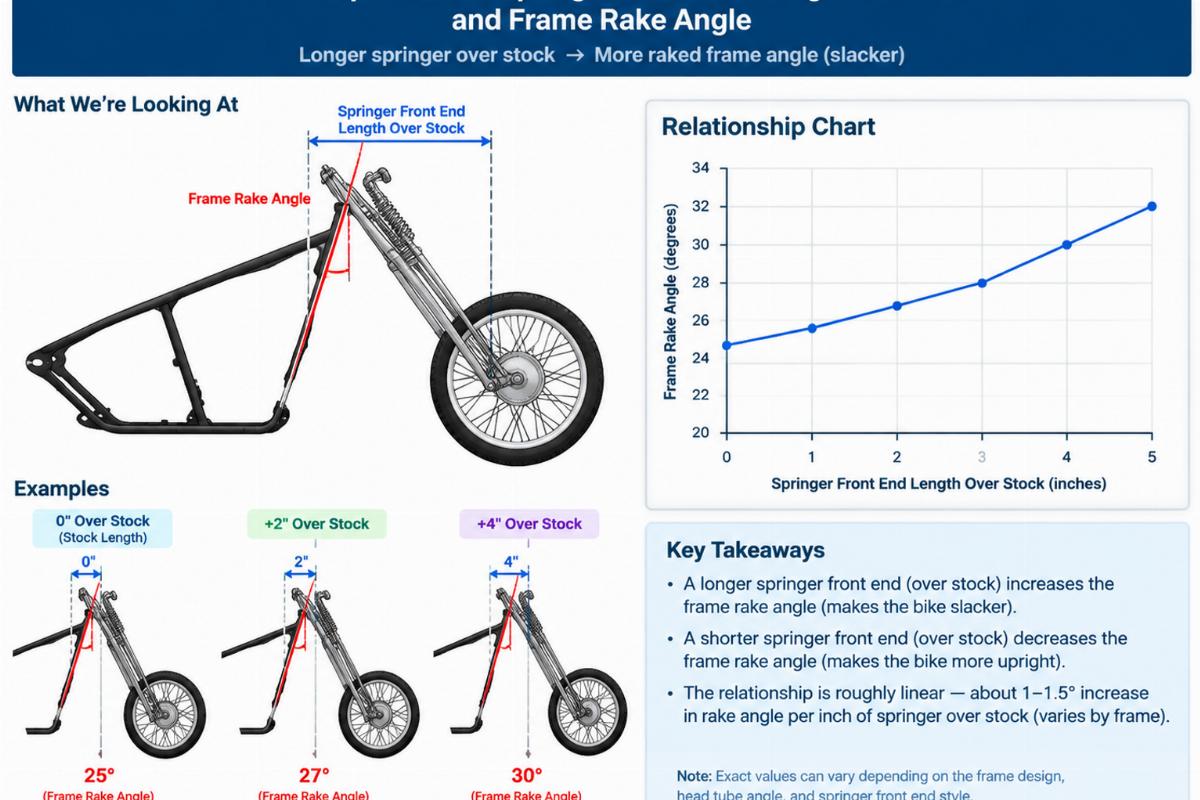
When builders request longer front ends, they often assume that more length equals a more aggressive chopper look. However, increasing the length over stock alters the rake and trail of the motorcycle. Rake is the angle of the steering head relative to the vertical axis, and trail is the distance between the point where the steering axis intersects the ground and the point where the front tire contacts the ground. [NEED_CITE: effect of rake and trail on motorcycle stability] If you extend the forks without accounting for these changes, the bike may become unstable at low speeds or difficult to steer at high speeds.
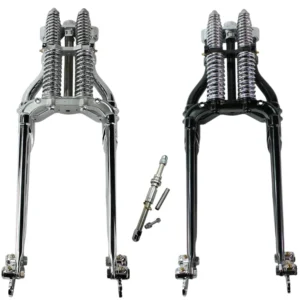
For Harley-Davidson models, especially the Softail and Dyna families, the frame is designed with a specific geometry in mind. Adding a springer front end that is significantly longer than stock requires careful calculation. If the length over stock is too great, the front wheel may lift under heavy braking, or the tire may rub against the fender or frame downtubes. In my experience, the most common error is ordering a springer assembly based on the desired visual drop without measuring the available clearance in the frame neck.
Consider the case of a Softail Springer retrofit. A distributor ordered a set of extended springer legs for a late-model Softail. The length over stock was increased by several inches. However, the axle hardware spacing did not match the new geometry. The brake caliper mounting points were misaligned, making it impossible to install the standard braking system without custom fabrication. This type of mismatch is preventable if the buyer verifies the axle spacing and brake mount compatibility before placing the order.
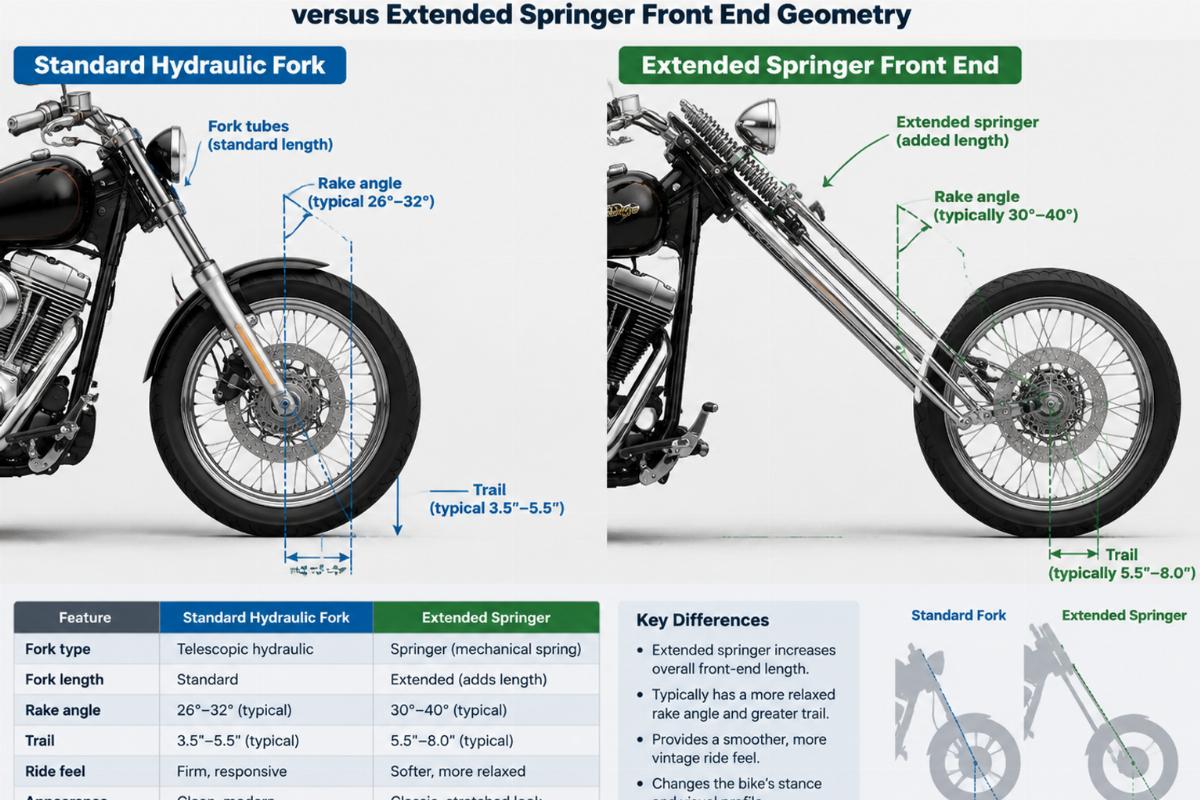
When evaluating an old school chopper parts fitment guide, pay attention to how length over stock is defined. It is not just the total length of the fork tubes. It is the difference between the original equipment manufacturer specification and the new component. This measurement dictates how the bike sits and rides. Distributors who provide detailed fitment sheets with these dimensions help their customers avoid these pitfalls. By confirming the length over stock against the frame specifications, you ensure that the final build is both functional and visually coherent.
How Do Triple Tree Spacing and Fork Types Define Compatibility?
Triple tree spacing determines whether the fork tubes will fit the steering head bearings and the wheel axle.
One of the most frequent sources of confusion in the aftermarket industry is the difference between Narrow Glide and Wide Glide setups. Many assume that all triple trees are interchangeable within a model family, but this is incorrect. Narrow Glide and Wide Glide configurations have different tube diameters and spacing requirements. [NEED_CITE: Harley-Davidson Narrow Glide vs Wide Glide specifications] Mixing these components results in structural failures or an inability to assemble the front end.
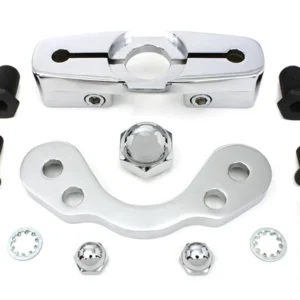
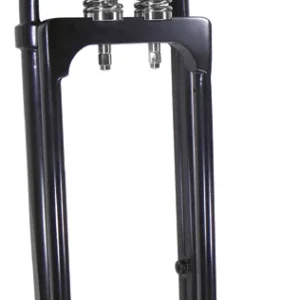
Narrow Glide forks typically have smaller diameter tubes and are spaced closer together. Wide Glide forks have larger diameter tubes and are spaced further apart. The triple tree, which connects the fork tubes to the steering stem, must match this spacing exactly. If you attempt to install Wide Glide tubes into a Narrow Glide triple tree, the tubes will not fit. Conversely, installing Narrow Glide tubes into a Wide Glide triple tree will leave excessive play, leading to dangerous wobbling and potential failure.
For Yamaha XS650 builds, the situation is similar but distinct. The XS650 has its own unique triple tree spacing and bearing sizes. When building an XS650 chopper, it is essential to use triple trees designed specifically for that platform. Using Harley-Davidson style triple trees on an XS650 frame will not work without significant modification to the steering head bearings and the frame itself.
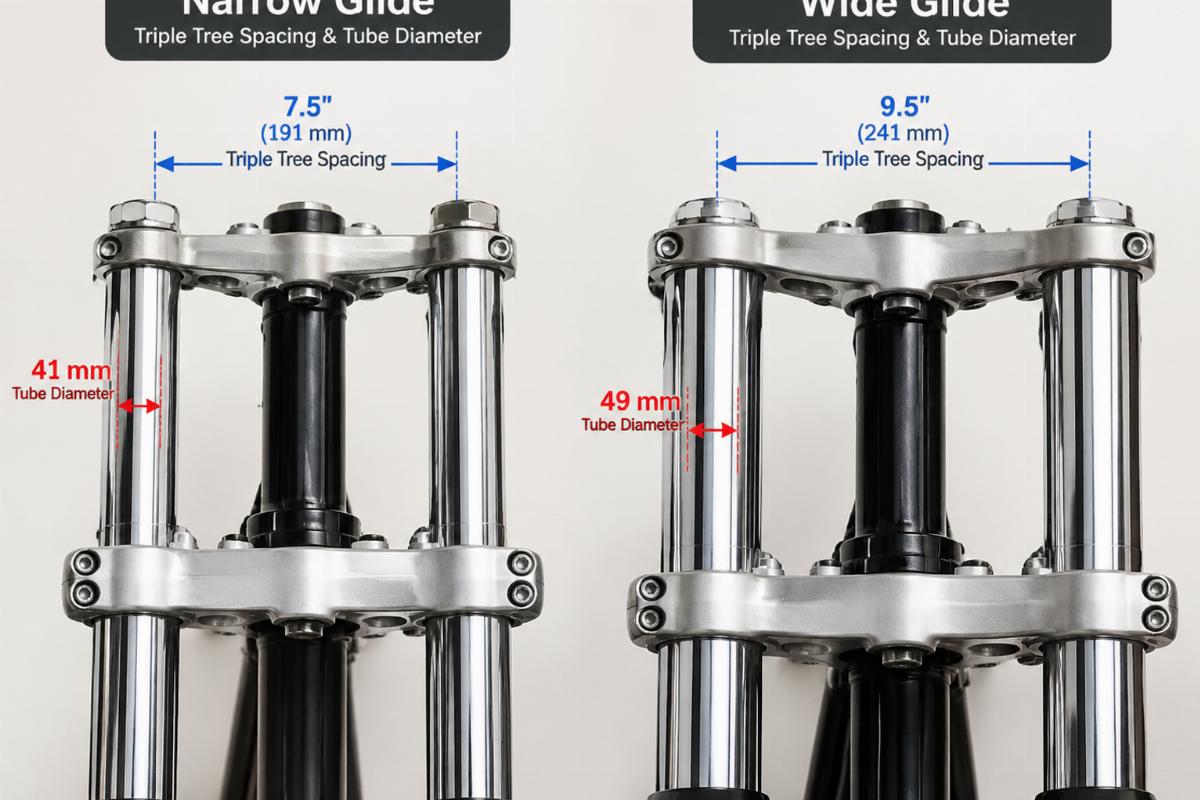
When sourcing from an aftermarket v-twin parts supplier China, it is crucial to specify the exact glide configuration. Do not rely on generic descriptions. Provide the model year and the specific glide type. For example, a 1984 and later Evolution Big Twin may use either Narrow or Wide Glide depending on the model. A Softail Springer will have different requirements than a Dyna. By clarifying these details, you ensure that the triple trees you receive will fit your intended application. This attention to detail reduces the risk of returns and increases customer satisfaction. Understanding Harley-Davidson triple tree spacing is fundamental to successful parts distribution.
What Steering Head Components Are Often Overlooked in Restorations?
Steering head bearings and cups vary significantly between early and late frame designs.
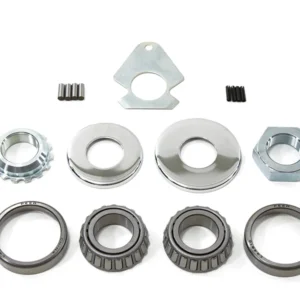
In pre-1984 Big Twin restorations, such as Knucklehead, Panhead, and Shovelhead models, the steering head components are often overlooked. These early frames use different bearing types and cup sizes compared to later models. Installing the wrong head cups can result in excessive steering play or binding, making the motorcycle unsafe to ride. [NEED_CITE: steering head bearing types for vintage Harley-Davidson models]
The transition from tapered roller bearings to ball bearings in later models also affects fitment. Early springer machines used specific bushings and rocker studs that are not compatible with modern hydraulic fork setups. When restoring a classic Big Twin, it is essential to identify the correct head cup kit for the specific year and model. Using a generic kit may seem cost-effective, but it often leads to poor performance and premature wear.
I once encountered a restoration project where the builder installed modern ball bearings in a pre-1984 frame that required tapered roller bearings. The result was immediate steering instability. The bearings could not handle the load distribution designed for the original setup. This error was only corrected after replacing the entire steering head assembly with the correct vintage-spec components.
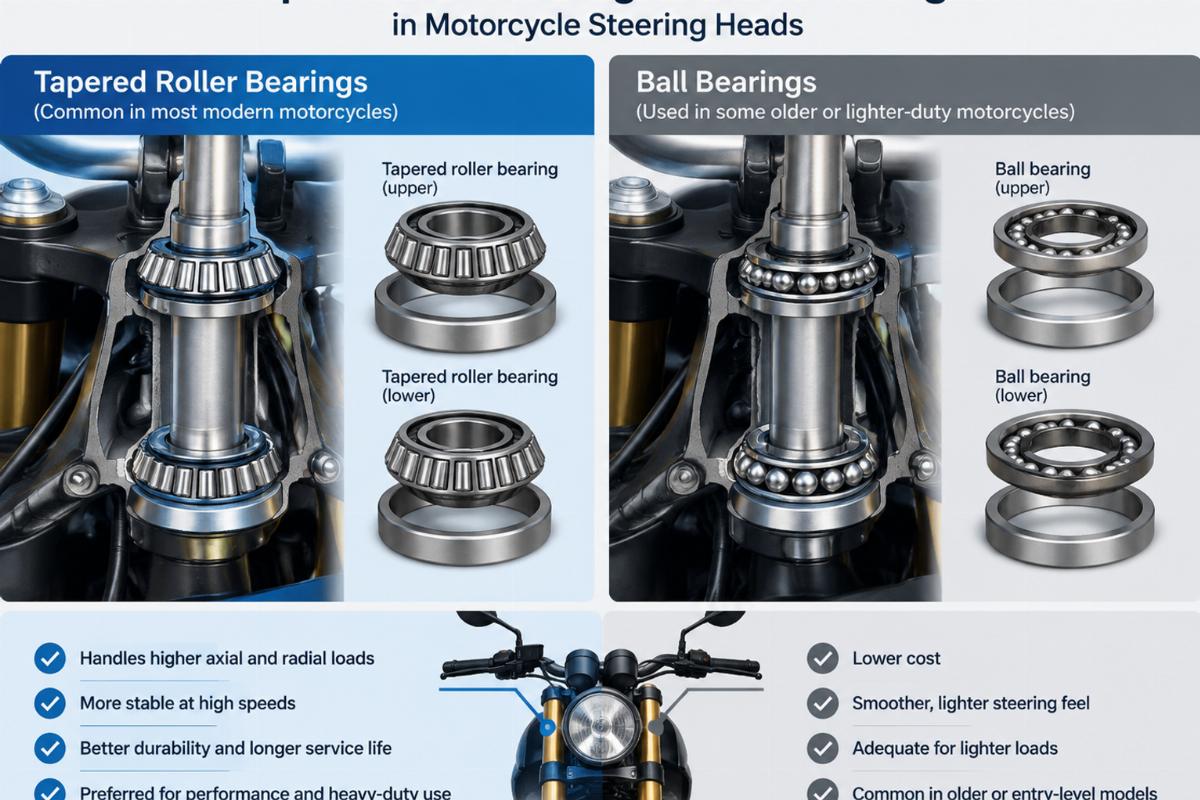
Distributors should verify the steering head bearing type before quoting parts for vintage models. Ask for the model year and any previous modifications. If the frame has been modified, additional measurements may be required. Providing accurate cross-reference data for these components helps builders select the right parts the first time. This level of support distinguishes a reliable supplier from a generic parts vendor. When following an old school chopper parts fitment guide, always check the steering head specifications first.
Which Dimensions Determine Handlebar and Control Fitment?
Handlebar diameter and pullback must align with control clamp areas for proper installation.
The final piece of the fitment puzzle is the handlebars and controls. While not part of the front end geometry, they are critical to the overall functionality of the chopper. Handlebars come in various diameters, rises, widths, and pullbacks. The control clamps on the triple trees or risers must match the bar diameter exactly. [NEED_CITE: motorcycle handlebar diameter standards]
For custom builds, internal wiring holes are also a consideration. Bars with internal wiring require specific switch housings and throttle assemblies. If the bars are too narrow or have insufficient pullback, the rider may experience discomfort or lack of control. Conversely, bars that are too wide may interfere with the fuel tank or other components.
When sourcing controls, ensure that the clamp area matches the bar diameter. Common diameters include 1-inch and 7/8-inch. Mixing these sizes will result in loose controls or damaged bars. Additionally, consider the rise and width in relation to the rider’s position. A chopper with extended front ends may require bars with more pullback to maintain a comfortable riding posture.
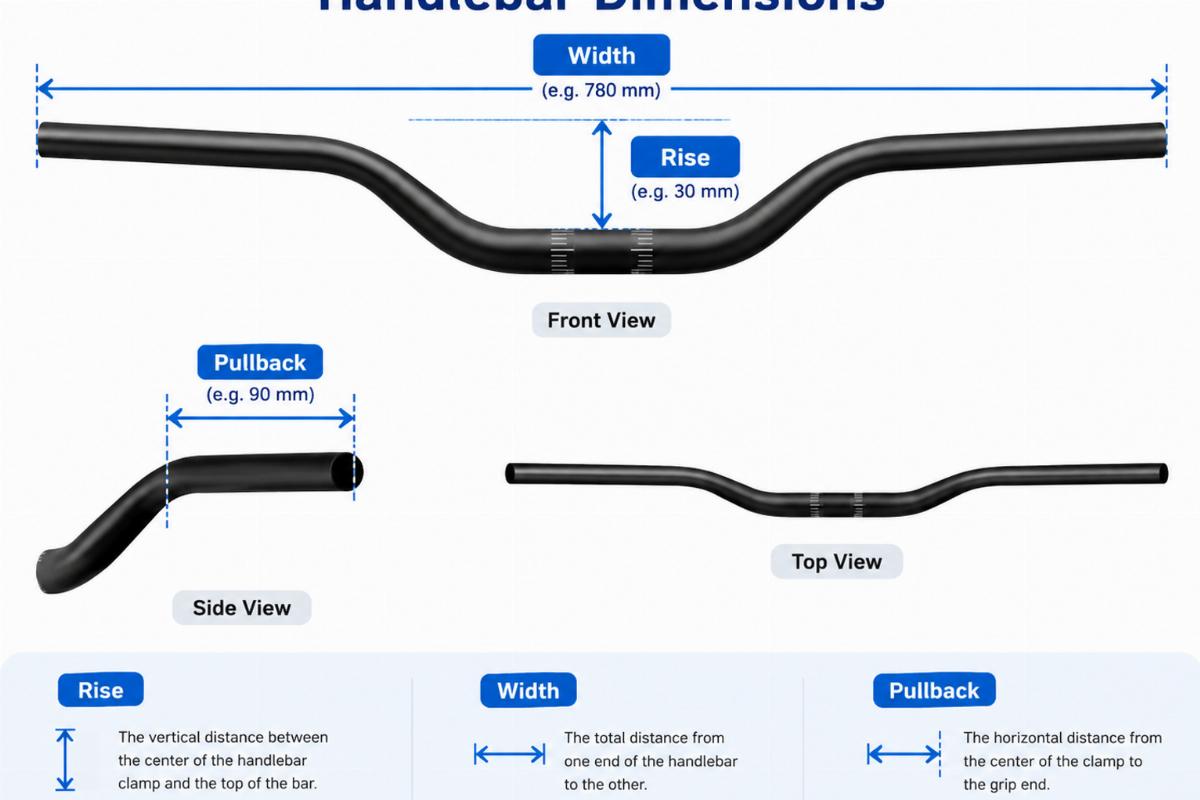
By verifying these dimensions, you ensure that the handlebars and controls integrate seamlessly with the rest of the build. This attention to detail enhances the rider’s experience and ensures the safety of the motorcycle. As an aftermarket v-twin parts supplier China, providing clear specifications for handlebars and controls helps distributors make informed decisions. This comprehensive approach to fitment is what defines a professional old school chopper parts fitment guide.
Conclusion
Fitment accuracy prevents costly errors and ensures successful chopper builds.
Verifying dimensions such as length over stock, triple tree spacing, and steering head bearing types is essential for any custom motorcycle project. By understanding these technical constraints, distributors and builders can avoid assembly failures and reduce return rates. Always consult detailed fitment sheets and cross-reference data before ordering parts. Send your model and year for a fitment check to ensure compatibility.