
Bobber vs Chopper Parts: Style Differences and Key Parts Wholesale
Most builders assume bolt patterns dictate fitment, but frame geometry is the true arbiter of compatibility.
Bobber and Chopper styles are defined by distinct frame geometries and front-end dimensions, not just aesthetics; selecting the correct parts requires verifying rake, trail, and fork length against specific model years to prevent structural clashes. This distinction is critical for distributors and custom shops aiming to minimize returns and ensure build integrity. When sourcing aftermarket components, understanding that a part designed for a stock Softail will likely fail on a stretched chopper frame due to altered steering angles is the first step toward accurate inventory management. The visual difference is obvious, but the mechanical divergence lies in the millimeters of tube diameter and the degrees of neck angle. [NEED_CITE: impact of rake and trail on motorcycle handling stability]
Navigating the aftermarket landscape requires more than matching part numbers. It demands a grasp of how historical design shifts affect modern replacements. A component that fits a 1980s machine may not align with a 1990s revision, even within the same model family. This guide breaks down the structural realities that define these two iconic styles, offering technical clarity for those managing supply chains or executing custom builds. By focusing on dimensional verification rather than stylistic labels, buyers can avoid the costly errors that arise from treating all V-twin modifications as interchangeable.
What Defines the Structural Difference Between Bobber and Chopper Frames?
Frame geometry, specifically rake and neck angle, dictates part compatibility, not just style.
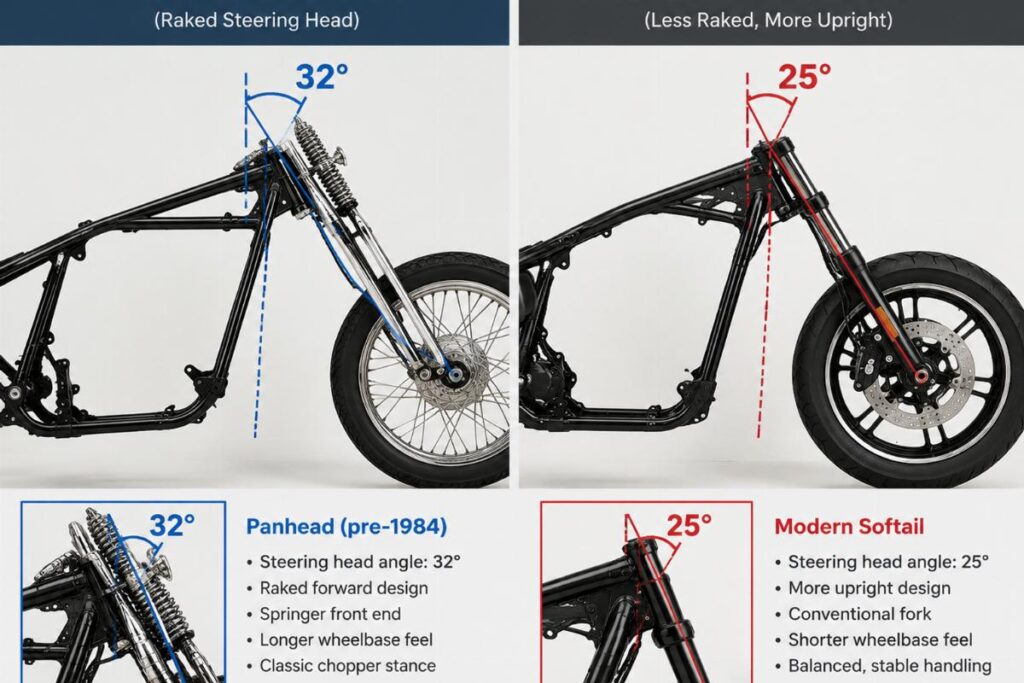
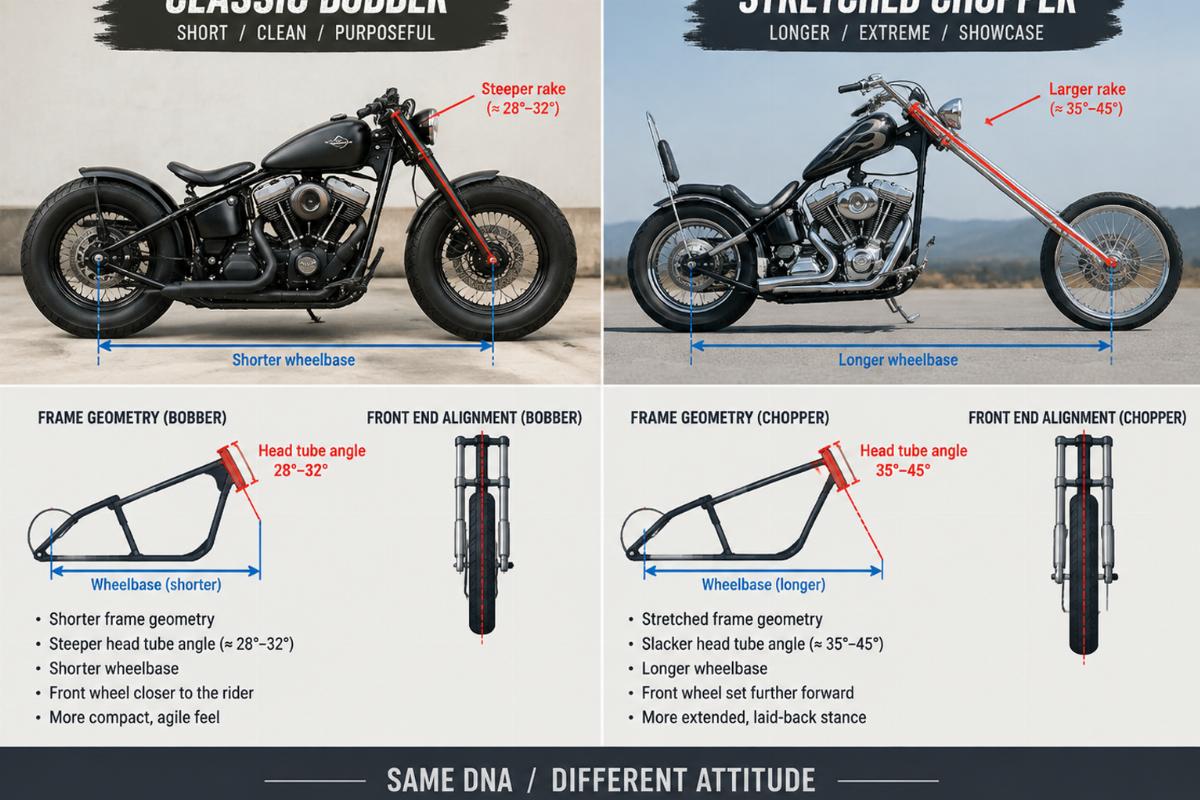
The fundamental error in many custom builds is treating the frame as a passive canvas. In reality, the frame’s head tube angle and overall length determine the stress loads placed on every connected component. A bobber typically retains a near-stock frame geometry, often shortening the rear fender and seat while keeping the front end relatively standard. This means the steering head bearings, triple trees, and fork tubes operate within the original engineering parameters. [NEED_CITE: factory service manual specifications for stock Harley-Davidson Softail frame geometry]
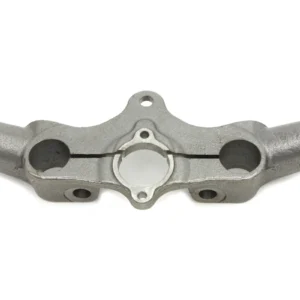
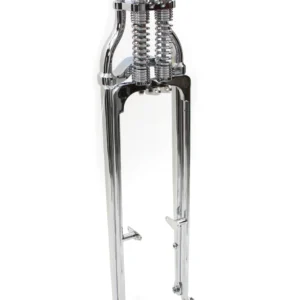
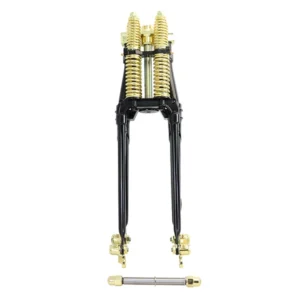
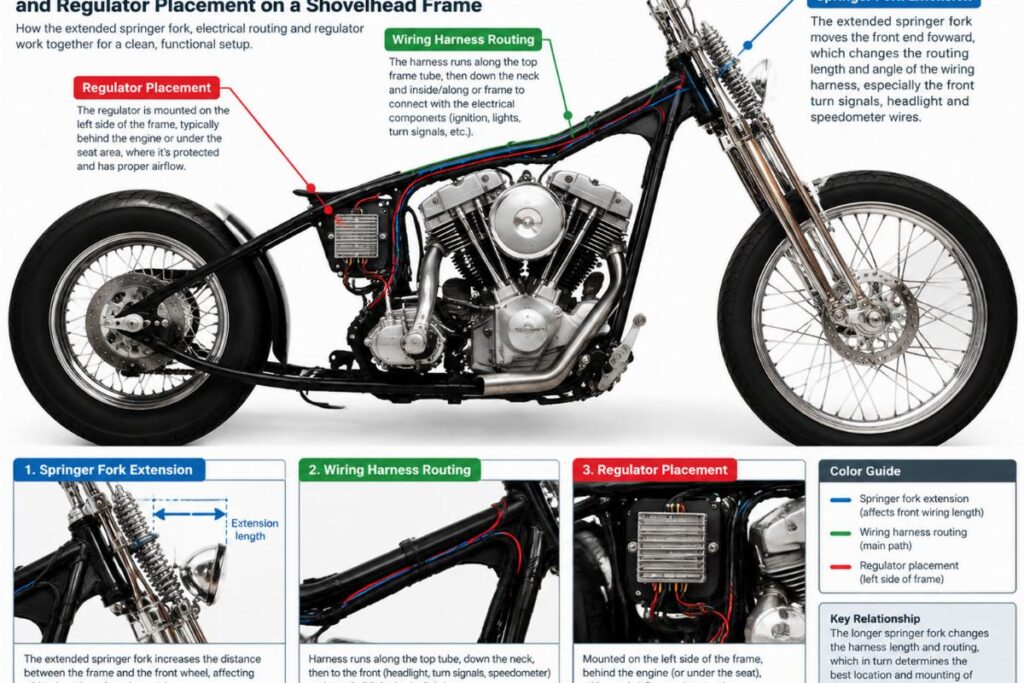
Conversely, a chopper involves stretching the frame and raking the neck forward. This alteration changes the entire kinematic chain. The increased distance between the front axle and the steering head requires longer fork tubes and specific triple tree offsets to maintain proper trail. If a builder installs standard-length springers on a raked chopper frame, the front wheel may sit too far back, causing the tire to rub against the downtubes or the engine cases. For wholesalers, this means stocking “one-size-fits-all” front ends is a recipe for high return rates. Instead, inventory must be segmented by frame type and intended rake angle.
I once sourced a batch of springer front ends for a client building a series of choppers. I treated them as standard replacements, ignoring the extended length required for the raked frames. The builder’s workshop called, furious—the triple trees clashed with the fuel tank, and the steering geometry was completely ruined. That headache taught me a hard lesson: bobber and chopper parts aren’t just about looks; the dimensional differences in fork length, neck angle, and hardtail frames dictate everything. Now, I always check the frame geometry and model years before quoting, because sending the wrong fork kit means scrapping a custom build.
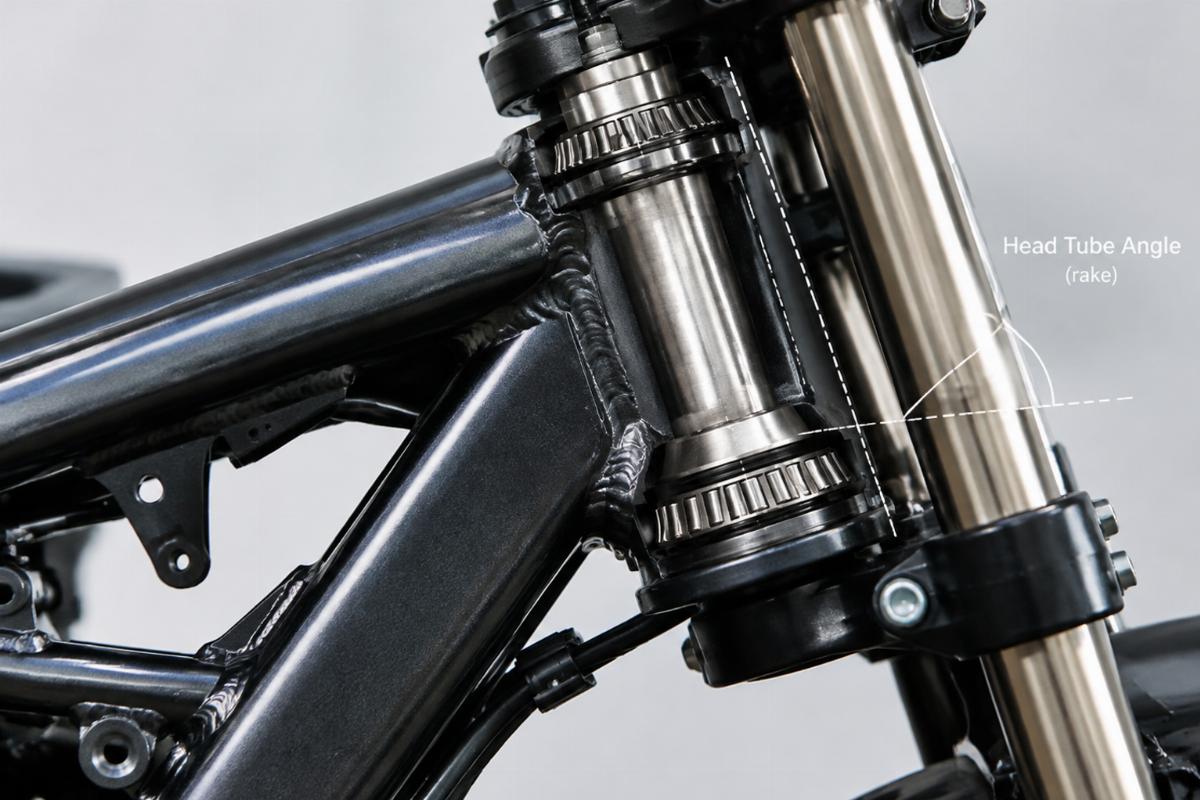
Understanding this structural divide helps in categorizing inventory. Bobber parts often focus on aesthetic trim and minor suspension tweaks, while chopper parts require heavy-duty structural components capable of handling the increased leverage forces. Distributors who separate their catalogs based on these geometric realities provide greater value to their customers, reducing the guesswork involved in custom fabrication.
How Does Front End Length Impact Steering Geometry and Clearance?
Extended forks change trail and ride height, requiring specific triple trees and fender mounts to avoid tank clashes.
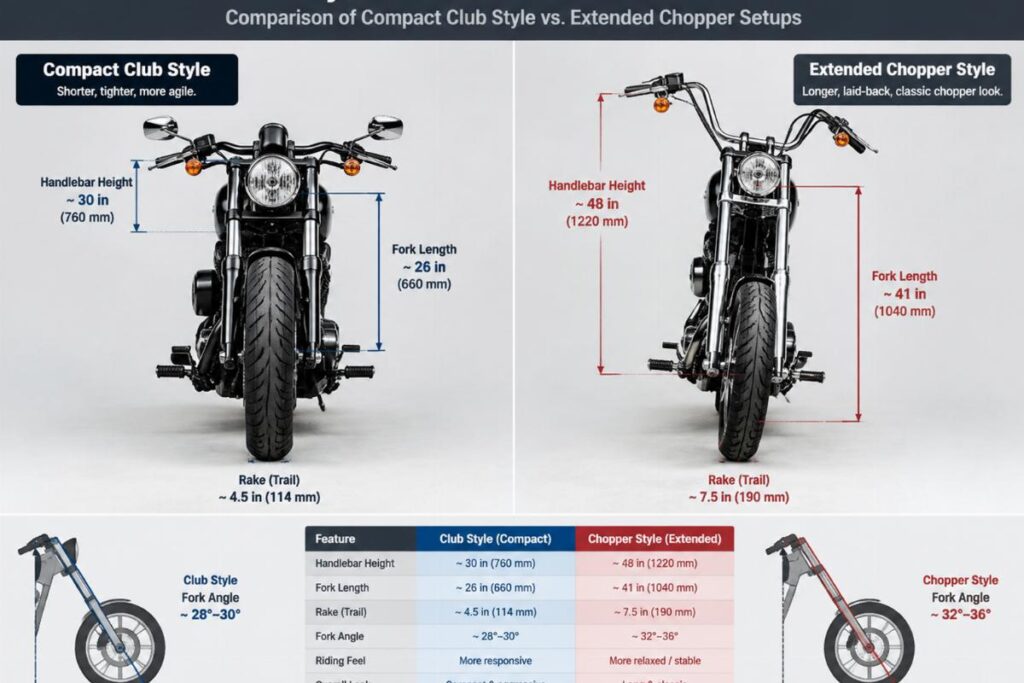
Front end length is not merely a visual choice; it is a critical variable in steering dynamics. When a builder extends the front end, they increase the trail, which stabilizes the bike at high speeds but makes low-speed maneuvering heavier. More importantly, the physical length of the fork tubes and the position of the triple trees must clear the fuel tank and handlebars. A common mistake is ordering springer assemblies based on wheel size alone, without accounting for the frame’s stretch. [NEED_CITE: relationship between fork length and motorcycle trail measurement]
For example, a standard springer might work perfectly on a stock FXSTS Springer Softail. However, if that same springer is installed on a chopper frame with a five-inch stretch, the upper triple tree may hit the bottom of the fuel tank during full compression. This interference can damage the paint, crack the tank, or restrict steering lock. To prevent this, manufacturers offer springer front ends in various lengths over stock. These extended units feature longer legs and adjusted rocker positions to maintain proper clearance and geometry.
| Feature | Stock Bobber Setup | Stretched Chopper Setup |
|---|---|---|
| Fork Length | Standard or slightly reduced | Extended over stock |
| Triple Tree Position | Standard offset | Adjusted for increased rake |
| Tank Clearance | High tolerance | Critical check point |
| Steering Feel | Light and responsive | Heavier, stable at speed |
This table highlights why a single SKU cannot serve both markets. A distributor selling to custom shops must offer options that specify the length variance. Without this detail, builders are forced to modify parts themselves, leading to inconsistent results and potential safety issues. By providing clear dimensional data, suppliers empower builders to select the correct kit upfront, ensuring the front end integrates seamlessly with the frame’s unique geometry.
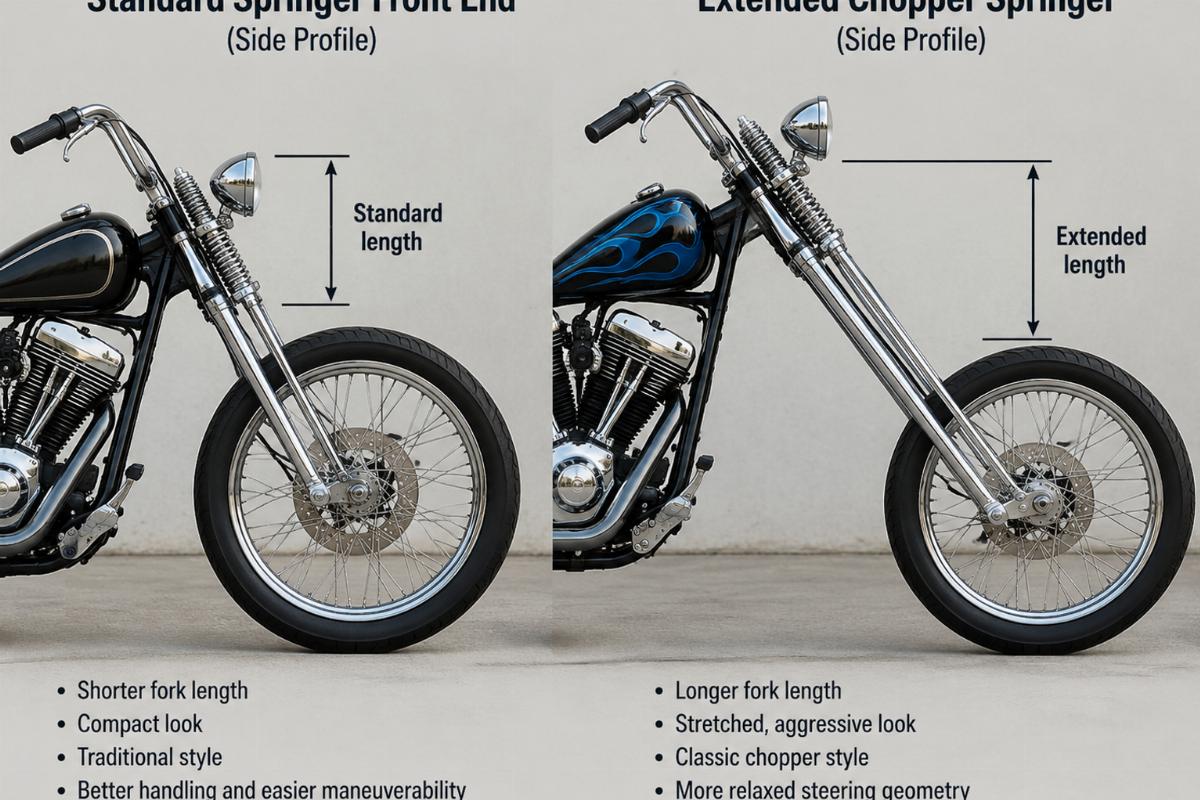
The impact of length also extends to fender and headlight mounts. On a chopper, the front fender must be positioned further forward to cover the tire adequately, which requires specific mounting brackets designed for extended setups. Standard bobber mounts will leave the tire exposed or force the fender into an awkward angle. Recognizing these ancillary fitment issues allows for more comprehensive order fulfillment, where all necessary hardware is included in the kit.
Which Critical Dimensions Determine Springer and Hydraulic Fork Fitment?
Verify tube diameter, triple tree spacing, and axle size against the specific model year and frame type.
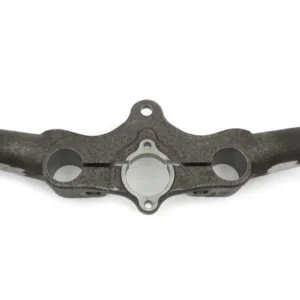
Fitment is determined by a handful of precise measurements that vary across model years and families. For hydraulic forks, the distinction between Narrow Glide and Wide Glide is paramount. Narrow Glide forks have a smaller tube diameter and narrower triple tree spacing, typical of earlier Sportsters and some Big Twins. Wide Glide forks feature larger tubes and wider spacing, offering a different aesthetic and structural profile. Attempting to fit Wide Glide triples on a Narrow Glide setup without adjusting axle spacing results in misalignment and bearing failure. [NEED_CITE: dimensional differences between Harley-Davidson Narrow Glide and Wide Glide forks]
Springer front ends present their own set of dimensional challenges. The width of the springer legs, the diameter of the spring rods, and the spacing of the rocker studs must match the frame’s mounting points. Additionally, the axle size must correspond to the wheel hub. A mismatch here can lead to unsafe riding conditions and premature wear on the bushings. For distributors, maintaining a cross-reference sheet that maps these dimensions to specific model years is essential. This document serves as a technical safeguard, allowing customers to verify compatibility before placing an order.
I recall a case where a builder attempted to swap hydraulic forks between two different eras of Dyna models. The outer tubes appeared identical, but the inner damper tubes and seal diameters differed slightly due to a mid-production update. The result was a persistent leak that could not be resolved with standard seals. This incident underscores the importance of checking superseded part numbers and manufacturing changes. Even within the same model line, subtle variations can render parts incompatible.
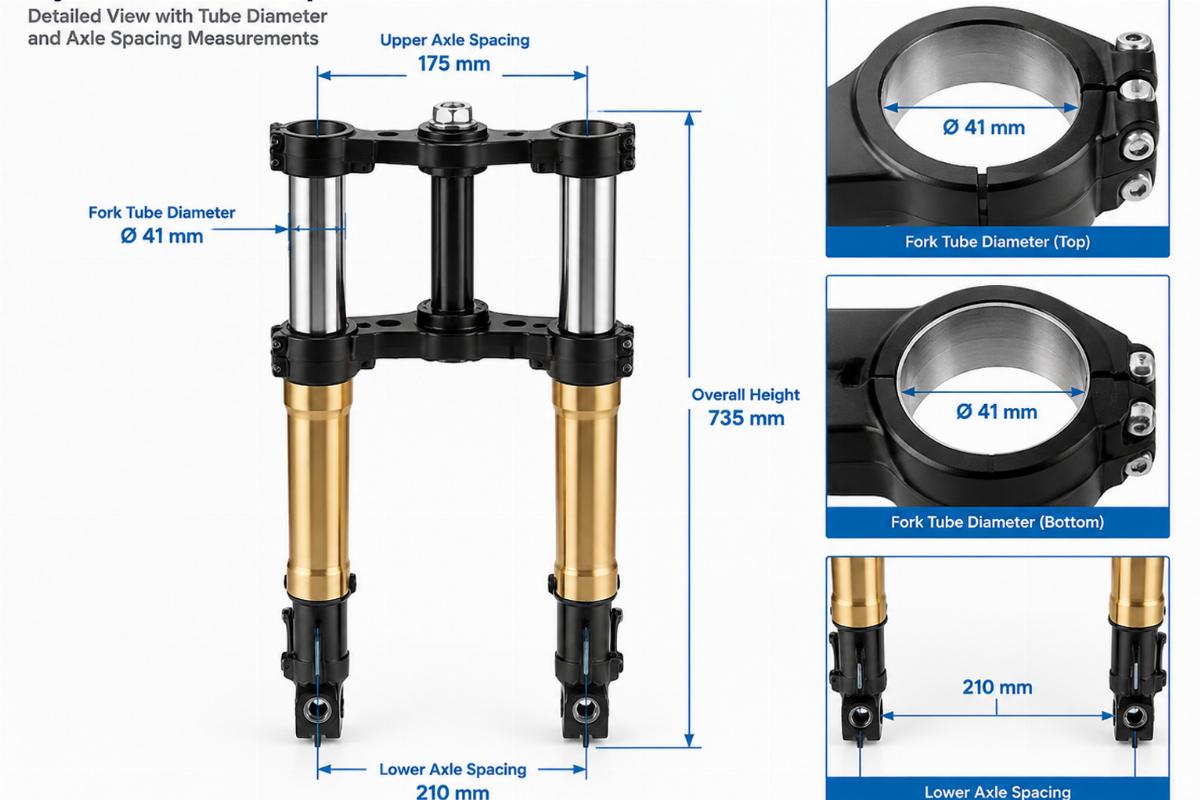
By emphasizing these critical dimensions, suppliers can reduce the volume of technical inquiries and returns. Providing photos and measurement guides alongside product listings helps customers make informed decisions. This approach shifts the burden of verification from the post-purchase phase to the pre-purchase phase, enhancing customer satisfaction and operational efficiency. For businesses dealing in Bobber vs Chopper parts fitment, this level of detail is not just helpful—it is necessary for survival in a niche market.
Why Do Model Year and Superseded Part Numbers Matter in Custom Builds?
Manufacturing changes over decades mean OEM numbers shift; cross-referencing ensures correct hardware selection.
Motorcycle manufacturing is not static. Over the decades, brands like Harley-Davidson and Yamaha have updated their designs, materials, and part numbers. A component designated for a 1985 model may have a different specification than its 1987 counterpart, even if the external appearance is similar. These changes are often documented through superseded part numbers, where an old number is replaced by a new one that reflects an improvement or correction. Ignoring these updates can lead to fitment issues that are difficult to diagnose after installation. [NEED_CITE: importance of cross-referencing superseded OEM part numbers in aftermarket sales]
For example, the steering head bearings in early Softail models differ from those in later iterations. Using the wrong bearing kit can cause premature wear and noisy steering. Similarly, the electrical connectors for charging systems have evolved, with older models using different pin configurations than newer ones. A voltage regulator rectifier that fits a 1990s Evolution engine may not plug into a Twin Cam setup without modification. Understanding these transitions requires access to detailed fitment sheets that track these changes over time.
In my experience, the most reliable way to manage this complexity is to request model year and photos from customers before quoting. This practice allows for precise fitment checks and cross-referencing against superseded OEM numbers. It also helps identify discontinued models that require specialized sourcing. By maintaining a database of these historical changes, suppliers can offer a level of expertise that generic retailers cannot match. This depth of knowledge builds trust with professional builders who rely on accuracy for their livelihoods.
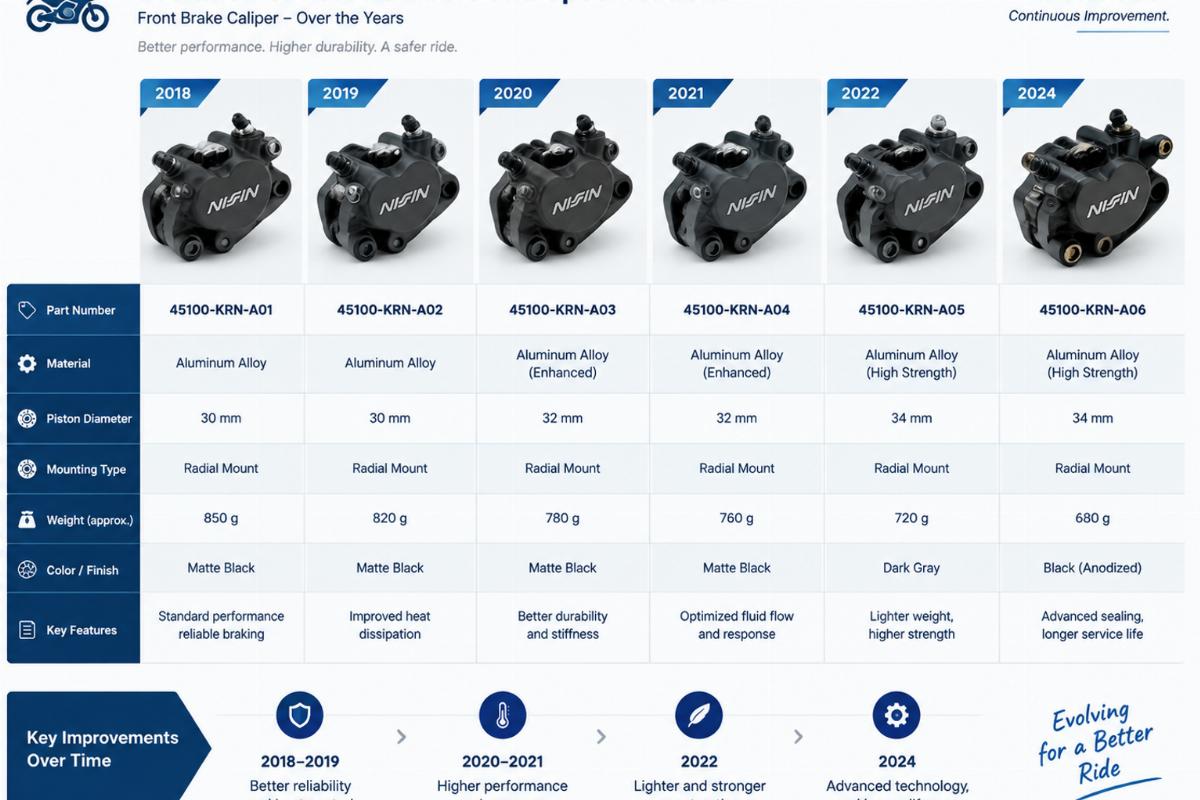
The value of this information extends beyond individual transactions. It informs inventory planning, helping distributors stock the right variants for the most common builds. By analyzing trends in model year requests, businesses can anticipate demand for specific parts, such as springer kits for pre-1984 machines or hydraulic components for late-model Dynas. This proactive approach minimizes dead stock and ensures that popular items are always available. For those navigating the complexities of Bobber vs Chopper parts fitment, staying current with these historical nuances is key to long-term success.
Conclusion
Accurate fitment relies on verifying geometry, not just matching bolt holes.
Success in the aftermarket parts industry hinges on understanding the mechanical distinctions between bobber and chopper builds. By prioritizing frame geometry, front-end dimensions, and model-specific details, distributors can provide reliable solutions that meet the rigorous demands of custom builders. This technical precision reduces returns, enhances customer trust, and supports the integrity of every build.