
Custom Handlebar Supplier for Harley-Davidson & Yamaha XS650 Bulk Orders
OEM part numbers do not guarantee fitment.
Successful custom handlebar sourcing relies on precise dimensional verification before production and clear documentation to avoid customs delays and fitment returns. Relying solely on cross-referenced part numbers without validating physical dimensions against specific model years is the primary cause of batch rejection in the aftermarket V-twin industry.
I still recall the silence on the other end of the line when a container of custom bars arrived at Santos Port. The paperwork was perfect, but the cargo was stuck. I had declared them as simple steel tubes, ignoring the internal wiring channels machined into the control clamp area. Brazilian customs flagged the discrepancy, demanding re-classification. The delay cost more than the freight itself. That incident reshaped how I approach every order. Now, I treat the technical specification sheet with the same rigor as the commercial invoice. A millimeter error in width or a vague HS code description does not just cause a return; it halts your supply chain. [NEED_CITE: importance of accurate HS code classification for motorcycle parts]
For distributors importing V-twin parts, the path from sample to bulk requires more than just a price quote. It demands a systematic approach to fitment validation and trade compliance. This guide details how to verify handlebar fitment, manage small minimum order quantities, and ensure consistent finish quality from sample to bulk production.
Why Do Custom Handlebars Fail Fitment Checks?
Dimensional precision on rise, pullback, and the control clamp area is critical for V-twin models.
Many purchasing managers assume that if a handlebar fits a 2005 Softail, it will fit a 2006 model. This assumption is dangerous. Frame geometry changes, even subtle ones in the steering head neck angle or triple tree spacing, can render a bar incompatible. The most common failure point is not the overall width, but the diameter and shape of the control clamp area.
A recent batch intended for a European distributor faced this exact issue. The bars were manufactured to a standard one-inch diameter. However, the specific model year required a dimpled section for the switch housing clamps. The manufacturer missed this detail because the purchase order only listed the OEM cross-reference number, which had been superseded by a new design with different clamp requirements. The result was a full batch that could not accept standard controls. [NEED_CITE: common reasons for aftermarket handlebar fitment issues]
To prevent this, you must look beyond the part number. Verify the following key dimensions against your target model year:
- Bar Diameter: Ensure the diameter matches the control clamps. Some modern bars use tapered designs or specific dimpling patterns that differ from vintage specs.
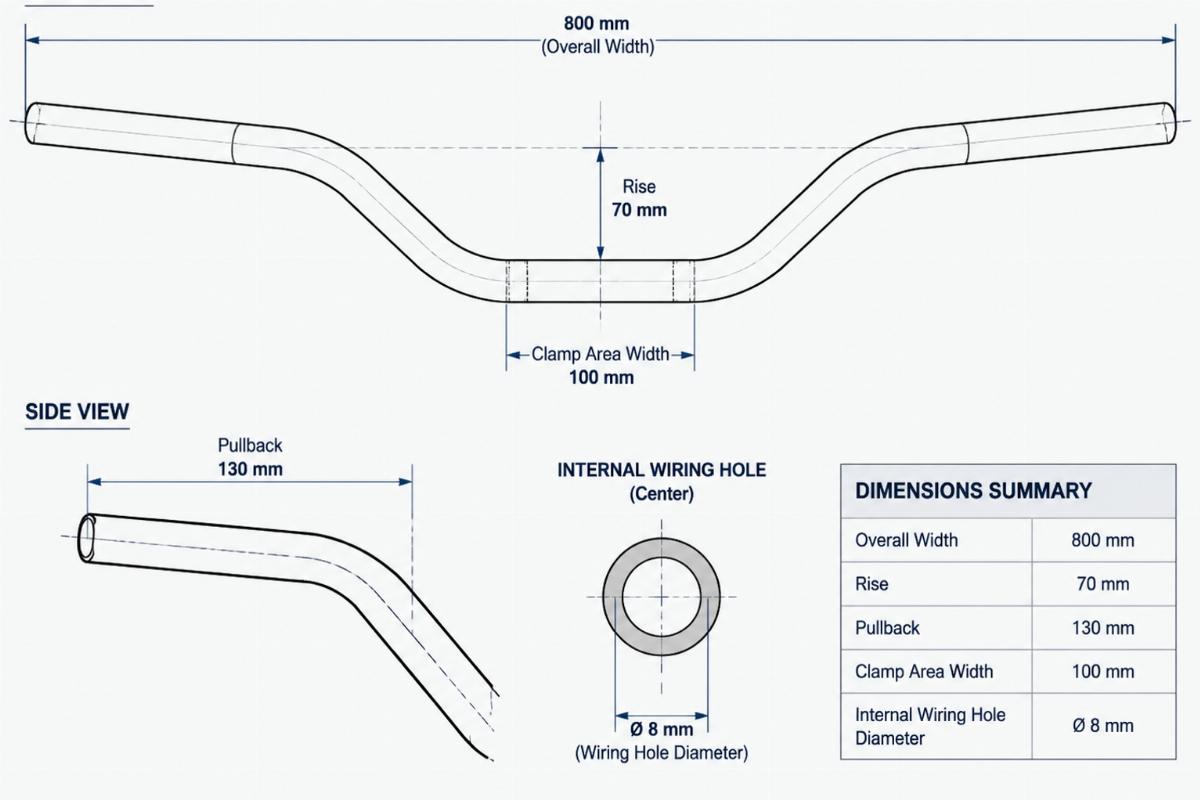
- Internal Wiring Holes: Check if the bar is drilled for internal wiring. Not all frames support internal routing, and some bars are solid while others are hollow. Mismatching these leads to installation failures.
- Pullback and Rise: These determine rider ergonomics and clearance with the fuel tank and forks. A slight increase in pullback can cause the bars to hit the tank at full lock.
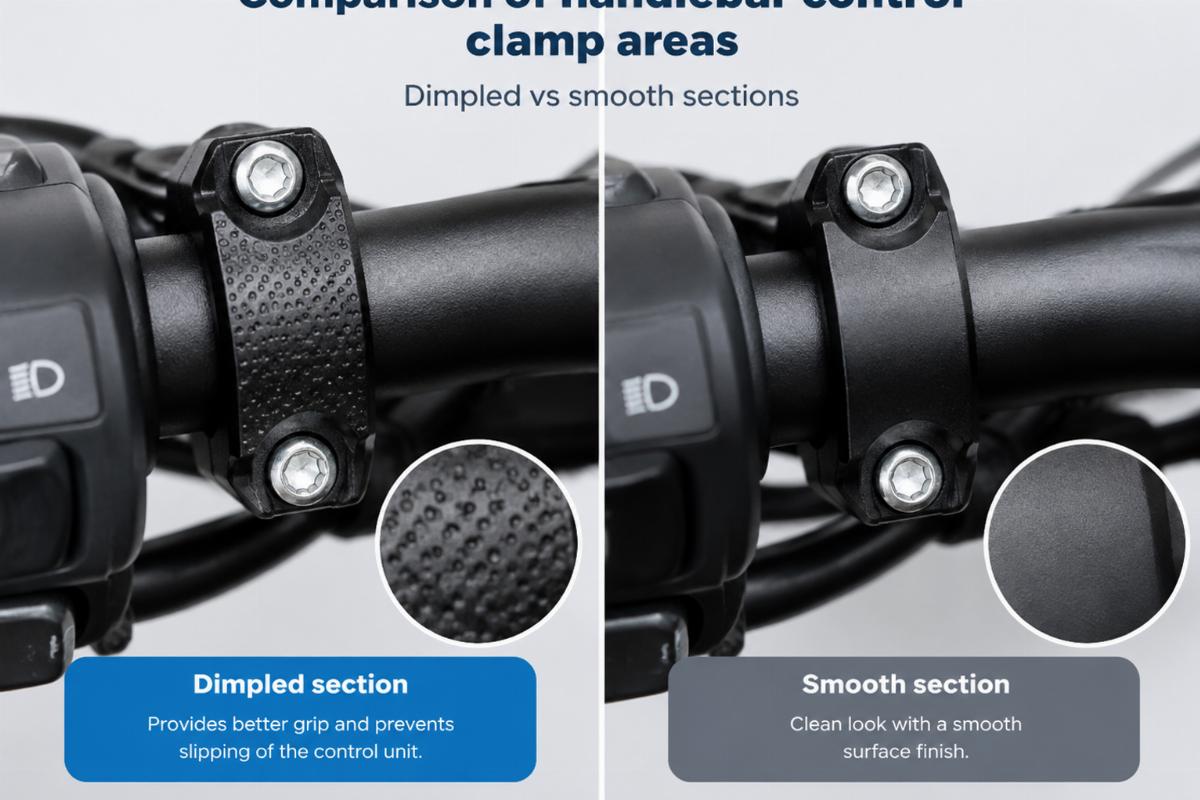
When sourcing from a custom handlebar manufacturing partner, request a detailed fitment sheet. This document should list compatible model years and note any superseded part numbers. Do not rely on generic compatibility lists. Ask for the specific dimensional tolerances for the clamp area. A tolerance of plus or minus one millimeter can be the difference between a secure fit and a slipping control lever. [NEED_CITE: industry standards for motorcycle handlebar dimensional tolerances]
How to Verify Fitment Before Placing Bulk Orders?
Use samples and detailed fitment sheets covering model years and superseded part numbers.
The safest way to mitigate risk is to treat the sample phase as a rigorous validation step, not just a quality check. Many buyers assume low minimum order quantities imply lower quality or less attention to detail. In reality, starting with a small batch allows for thorough physical testing before committing to a full container.
I advise clients to order samples for each major model family they intend to cover. For example, if you are stocking bars for both Harley-Davidson Dyna and Sportster families, do not assume the clamp specifications are identical. They are not. The Sportster often has different triple tree widths and control mounting points.
Here is the verification process I recommend:
- Request Cross-Reference Lists: Ask your supplier for a list of OEM numbers their bars replace. Mark these as reference only. Verify these numbers against your own database for the specific model years you serve.
- Physical Measurement: When the sample arrives, measure the rise, width, pullback, and bar diameter. Compare these measurements against the factory service manual for the target motorcycle. [NEED_CITE: using factory service manuals for fitment verification]
- Test Fitment: Install the sample on a actual motorcycle or a jig that mimics the frame geometry. Check for clearance with the fuel tank, forks, and instrument cluster. Ensure the controls mount securely without modification.
- Check Internal Routing: If the bar is designed for internal wiring, pass a wire through it to ensure there are no obstructions or sharp burrs inside the tube.
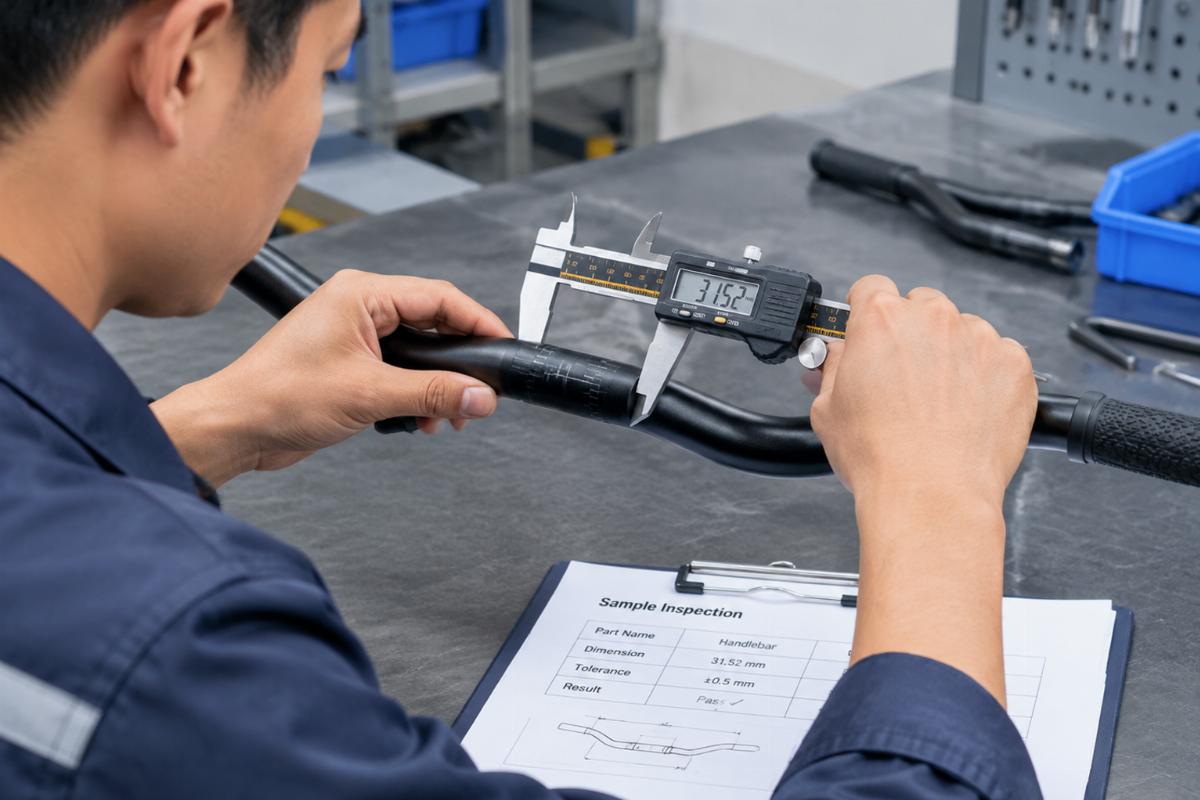
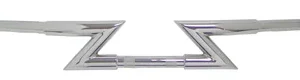
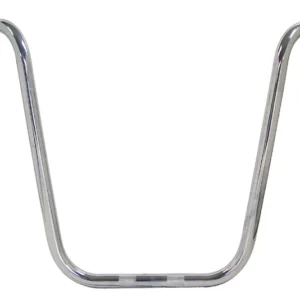
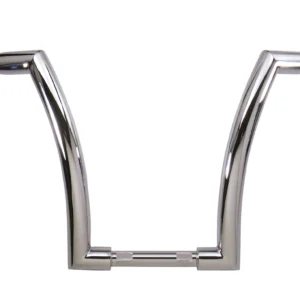
This process highlights discrepancies early. A US buyer once ordered a large shipment of ape hangers based on a photo alone. The sample phase revealed that the welds at the base were too thick, preventing the bars from seating fully in the triple trees. Because they tested the sample first, they avoided a costly bulk rejection. The supplier adjusted the welding jig, and the subsequent bulk order was perfect. This is the value of motorcycle handlebar samples to batch validation.
What Documentation Ensures Smooth Customs Clearance?
Accurate HS codes and feature descriptions prevent re-classification delays.
Customs authorities are increasingly strict about product descriptions. A vague description like “motorcycle parts” is a red flag. For handlebars, the correct classification depends on material, function, and specific features like internal wiring holes.
My experience in Santos taught me that missing details lead to re-classification. If your handlebars have internal wiring channels, they may be viewed differently than solid bars. The HS code must reflect the actual product. Incorrect coding can lead to higher duties, fines, or seizure of goods. [NEED_CITE: customs classification guidelines for motorcycle components]
To ensure smooth clearance, provide your supplier with clear instructions on documentation. They should include:
- Detailed Invoice Description: Specify “Custom aluminum handlebars for motorcycles, with internal wiring channels” rather than just “handlebars.”
- Correct HS Code: Verify the HS code with your local customs broker. Common codes for motorcycle parts vary by region and specific part type.
- Material Certification: If required, provide proof of material composition, especially for aluminum alloys.
- Packing Photos: Include photos of the packed goods showing labels and markings. This helps customs officers verify the contents quickly.
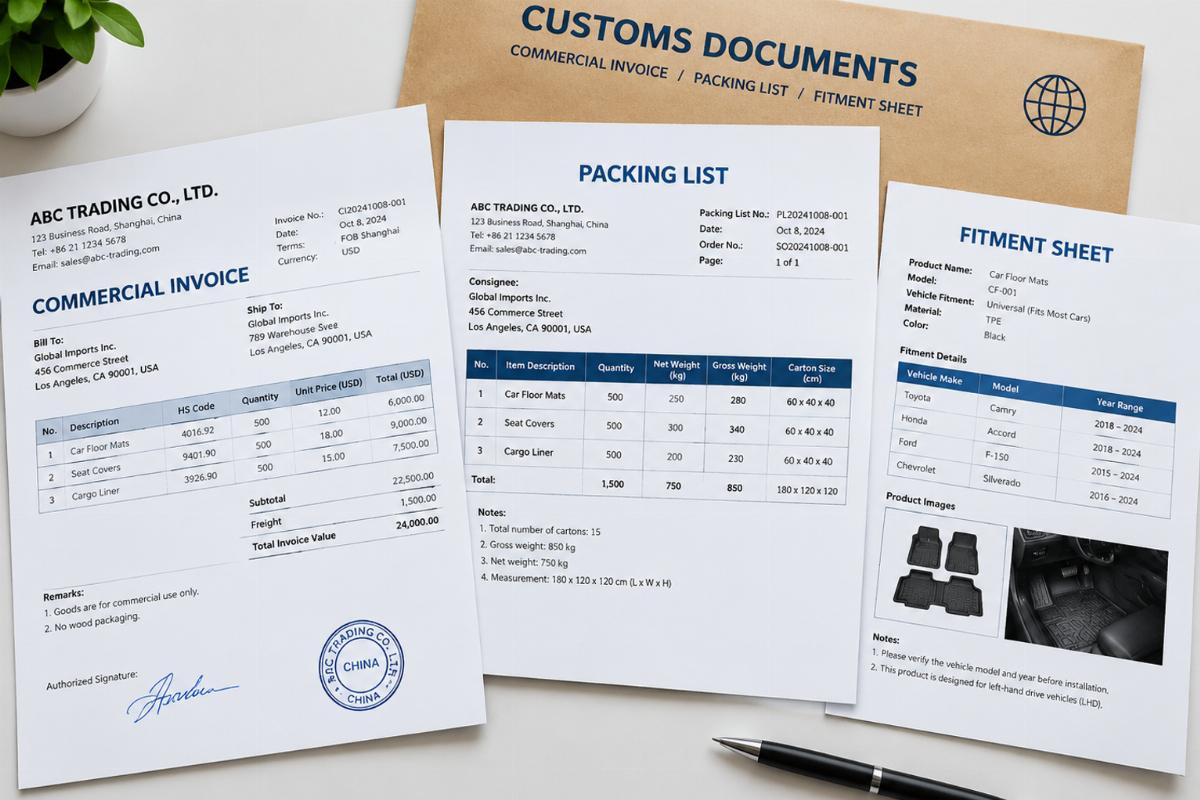
Do not leave this to chance. A missing internal wiring hole detail caused re-classification delays in my past experience. Ensure your wholesale custom bars MOQ agreement includes the provision of accurate customs documentation. This is part of professional custom handlebar manufacturing.
How to Maintain Finish Consistency Across Batches?
Require inspection records and finish specifications for every shipment.
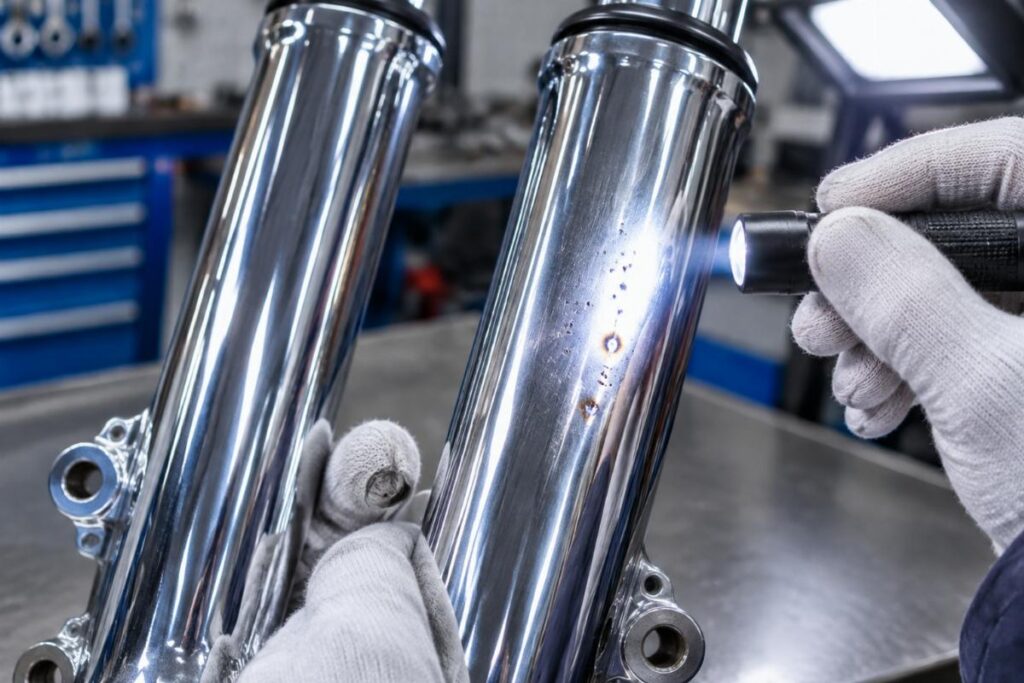
Chrome and black finishes are not just aesthetic; they are protective coatings. Inconsistency between samples and bulk orders is a common complaint. A sample might have a mirror-like chrome finish, while the bulk order arrives with a slightly duller or uneven coating. This variation can lead to customer returns and damage your brand reputation.
The root cause is often a lack of standardized inspection criteria. Suppliers may use different plating baths or curing times for samples versus bulk production. To combat this, you must define the finish specification clearly.
Specify the following in your purchase order:
- Finish Type: Clear chrome, black oxide, powder coat, etc.
- Thickness Requirements: If applicable, specify the minimum coating thickness.
- Inspection Standards: Require the supplier to perform batch inspections and provide records. These records should include photos of random samples from the batch.
- Packaging Protection: Ensure bars are wrapped individually to prevent scratching during transit.
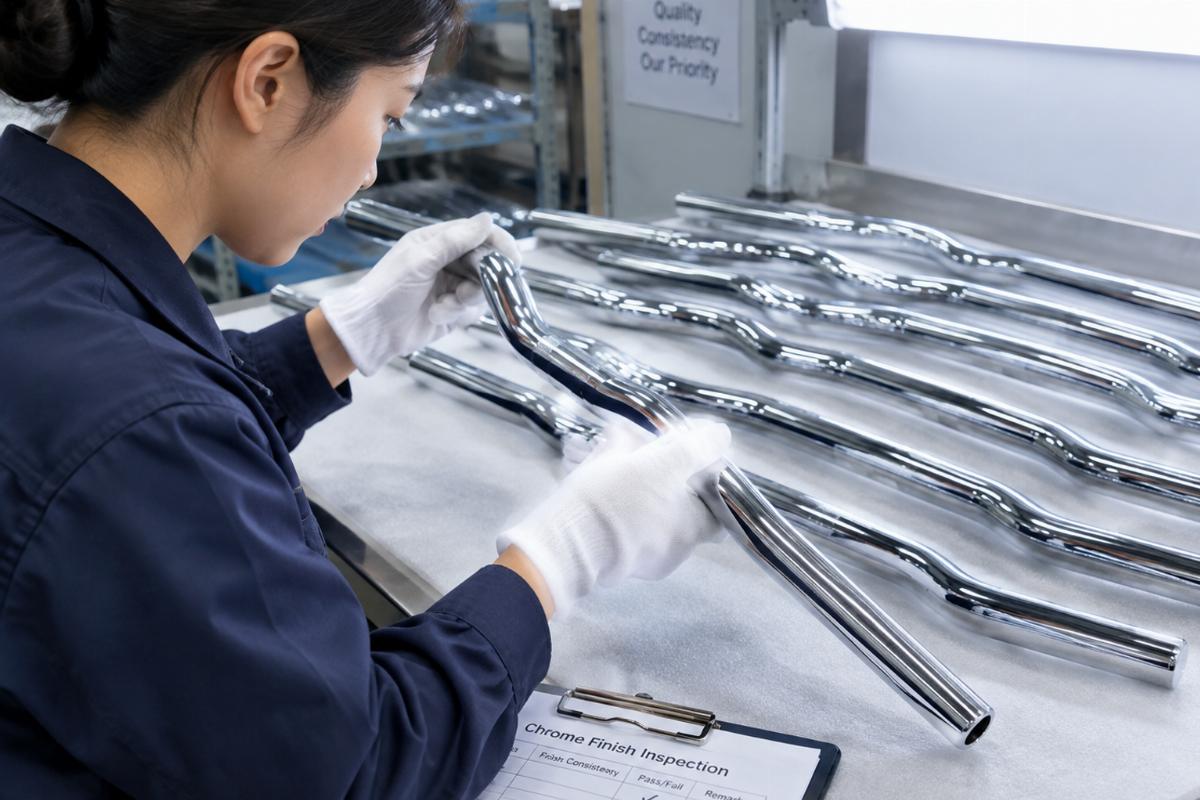
I once dealt with a batch where the chrome variation was noticeable. The supplier had changed their plating vendor without notice. Because we had required inspection records, we caught the issue before the goods left the factory. We rejected the batch and demanded a re-plating. This saved us from dealing with angry end customers.
Consistent finish quality is a hallmark of reliable custom handlebar manufacturing. It shows that the supplier controls their production process and cares about the final product. When evaluating potential partners, ask for examples of their inspection records. A supplier who maintains detailed records is more likely to deliver consistent quality.
Conclusion
Precision in dimensions and documentation prevents costly errors.
Sourcing custom handlebars for V-twin motorcycles requires a disciplined approach. Verify fitment using samples and detailed data, not just part numbers. Ensure customs documentation accurately reflects product features to avoid delays. Demand consistent finish quality through strict inspection protocols. By focusing on these technical and procedural details, you reduce risk and build a reliable supply chain. This is the essence of professional custom handlebar manufacturing.