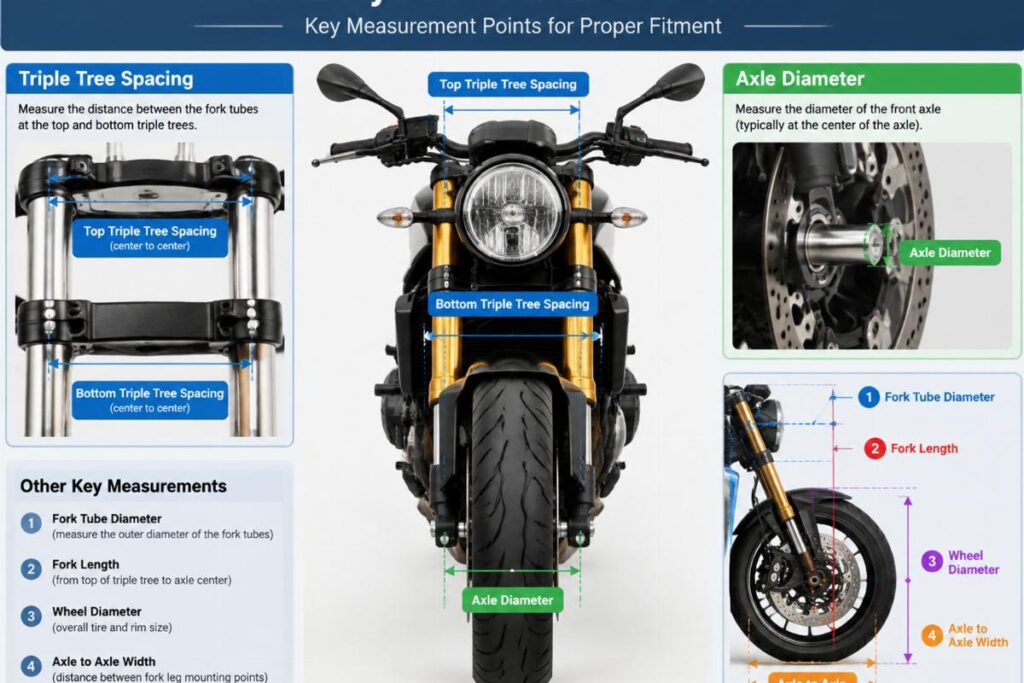

Wholesale Chrome Plated Moto Parts Quality Checks Before Shipping
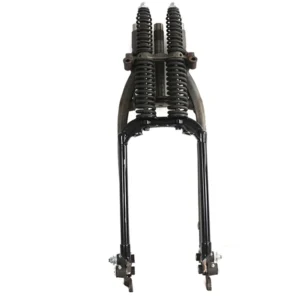
Shiny surfaces lie. A mirror finish on a springer fork leg can hide poor underlying preparation, inadequate sealing at edges, or insufficient anti-rust protection that fails the moment humidity hits.
Rigorous pre-shipment inspection of chrome plating integrity and volatile corrosion inhibitor (VCI) packaging is the only reliable method to prevent costly claims on imported V-twin components. Visual appeal alone does not guarantee durability during ocean transit. Buyers must verify finish consistency under high-lux lighting, confirm adhesion strength, and ensure vapor barrier protocols are strictly followed before goods leave the factory floor.
Moving from customs clearance documentation to sales desk reviews taught me that paperwork rarely matches physical reality. I once managed a shipment of chrome-plated springer fork legs destined for a custom shop in Lagos. The commercial invoice and packing list were flawless. The photos sent by the factory showed gleaming metal. Yet, when the container arrived at the humid Apapa port, the buyer reported widespread blistering and pitting. The chrome had lifted because moisture trapped in non-breathable wrapping reacted with microscopic flaws in the plating. That claim nearly erased the margin on the entire order. Now, I do not just check documents. I walk the production floor. I inspect the chrome plating quality check motorcycle parts process personally, focusing on the steps that actually prevent transit damage and fitment issues.
Why Do Chrome Parts Fail During Ocean Transit?
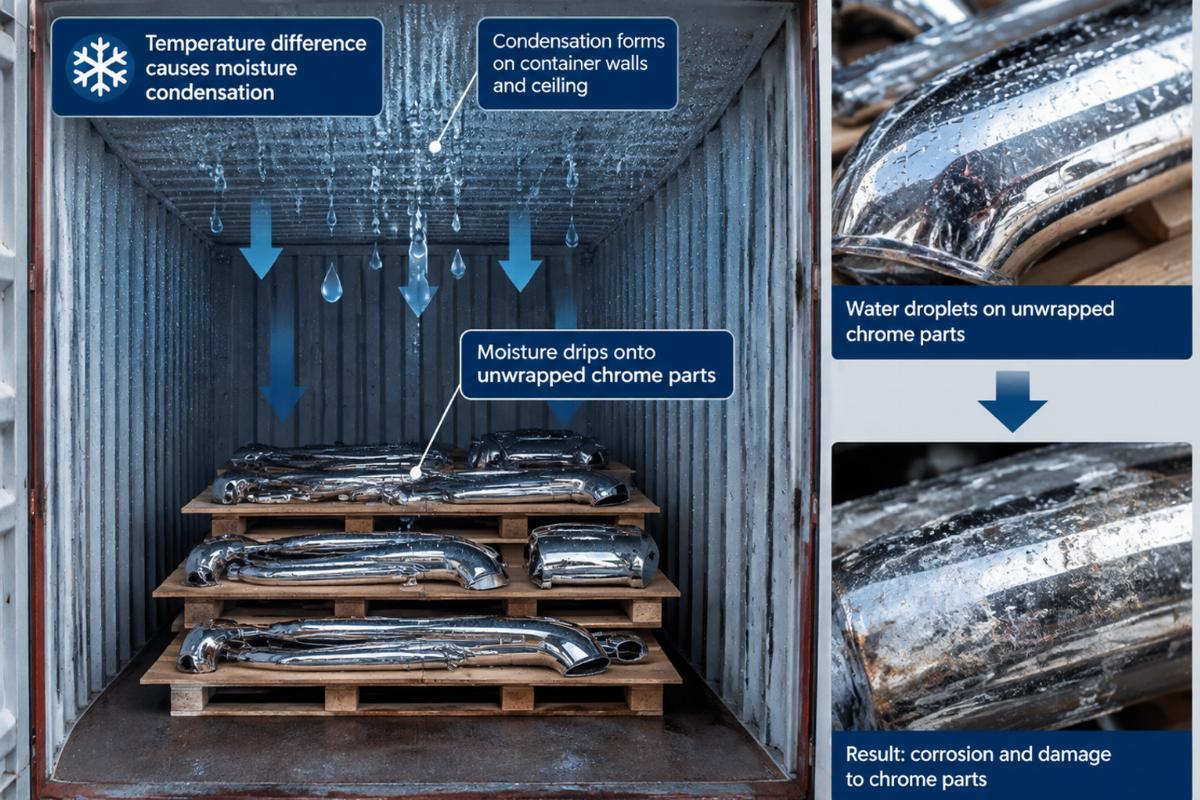
Humidity and poor vapor barrier protection cause blistering, not just poor plating quality. Many purchasers assume that if the chrome looks good at the factory, it will arrive in the same condition. This is a dangerous misconception. Ocean freight involves significant temperature fluctuations that lead to condensation inside containers. If parts are wrapped in standard plastic without active corrosion inhibition, this moisture becomes trapped against the metal surface.
The failure usually starts at the edges or threads. Chrome plating is porous at a microscopic level. Without proper sealing or VCI protection, salt-laden air penetrates these pores. Once moisture reaches the base metal, oxidation begins beneath the chrome layer. This causes the plating to lift, creating blisters that eventually crack and peel. This is not a manufacturing defect in the traditional sense; it is a packaging failure.
To mitigate this risk, manufacturers must use VCI (Volatile Corrosion Inhibitor) paper or film. This material releases vapor-phase inhibitors that form a protective molecular layer on the metal surface. However, simply including VCI paper is not enough. It must be the correct grade for ferrous metals and applied in a sealed environment. [NEED_CITE: effectiveness of VCI packaging in marine environments per ASTM standards]
A common mistake is using thin, non-breathable polyethylene bags that trap ambient humidity from the factory floor. If the parts are packed while still warm from polishing or plating baths, the cooling process creates immediate condensation inside the bag. By the time the container opens weeks later, the damage is irreversible. Ensuring that parts are completely dry and cool before wrapping, and using breathable yet protective VCI materials, is critical. This step is often overlooked in favor of speed, but it is the primary defense against the “Lagos scenario” where an entire batch becomes scrap metal due to preventable environmental exposure. When evaluating a supplier, ask specifically about their chrome plating quality check motorcycle parts protocol regarding packaging, not just the plating bath itself.
What Are the Critical Visual Inspection Points?
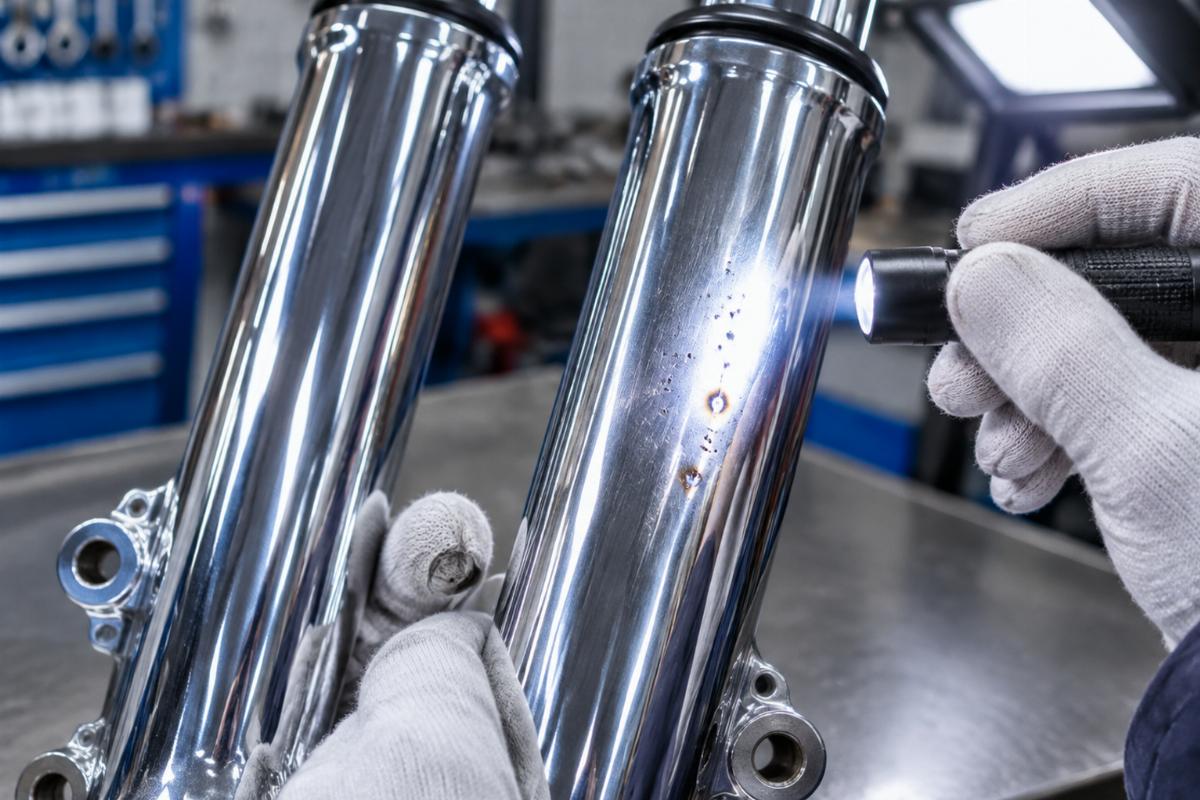
Check edges, threads, and hidden surfaces for burns or incomplete coverage under bright light. A casual glance under standard warehouse lighting will miss the defects that lead to customer returns. Professional inspection requires high-lux lighting, ideally between 1000 and 1500 lux, to reveal subtle imperfections in the chrome finish.
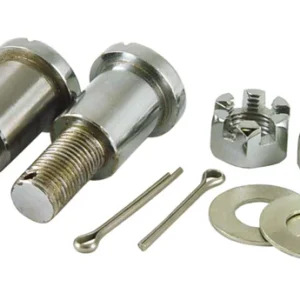
The most vulnerable areas are not the flat, visible surfaces but the complex geometries. Threads on axle hardware, the inner curves of rocker covers, and the edges of fork legs are prone to “burns”—areas where the current density during electroplating was too high, resulting in rough, darkened, or brittle chrome. These spots are not just aesthetic flaws; they are structural weak points where corrosion will start immediately upon exposure to road salts or humidity.

Another critical check is for “holidays” or missed spots. These are small areas where the base metal was not covered by chrome, often due to poor racking or shielding during the plating process. On a springer front end, these might be hidden inside the mounting brackets. If left unchecked, these bare spots will rust quickly, staining the surrounding chrome and compromising the part’s integrity.
Adhesion is another key factor. A simple tape test can verify bond strength. Applying a standardized adhesive tape to the chrome surface and pulling it off at a specific angle can reveal if the plating is properly bonded to the substrate. If any chrome lifts with the tape, the entire batch is suspect. [NEED_CITE: adhesion testing methods for electrodeposited coatings per ISO standards]
Furthermore, color consistency across a batch is vital for distributors selling to restorers. A slight variation in hue between the left and right fork legs, or between different batches of handlebars, can make a bike look unprofessional. Inspecting multiple units side-by-side under consistent lighting helps identify these discrepancies. This is why random sampling from different pallets is necessary, not just checking the top box. A thorough chrome plating quality check motorcycle parts routine includes these detailed visual assessments to ensure that what shines in the factory also shines in the showroom.
How to Verify Anti-Rust Packaging Effectiveness?
Ensure VCI wrapping is correctly applied and sealed to prevent condensation damage. Packaging is not an afterthought; it is an integral part of the product’s preservation system. Many suppliers claim to use VCI protection, but the execution often falls short. Verification requires checking both the material specifications and the application method.
First, confirm the type of VCI material used. Not all VCI papers are created equal. Some are designed for short-term domestic shipping, while others are rated for long-term ocean freight. The supplier should provide documentation specifying the VCI grade and its expected protection duration. [NEED_CITE: classification of volatile corrosion inhibitors for export packaging]
Second, inspect the sealing method. VCI works by saturating the enclosed air space with inhibiting vapors. If the package is not sealed tightly, these vapors escape, and moist external air enters. For heavy items like springer assemblies, this often means using heat-sealed VCI bags rather than just wrapping with VCI paper. For smaller hardware, double-bagging with VCI inserts may be sufficient.
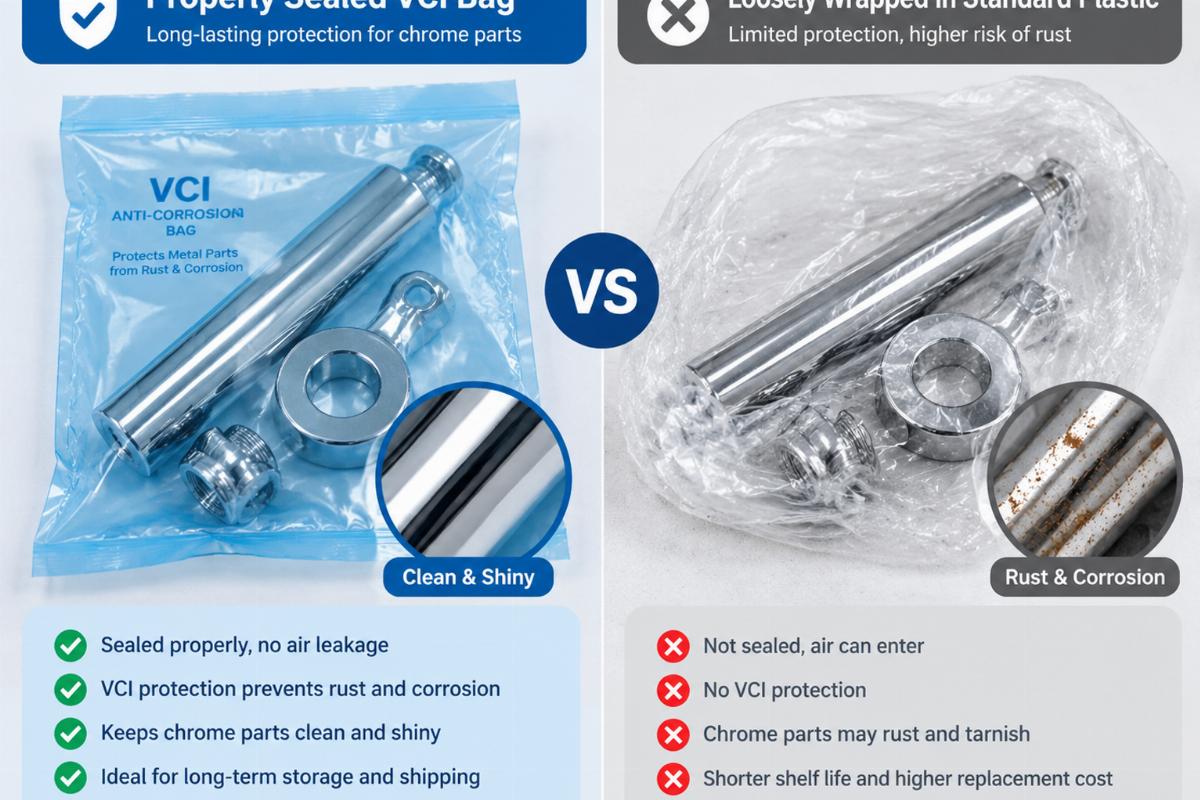
A practical way to verify this is to request packing photos from the supplier. Look for evidence of desiccants alongside VCI materials. While VCI handles vapor-phase corrosion, desiccants control relative humidity within the package. Using both provides a layered defense. Also, check if the parts are separated from direct contact with cardboard, which can absorb moisture and transfer it to the metal. Plastic spacers or additional VCI wraps should be used to isolate the chrome from porous packaging materials.
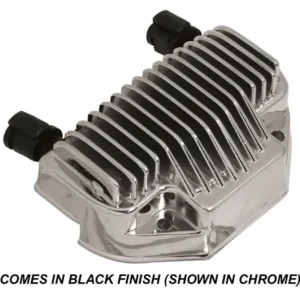
In my experience, the difference between a rejected shipment and a satisfied customer often comes down to this layer of protection. A US buyer once received a mixed container of controls and charging system parts. The voltage regulator rectifiers were packed with minimal care, while the chrome handlebars were meticulously VCI-wrapped. The regulators showed surface rust, but the chrome remained pristine. This disparity highlighted that the packaging protocol was applied inconsistently. Ensuring uniform application across all chrome plating quality check motorcycle parts lines is essential for maintaining brand reputation.
Which Documentation Proves Quality Compliance?
Request inspection records and packing photos to verify pre-shipment conditions. Trust is built on transparency, and documentation is the proof of that transparency. Verbal assurances are insufficient when dealing with international shipments. Buyers need tangible records that demonstrate the supplier’s adherence to quality standards.
Essential documents include a detailed inspection report that goes beyond a simple pass/fail checkbox. It should note the number of units inspected, the lighting conditions used, and any minor deviations found. For chrome parts, this report should specifically mention the results of visual checks for pits, burns, and adhesion tests. [NEED_CITE: standard inspection report formats for aftermarket automotive parts]
Additionally, packing photos are crucial. These should show the actual goods being wrapped, the VCI materials being used, and the final sealed packages. Timestamped photos provide verifiable evidence that the correct procedures were followed at the time of shipping. This documentation helps distributors minimize returns by providing a baseline for quality. If a claim arises, these records can help determine whether the issue originated in production or during transit.
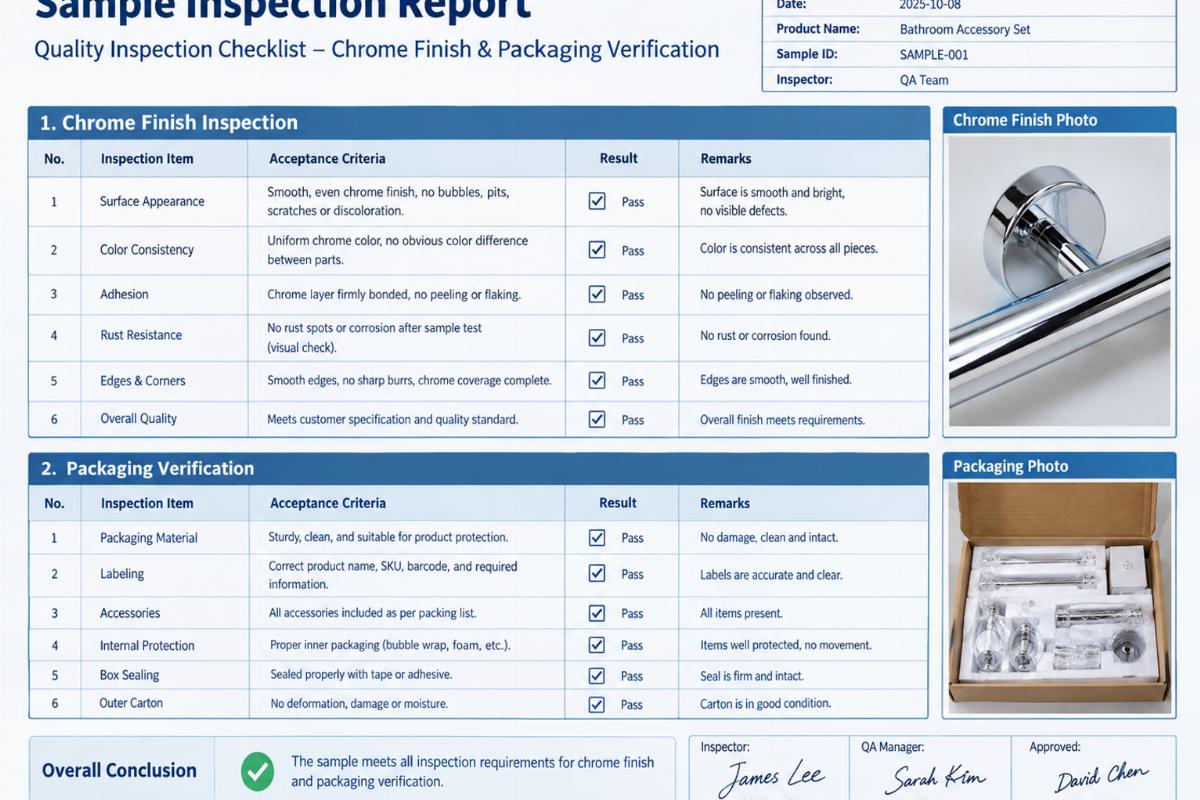
Fitment sheets are also part of this compliance package. For V-twin components, ensuring that the part fits the specific model year is as important as the finish. A cross-reference sheet that links OEM numbers to the aftermarket part, marked clearly as reference only, helps buyers catalog items accurately. This reduces the likelihood of returns due to fitment errors, which are often mistaken for quality issues.
By demanding these documents, buyers signal that they are serious about quality. Suppliers who cannot provide detailed inspection records or clear packing photos are likely cutting corners. In the competitive aftermarket sector, where fitment and finish are paramount, having this documentation is a key differentiator. It transforms a transaction from a gamble into a verified procurement process. Integrating these checks into your chrome plating quality check motorcycle parts strategy ensures that every shipment meets the high expectations of discerning riders and builders.
Conclusion
Quality is verified, not assumed. Rigorous pre-shipment inspections and robust VCI packaging are non-negotiable for protecting chrome motorcycle parts during global transit. By focusing on visual details, adhesion strength, and documented packaging protocols, buyers can significantly reduce the risk of costly claims and build a reliable supply chain for V-twin components.