
Most buyers assume machining is the bottleneck. It is not.
Lead times for custom springer forks and sissy bars are primarily driven by raw material procurement queues and surface treatment cycles, not CNC machine hours. Accurate scheduling requires breaking down the process into four distinct phases: material sourcing, fabrication, finishing, and logistics. For V-twin distributors, planning must account for seasonal plating congestion and fitment revision loops to avoid missing peak riding seasons.
I have watched more than one shipment miss the Sturgis rally window because a purchasing manager looked only at the machining estimate. The shop floor can cut metal fast, but it cannot force a special alloy to appear in stock or speed up the curing time of chrome layers. In my years handling orders from Dongguan workshops to Los Angeles distributors, I learned that the invisible wait times are what kill delivery schedules. A California builder once requested a two-inch extension on a springer front end with a matching high-rise sissy bar. The quote promised a standard turnaround, but the timeline collapsed when the specific spring steel required for the extended load was out of stock. We waited weeks just to start cutting. That delay was not a failure of effort; it was a failure of supply chain visibility. Understanding these hidden intervals is critical for anyone managing inventory for American V-twin motorcycles. 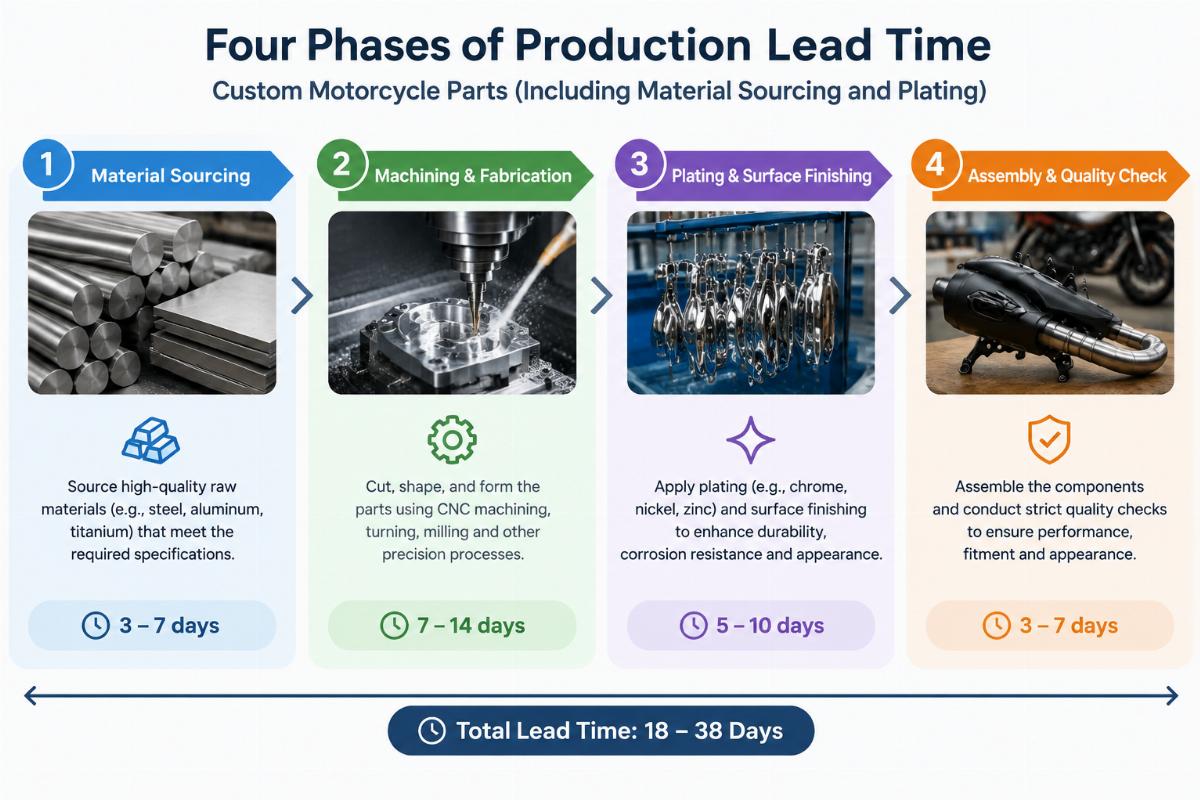
To manage expectations effectively, you must look beyond the workshop clock. The following breakdown explains where the time actually goes and how to build a realistic procurement schedule.
Why Do Custom Springer Forks Take Longer Than Standard Parts?
Non-standard materials and the lack of pre-made jigs extend the initial phase of production significantly compared to mass-produced items.
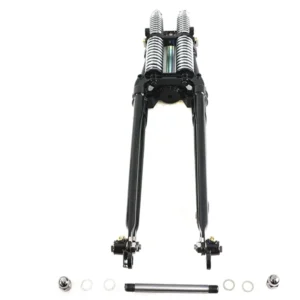
When you order a standard replacement part, the manufacturer likely has bins full of semi-finished blanks ready to go. Custom work starts from zero. The first major variable is material availability. Standard mild steel or common aluminum alloys are usually in stock. However, custom springer forks often require specific grades of spring steel or heavy-wall tubing to handle the increased leverage of an extended front end. If the mill does not have that specific diameter or temper in inventory, the clock does not start until the raw material arrives. [NEED_CITE: typical lead times for special alloy steel procurement vs standard stock]
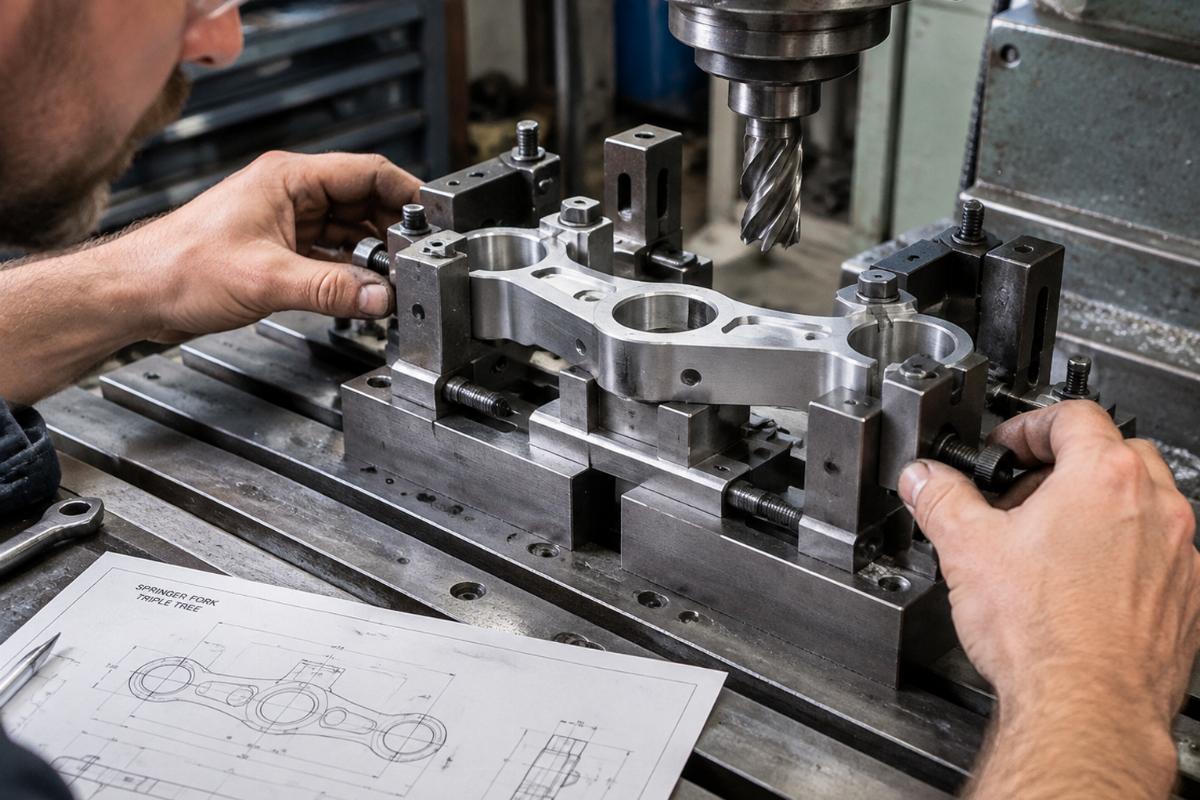
The second factor is setup time. Mass production uses dedicated jigs that allow operators to load and unload parts in seconds. A one-off custom springer fork requires the machinist to design and build a new fixture to hold the irregular geometry securely during milling and welding. This setup process can take as long as the machining itself. Many buyers assume “custom” means faster or more flexible, but without standardized tooling, the initial setup slows down the entire batch.
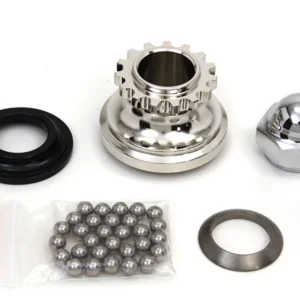
Consider the case of a European distributor who ordered a small batch of custom triple trees for a Shovelhead restoration project. The machining time was estimated at three days. However, the shop had to source a specific grade of billet aluminum that met the density requirements for heavy-duty use. The material took over a week to clear customs and reach the factory floor. Then, the machinists spent two days creating a custom vise setup to ensure the neck angle was precise before a single cut was made. The total lead time was nearly triple the machining estimate. This is why relying solely on machine hour estimates is a dangerous practice for procurement planning.
How Does Surface Finish Impact Production Timeline?
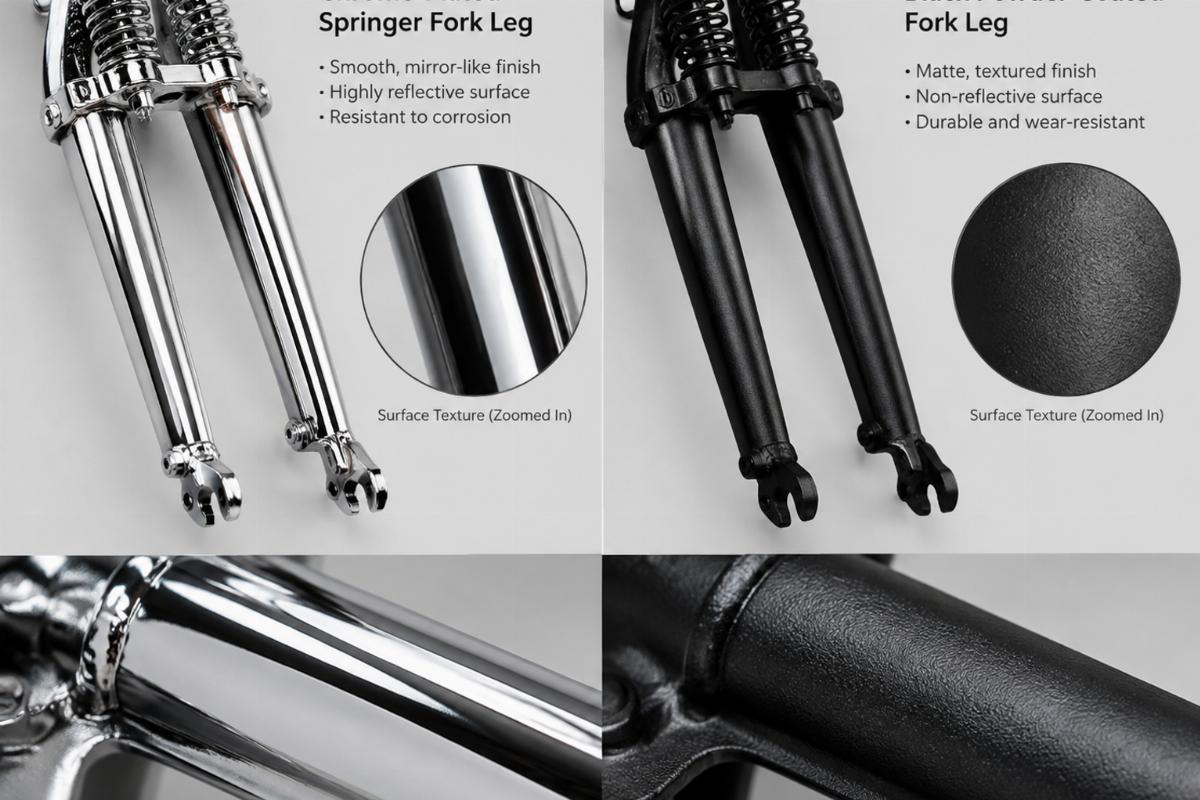
Chrome plating involves multiple layers, polishing, and curing cycles that significantly extend lead time compared to black finishes like powder coat or oxide.
The choice of finish is often the single biggest determinant of final delivery date. A black powder coat or black oxide finish can be applied and cured in a matter of days. These processes are largely automated and have shorter queue times. Chrome, however, is a labor-intensive, multi-stage process that is highly susceptible to bottlenecks.
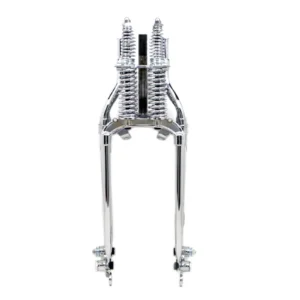
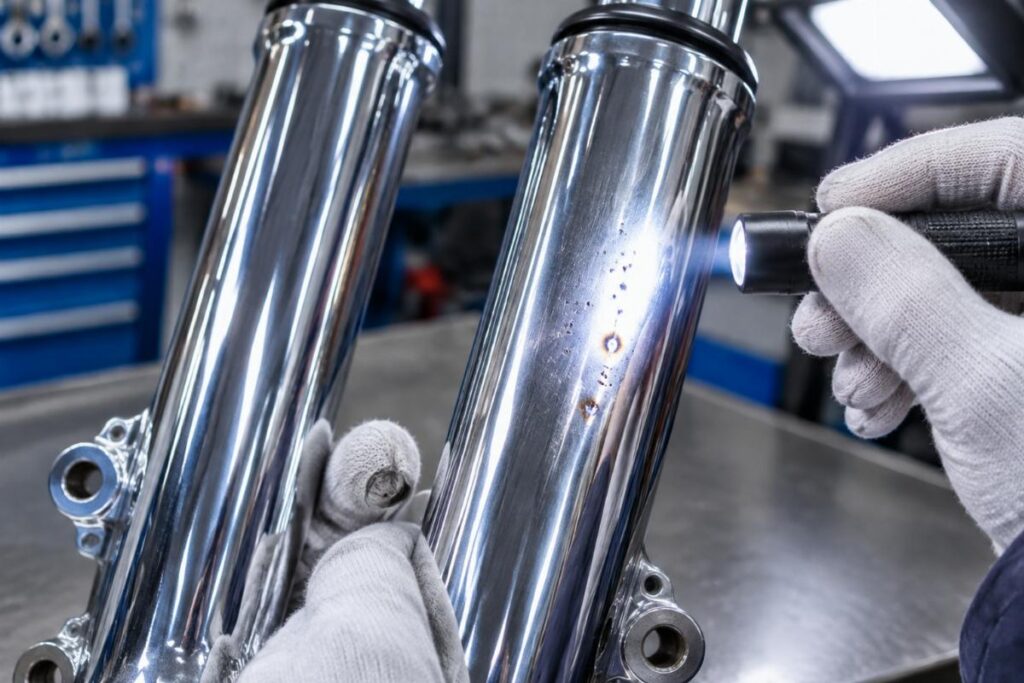
True triple-chrome plating requires copper, nickel, and chrome layers. Each layer must be applied, inspected, and often polished before the next is added. If a pit or imperfection is found after the nickel stage, the part may need to be stripped and restarted. This risk of rework adds unpredictable time to the schedule. Furthermore, plating shops operate on a batch basis. Your forks do not go into the tank alone; they wait in a queue with hundreds of other parts from various manufacturers. During peak seasons, such as the months leading up to major rallies, these queues can grow substantially. [NEED_CITE: industry data on plating shop capacity utilization during peak seasons]
A US buyer once ordered a set of springer forks with a high-polish chrome finish. The machining was completed on schedule, but the plating shop was backlogged due to a surge in demand from multiple aftermarket brands. The forks sat in the queue for weeks. When they finally emerged, a minor scratch was found during quality control, requiring a partial strip and re-plate. This added another cycle of waiting. In contrast, a similar order with a black powder coat finish would have moved through the finishing stage in a fraction of the time. Distributors must weigh the aesthetic appeal of chrome against the reliability of faster, more durable black finishes when planning for tight deadlines.
What Are the Hidden Delays in Custom Sissy Bar Fabrication?
Fitment verification and weld stress relief processes add critical days to the timeline that are often overlooked in initial quotes.
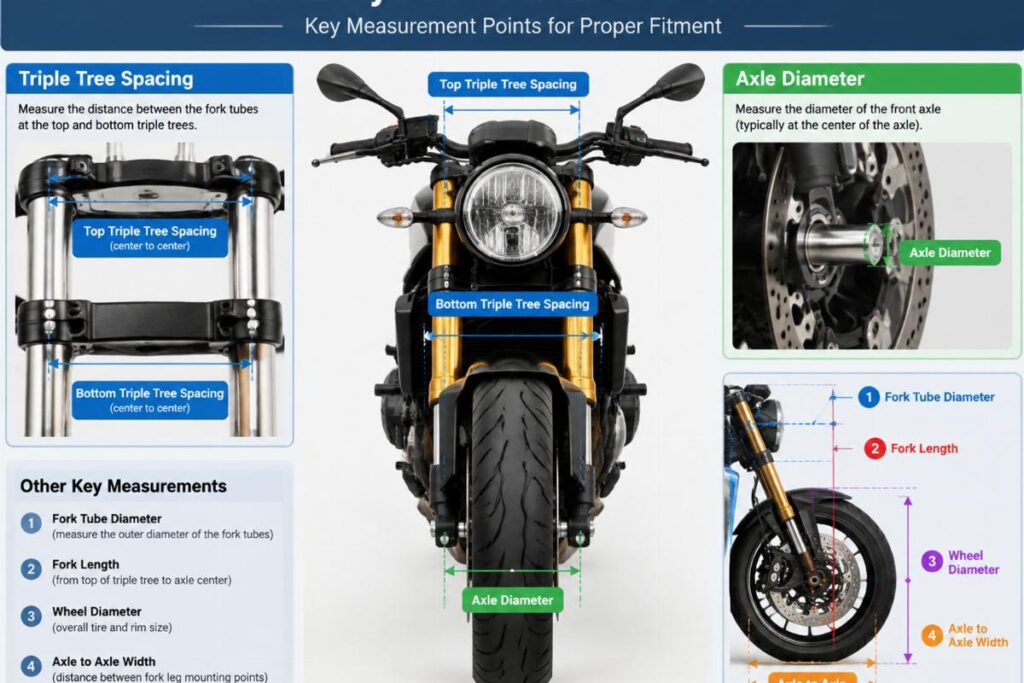
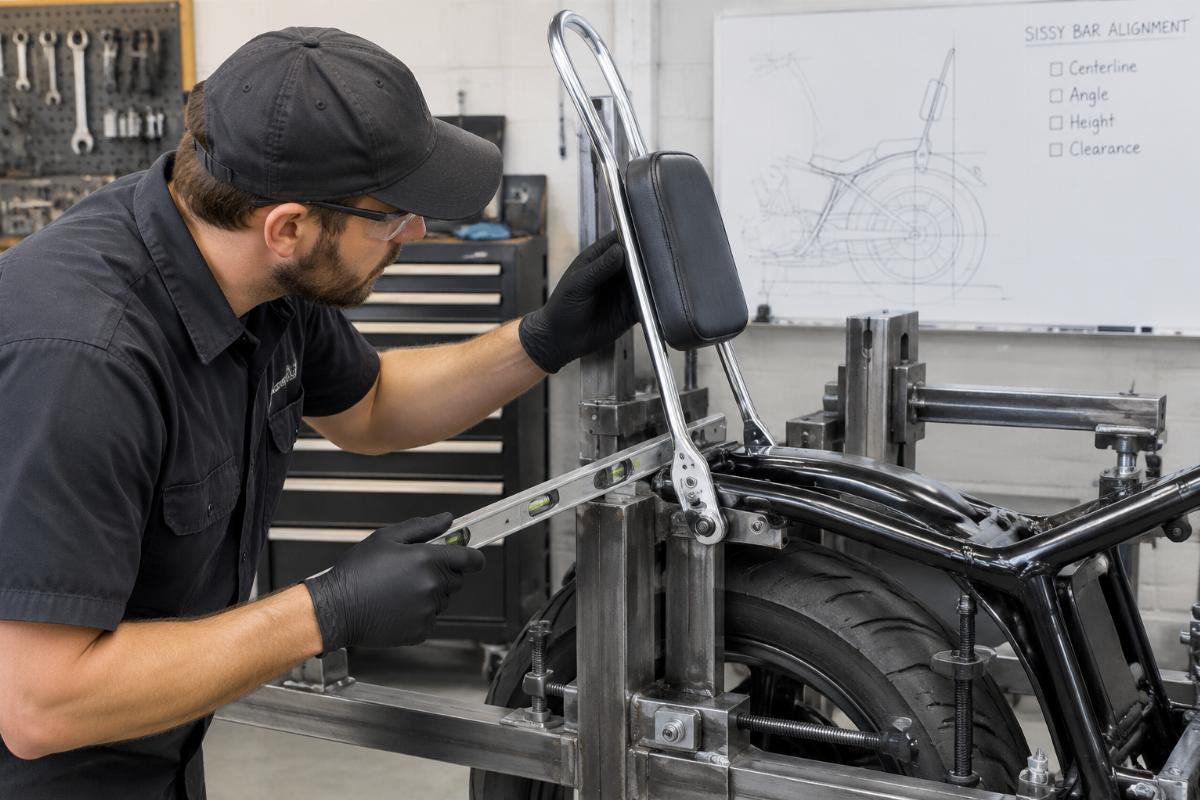
Sissy bars seem simple, but their customization introduces complex fitment challenges. Unlike a universal part, a custom sissy bar must align perfectly with the specific rear fender struts and seat pan of a particular model year. If the buyer provides incomplete fitment data, the manufacturer may produce a part that does not bolt on correctly. This triggers a revision loop: the part is shipped back, measured, re-machined, and shipped again. This cycle can add weeks to the lead time.
Another hidden delay is weld stress relief. Custom sissy bars often involve welding thick-wall tubing to mounting plates. To prevent cracking under vibration, these welds should undergo a stress relief process or be carefully heat-treated. Skipping this step risks product failure, but including it adds time to the production schedule. Some shops skip this to save time, but reputable manufacturers include it as a non-negotiable quality step.
I recall an order for a batch of sissy bars intended for a fleet of Softail models. The buyer provided only the model name, not the year range. The shop fabricated the bars based on a mid-year specification. Upon arrival, the customer found that the mounting holes did not align with the earlier model year frames in their inventory. The entire batch had to be reworked. This could have been avoided with a simple fitment sheet cross-reference. [NEED_CITE: importance of model year specificity in motorcycle part fitment] Providing detailed model year and fitment details early allows for accurate cross-referencing and prevents these costly revision delays.
How to Plan Your Procurement Schedule for Peak Seasons?
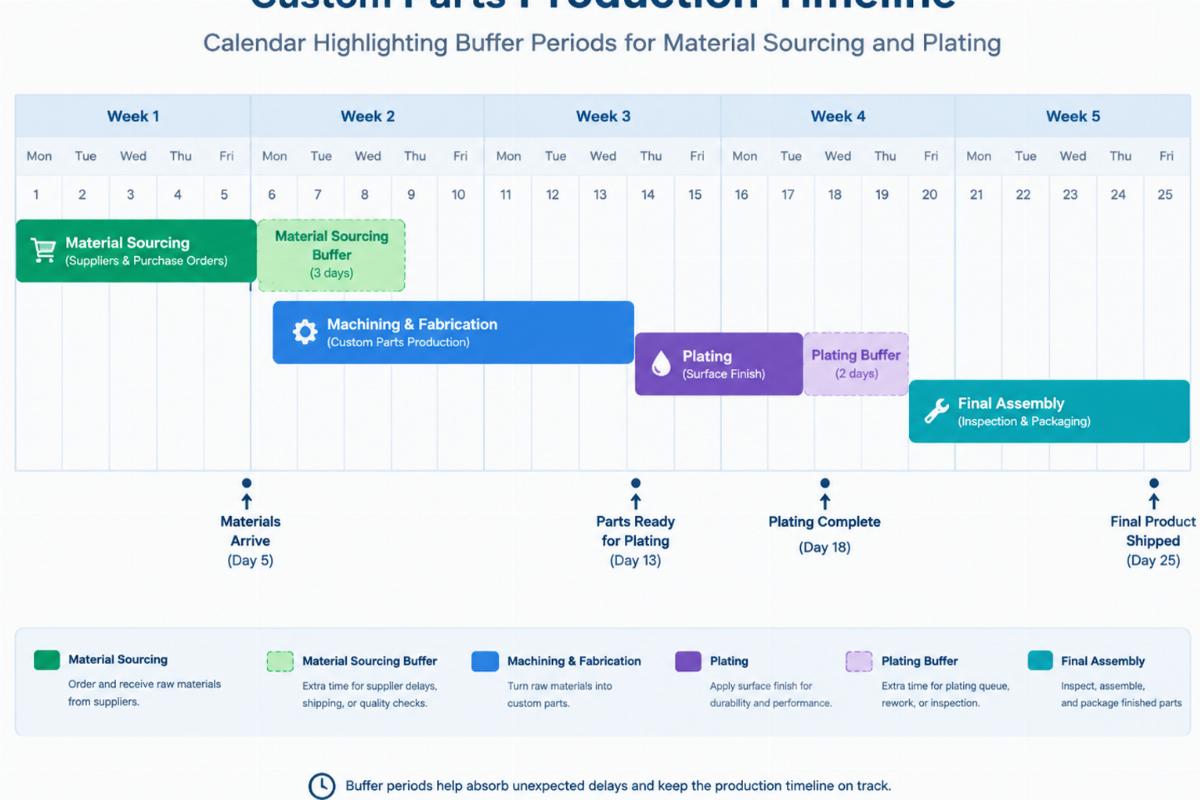
Add buffer time for material sourcing and freight to avoid missing key riding seasons, and confirm fitment details before production starts.
Seasonal variance is a real factor in manufacturing capacity. The months preceding major riding events see a spike in orders across the industry. Shops become congested, and plating lines slow down. To navigate this, distributors must plan backward from their desired shelf date, not forward from the order date.
Start by confirming the fitment. Send your model and year details to the supplier early. Request a fitment sheet or cross-reference document before placing the bulk order. This step ensures that the parts produced will match your customers’ bikes, eliminating the risk of returns and rework. Next, account for material lead times. If your custom springer forks require special steel, ask about current stock levels. If the material is not in stock, add the procurement time to your schedule.
Then, consider the finish. If you need chrome, add extra weeks for potential queue delays. If speed is critical, consider black finishes which move faster through the production line. Finally, factor in logistics. Freight transit times can vary, and customs clearance can add unexpected days. Building a buffer into each of these phases creates a realistic timeline that protects your inventory plans.
By treating the lead time as a sum of its parts—material, machining, finishing, and logistics—you can create a procurement schedule that reflects reality rather than optimism. This approach helps you maintain consistent stock levels and meet customer expectations without the stress of last-minute delays.
Conclusion
Accurate lead times come from understanding the entire supply chain, not just the machining process.
Custom springer forks and sissy bars require careful planning due to material sourcing, finishing queues, and fitment verification. By breaking down the production timeline into its core components and accounting for seasonal variances, distributors can manage inventory more effectively. Prioritizing clear communication on fitment and finish choices early in the process prevents costly delays and ensures timely delivery for your customers.