
How to Get a Fitment-Confirmed Quote for Custom Harley Parts
A price is irrelevant if the part doesn’t bolt on.
To secure an accurate fitment-confirmed quote custom motorcycle parts, you must lock down the model year, fork diameter, and axle size before requesting commercial terms. Without these specific dimensions, any pricing provided is merely a guess that leads to unbillable returns and wasted freight costs.
I learned this lesson the hard way on the shop floor in Qingdao. Early in my career, I quoted a Texas custom builder a set of springer front ends based solely on a generic part number. He placed the order, and when the crates arrived at his shop, nothing aligned. The triple tree spacing was off by a fraction of an inch, and the length over stock did not match his frame geometry. The return freight alone ate our entire margin. That sting reshaped how I approach every inquiry. Now, I never send a quote for Harley or XS650 parts until the critical fitment data is verified. A low price means nothing if the assembly fails. [NEED_CITE: common causes of aftermarket parts returns in motorcycle industry]
This process protects both the buyer and the supplier. By prioritizing technical verification over immediate pricing, you ensure that the fitment-confirmed quote custom motorcycle parts you receive is actionable and accurate.
Why Bare Part Numbers Lead to Costly Mistakes?
Relying on original equipment manufacturer (OEM) numbers alone is a frequent source of error in aftermarket procurement. Many buyers assume that an OEM number guarantees compatibility across all years of a model family. In reality, superseded numbers and mid-year production changes often break compatibility. [NEED_CITE: history of OEM part number supersession in motorcycle manufacturing]
When a purchasing manager requests a quote using only a bare part number, they are inviting risk. Manufacturers may update designs subtly, changing bearing sizes or mounting hole patterns without altering the primary function of the part. If the supplier does not cross-reference this number against the specific model year and production run, the quoted item may look correct on paper but fail in the workshop.
Consider the case of a European distributor who ordered charging system components for late-model Evolution engines. The part number matched the catalog, but the regulator connector type had changed mid-production. The mismatch prevented installation, forcing the distributor to absorb the cost of return shipping and restocking. This scenario is avoidable. By requiring a fitment check that includes the model year range and connector type, buyers can prevent such errors.
The solution is to treat OEM numbers as marked reference only. They serve as a starting point for identification, not a final guarantee of fit. A reliable fitment-confirmed quote custom motorcycle parts process involves verifying these numbers against current production specifications and known supersessions. This step ensures that the part you receive matches the physical requirements of your inventory or build project.
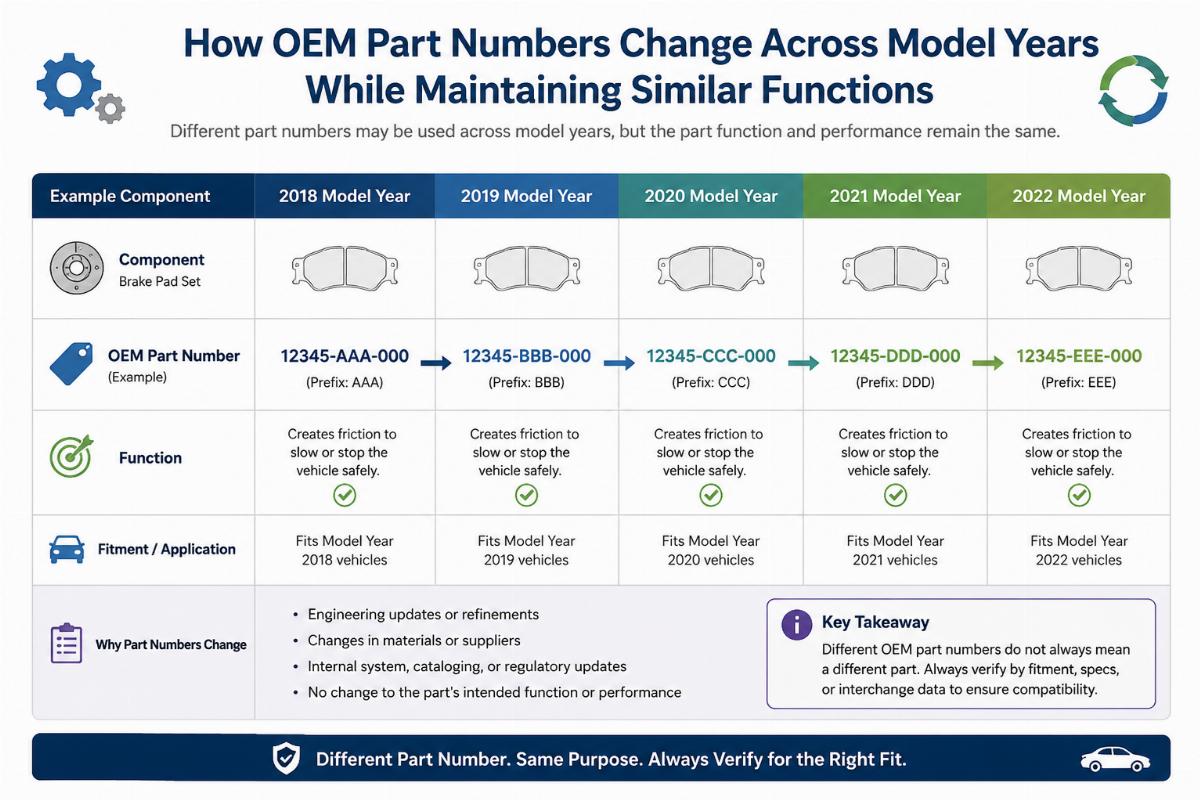
Without this verification layer, quotes are guesses. And guesses result in returns that damage profitability and delay projects.
Which Dimensions Define Fitment for Springers and Forks?
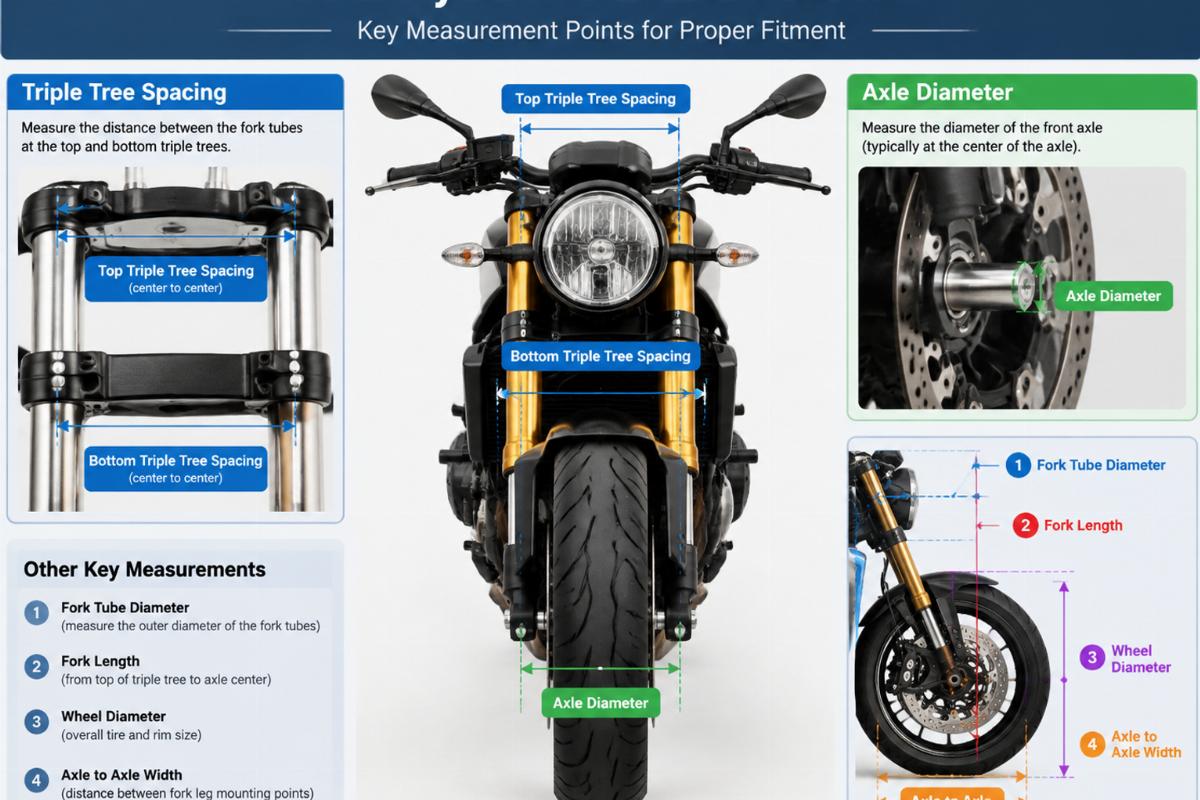
For custom builders and shops specializing in V-twin motorcycles, understanding the critical dimensions of front end components is essential. A fitment-confirmed quote custom motorcycle parts must address three key areas: triple tree spacing, tube diameter, and axle size. Ignoring any of these leads to assembly failure.
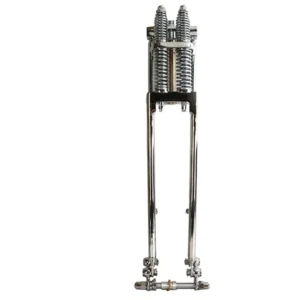
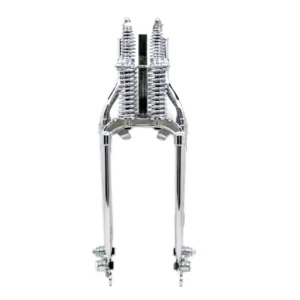
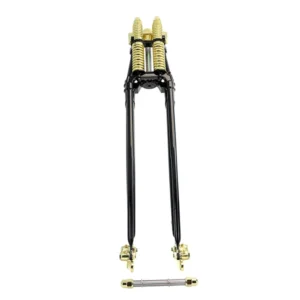
Springer front ends are particularly sensitive to geometry. The length over stock determines the rake, trail, and ride height of the motorcycle. If this dimension is incorrect, the bike may handle poorly or the fender may not align with the wheel. Additionally, the frame neck angle must match the springer kit. A kit designed for a Softail will not fit a Dyna without significant modification, despite both being Harley-Davidson models. [NEED_CITE: geometric principles of motorcycle front end design]
Hydraulic forks present their own challenges. The distinction between Narrow Glide and Wide Glide setups is defined by tube diameter and triple tree spacing. Using a Wide Glide triple tree on Narrow Glide tubes, or vice versa, prevents proper clamping and alignment. Axle size is another critical factor. An incorrect axle diameter will not pass through the slider or will leave excessive play, compromising safety and stability.
| Component | Critical Dimension | Fitment Risk if Incorrect |
|---|---|---|
| Springer Front End | Length Over Stock | Incorrect rake, trail, and fender alignment |
| Springer Front End | Frame Neck Angle | Kit will not mount to frame headstock |
| Hydraulic Fork | Tube Diameter | Triple tree will not clamp or align properly |
| Hydraulic Fork | Axle Size | Wheel will not mount securely or will have play |
| Charging System | Connector Type | Electrical components will not plug in |
A US buyer once ordered a set of fork tubes assuming they were universal for all Big Twin models. The tube diameter was correct, but the axle size differed from his caliper mounts. The result was a complete teardown of the front end and a delayed build schedule. This error could have been prevented by confirming the axle size and tube diameter before quoting.
When requesting a fitment-confirmed quote custom motorcycle parts, provide these specific measurements. Do not rely on generic descriptions like “standard” or “wide.” Precision in communication leads to precision in delivery.
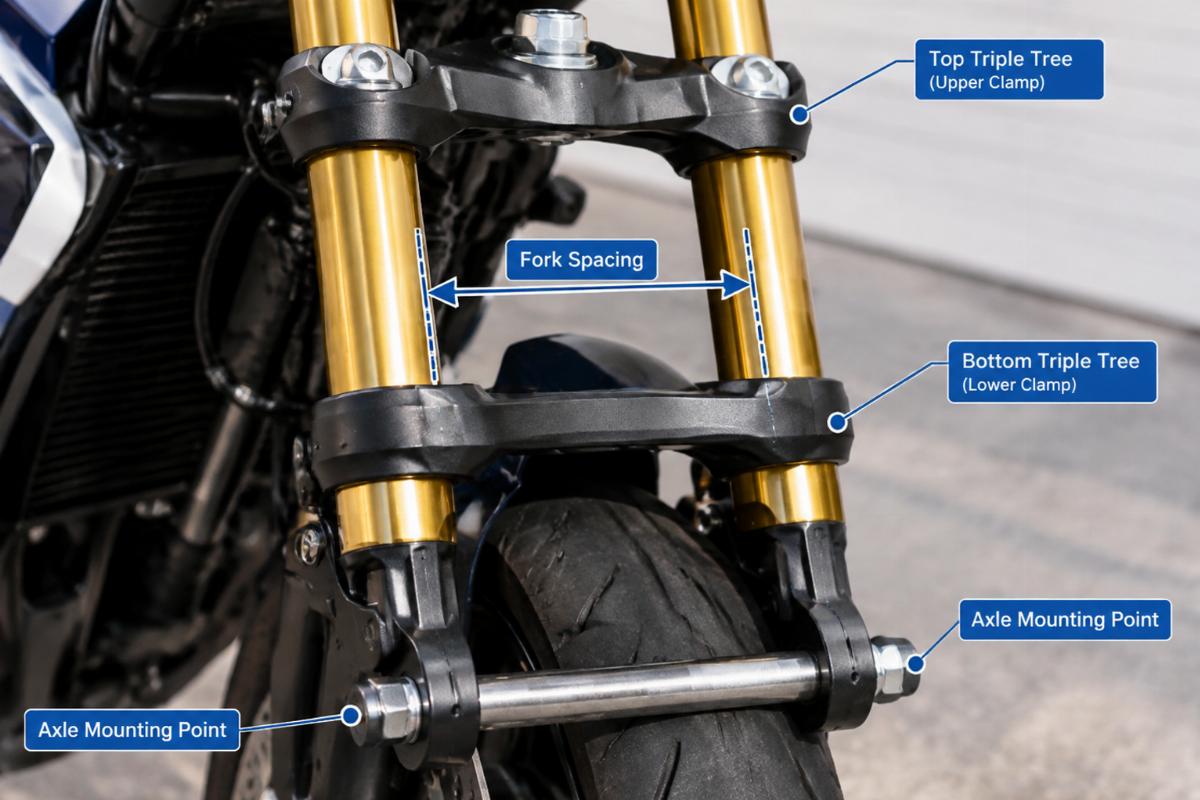
These dimensions are non-negotiable. Confirming them upfront saves time, money, and frustration.
How to Request a Technical Fitment Check?
Securing an accurate quote requires more than sending a part number. It demands a collaborative technical review. To get a fitment-confirmed quote custom motorcycle parts, you must provide detailed information about your specific application. This includes the model year, engine family, and any modifications made to the stock configuration.
The most effective method is to share photos, measurements, or VIN-derived model years. Photos allow suppliers to identify visual cues such as finish type, mounting hardware, and overall geometry. Measurements provide hard data that can be cross-referenced against production specifications. VINs help pinpoint the exact production date, which is crucial for models with mid-year changes.
In our practice, we require this model and year lock-down before quoting Harley or XS650 parts. This is not a bureaucratic hurdle but a quality control measure. It ensures that the part we quote is the part you need. For example, when sourcing stators for late-model Evos, knowing the exact year range helps identify the correct output and regulator connector type. [NEED_CITE: evolution of Harley-Davidson charging systems by model year]
A Middle East restorer once sent us photos of a damaged steering head cup. The images revealed a specific bearing type used in early frames, which differed from later models. By identifying this detail, we were able to quote the correct replacement part, avoiding a mismatch that would have required machining the frame.
This level of diligence builds trust. It shows that the supplier is invested in the success of your project, not just in moving inventory. When you request a fitment-confirmed quote custom motorcycle parts, expect questions about your setup. Answer them thoroughly. The more information you provide, the more accurate the quote will be.
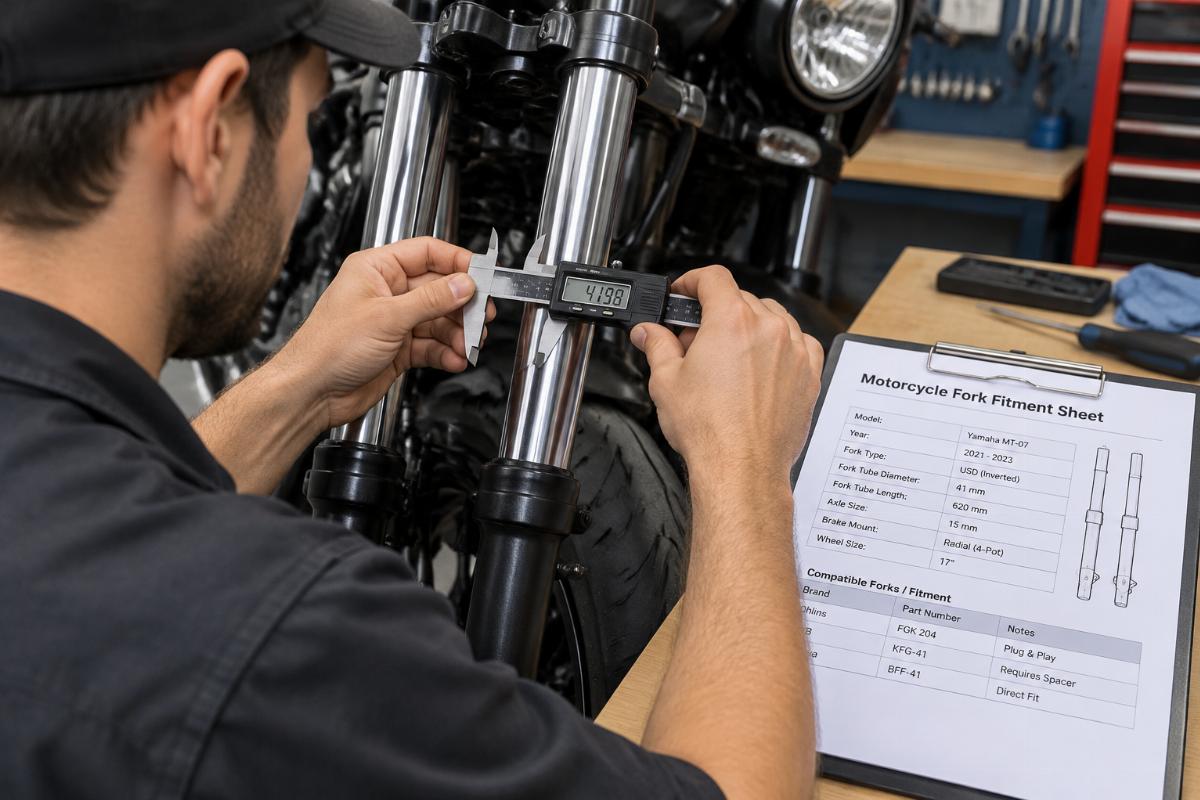
Technical fitment checks are the foundation of reliable procurement. They transform a simple transaction into a professional partnership.
What Documentation Ensures Catalog Accuracy?
Documentation is the backbone of catalog accuracy. To maintain a reliable inventory, you need more than just the physical parts. You need fitment sheets, cross-reference lists, and inspection records. These documents verify that the parts you receive meet the specified requirements.
A fitment sheet should include year ranges, finish specifications, and key dimensions. It serves as a quick reference for your sales team or mechanics, allowing them to confirm compatibility without guessing. Cross-reference lists link aftermarket part numbers to OEM equivalents, marked as reference only. This helps in identifying replacements for discontinued or superseded items. [NEED_CITE: best practices for aftermarket parts catalog management]
Inspection records provide proof of quality control. They show that each batch has been checked for defects and dimensional accuracy. Packing photos offer visual confirmation of the items shipped, reducing disputes over received goods. HS codes and customs support documents facilitate smooth international shipping, preventing delays at borders.
When evaluating a supplier, ask for these documents. A provider who offers comprehensive documentation demonstrates a commitment to transparency and accuracy. They understand that their reputation depends on the reliability of their products. In contrast, a supplier who provides minimal information may be cutting corners, leading to inconsistent quality and fitment issues.
For distributors building an aftermarket V-twin catalogue line, this documentation is invaluable. It allows you to expand your offerings with confidence, knowing that each part has been verified. It also reduces the burden on your customer service team, as they can refer clients to accurate fitment data rather than relying on memory or guesswork.
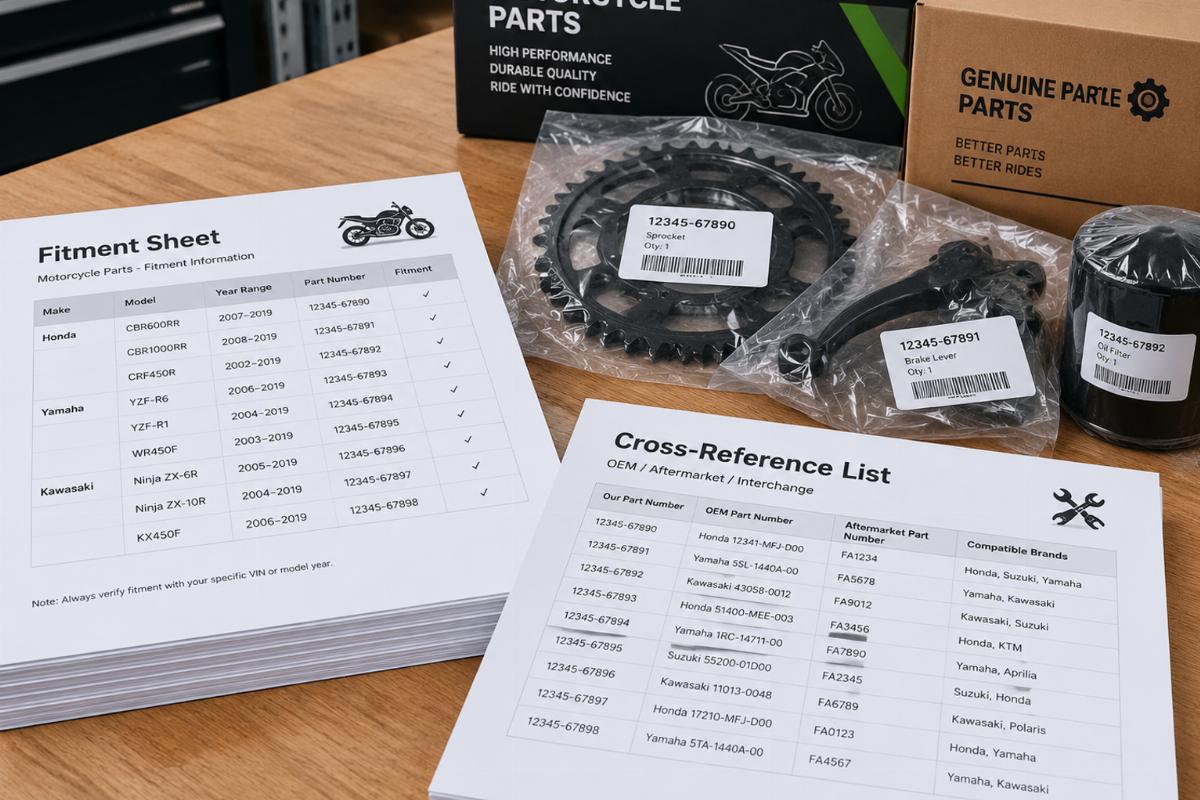
Insist on these documents for every order. They are your insurance against errors and your tool for building a trusted brand.
Conclusion
Fitment accuracy is the true measure of value in aftermarket parts.
Stop guessing on triple tree spacing and axle sizes. Secure quotes only after locking down model year, fork diameter, and axle size to prevent costly returns. By prioritizing technical verification and demanding comprehensive documentation, you ensure that every fitment-confirmed quote custom motorcycle parts you receive is ready to bolt on. This approach minimizes risk, maximizes efficiency, and builds a foundation for long-term success in the custom motorcycle industry.