
The cheapest unit price often results in the highest landed cost.
Wholesale springer forks pricing is driven less by the metal itself and more by packaging density, mixed-SKU consolidation strategies, and the hidden labor of fitment verification. Low MOQ is viable only when buyers account for wooden crate fees and anti-rust measures, rather than focusing solely on the per-unit component cost.
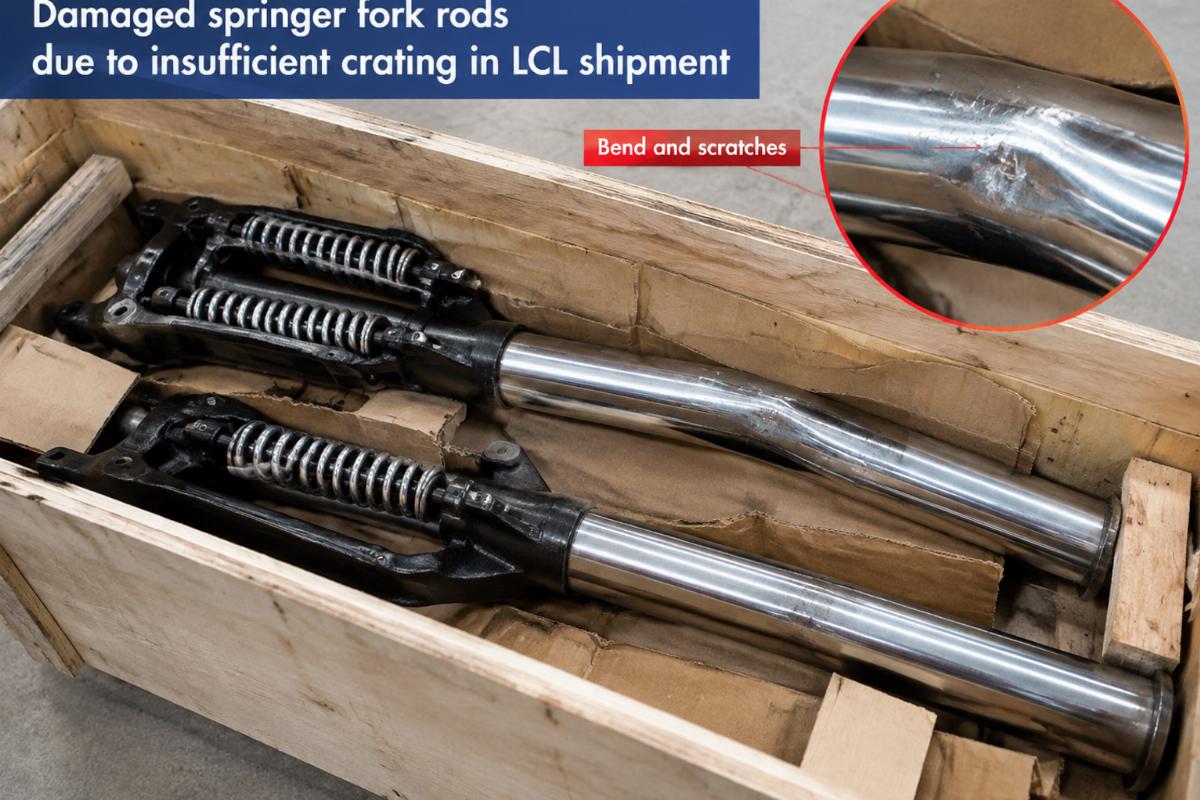
I still remember the silence in a Lagos workshop when thirty sets of springer front ends arrived from China. The unit price had looked perfect on paper. But the crates were missing. The rods, loose in a shared container with heavy engine cases, had bent under the weight of transit. The profit margin didn’t just vanish; it turned into a negative balance as we paid for local repackaging and replacement parts. That stoppage taught me that wholesale springer forks pricing is a complex equation where logistics and protection weigh heavier than the raw material. [NEED_CITE: impact of improper packaging on LCL motorcycle parts damage rates]
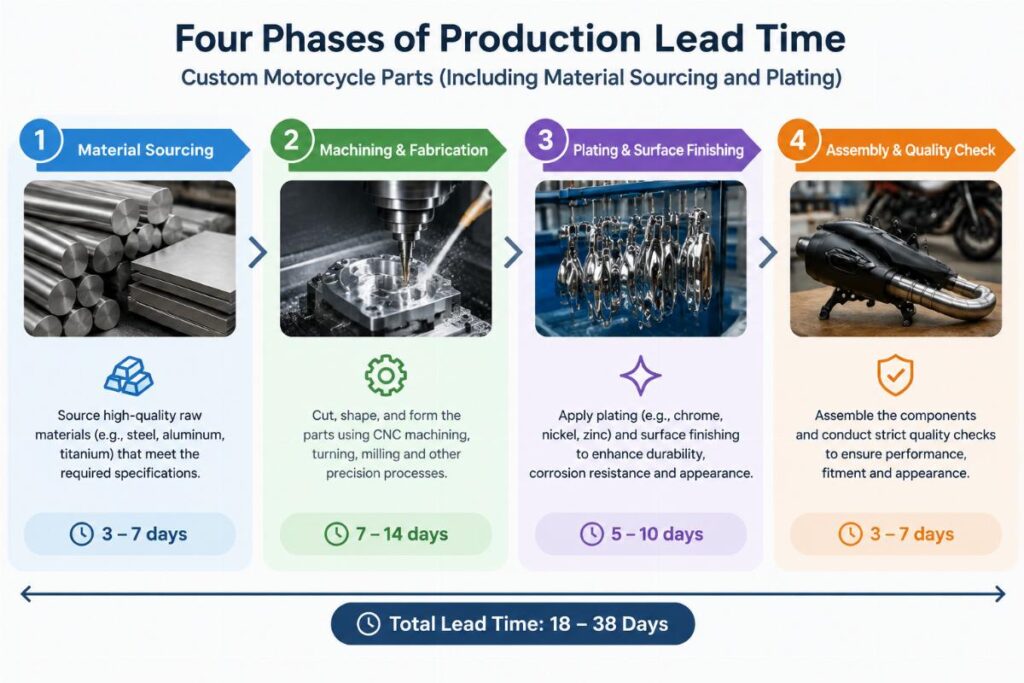
For dealers importing V-twin parts, understanding this structure is critical. You are not just buying steel; you are buying a secure supply chain. Let’s break down how these factors shape the real cost and why minimum order quantities exist for reasons beyond factory capacity.
Why Does Unit Price Mislead Wholesale Buyers?
Many purchasing managers start their search by comparing the base price of a springer assembly across different suppliers. This is a trap. The visible cost is only a fraction of the total investment. When you analyze wholesale springer forks pricing, you must look at the triad of part cost, wooden crate fee, and LCL consolidation fee.
Cheap units often skip rigid crating to keep the quoted price low. They might use cardboard or thin plastic wrap, which offers zero protection against the crushing force of a consolidated container. In contrast, a properly priced item includes a custom-fitted wooden crate. This crate prevents the long, slender springer legs from bending and keeps the chrome finish intact. [NEED_CITE: industry standards for motorcycle parts packaging and damage prevention]
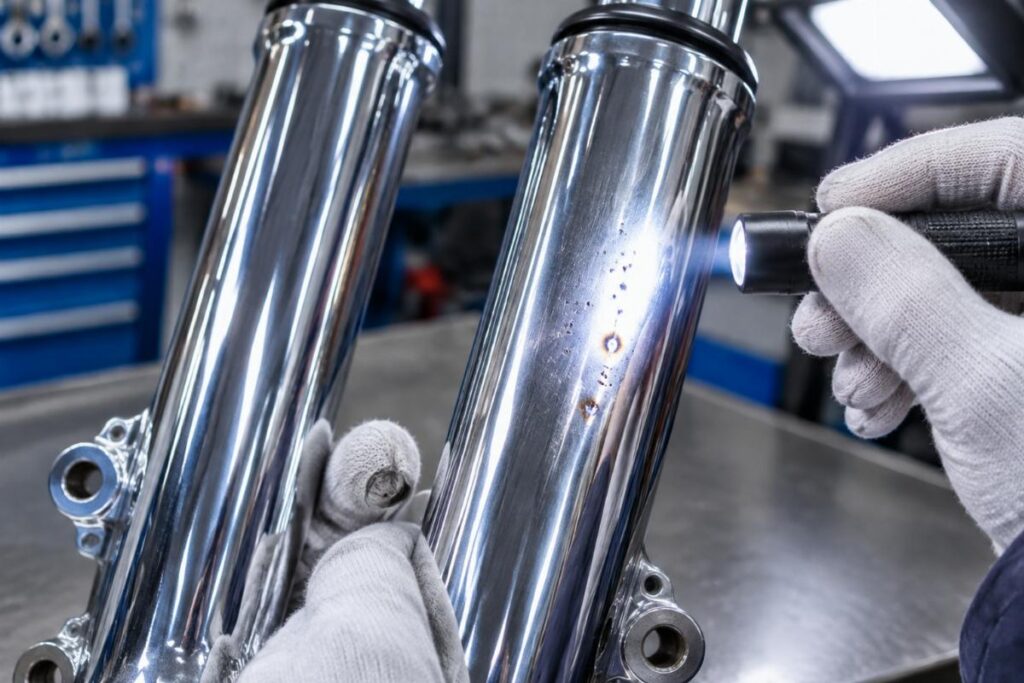
Consider the case of a European distributor who switched to a lower-priced supplier. The initial savings were noticeable. However, upon arrival, nearly half the units had minor rust spots or scratched triple trees due to moisture and friction during sea freight. The cost of polishing and re-chroming locally exceeded the initial savings. The true wholesale springer forks pricing includes the assurance that the part arrives ready to sell, not ready for repair.
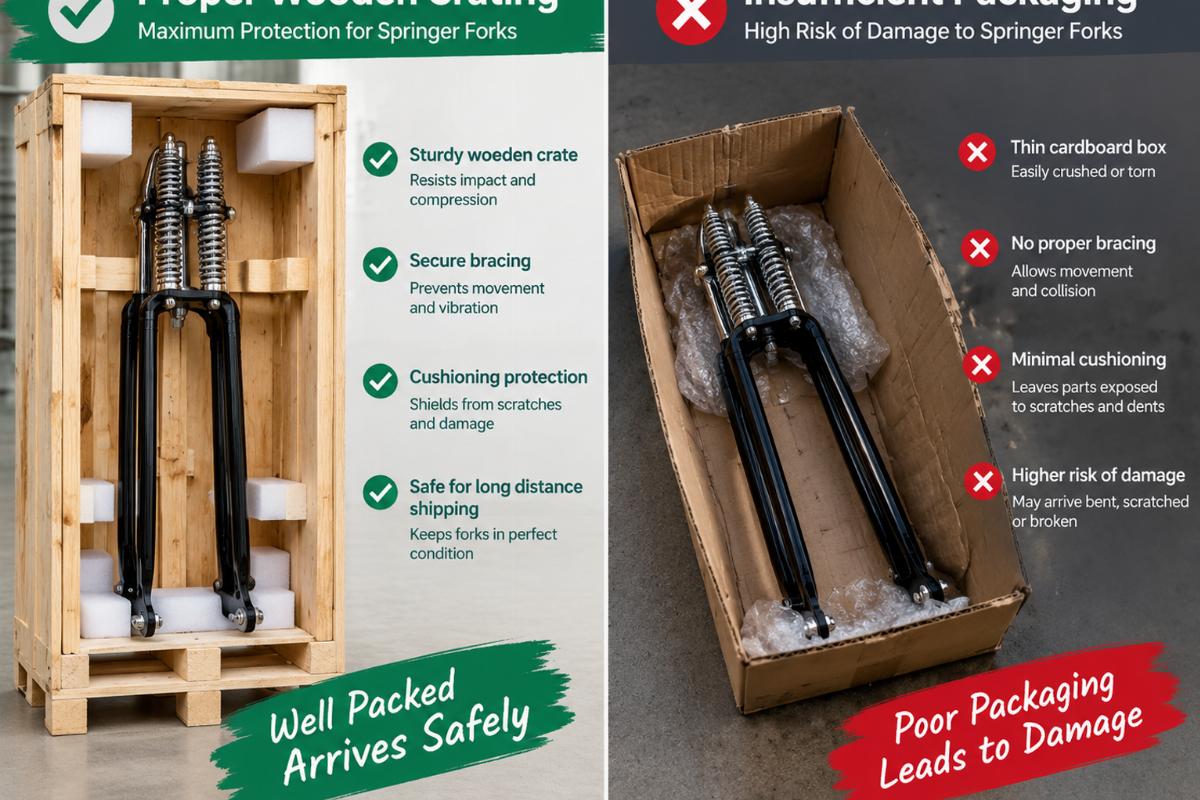
Furthermore, anti-rust measures are not optional. In humid climates or during long sea voyages, bare metal or poor-quality plating will degrade. A reputable supplier applies heavy-duty anti-rust oil and uses vapor-corrosion inhibitors inside the crate. This adds to the cost but protects the asset. Ignoring this line item in your budget leads to unsellable inventory. When you request a quote, ask for a breakdown that separates the part from the packaging. This transparency reveals the true value proposition.
How Is MOQ Determined for Springer Front Ends?
A common misconception is that Minimum Order Quantity (MOQ) is strictly defined by the manufacturer’s production batch size. In reality, for bulky items like springer front ends, MOQ is often determined by the minimum economic volume for secure wooden packaging and shipping efficiency.
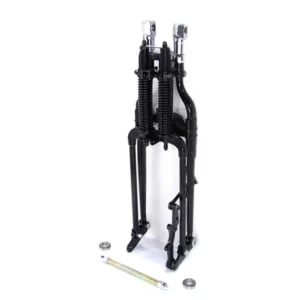
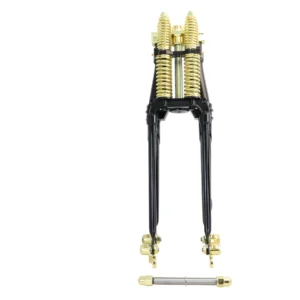
Springer assemblies are large and irregularly shaped. They do not stack neatly like small electrical components. A single wooden crate might hold only two or three units, depending on the length over stock. If a buyer orders just one set, the cost of the crate and the handling fee becomes disproportionately high. This is why many suppliers set an MOQ that aligns with filling a standard crate or pallet. [NEED_CITE: logistics economics of bulky aftermarket motorcycle parts]
When evaluating wholesale springer forks pricing, consider the concept of mixed-SKU consolidation. Instead of ordering fifty springers, a smart buyer combines them with handlebars, charging parts, and smaller hardware. This approach hits the container volume thresholds without overstocking on one item. The ratio of high-volume small parts to bulky front ends in a 20ft container can be optimized to lower the average shipping cost per unit.
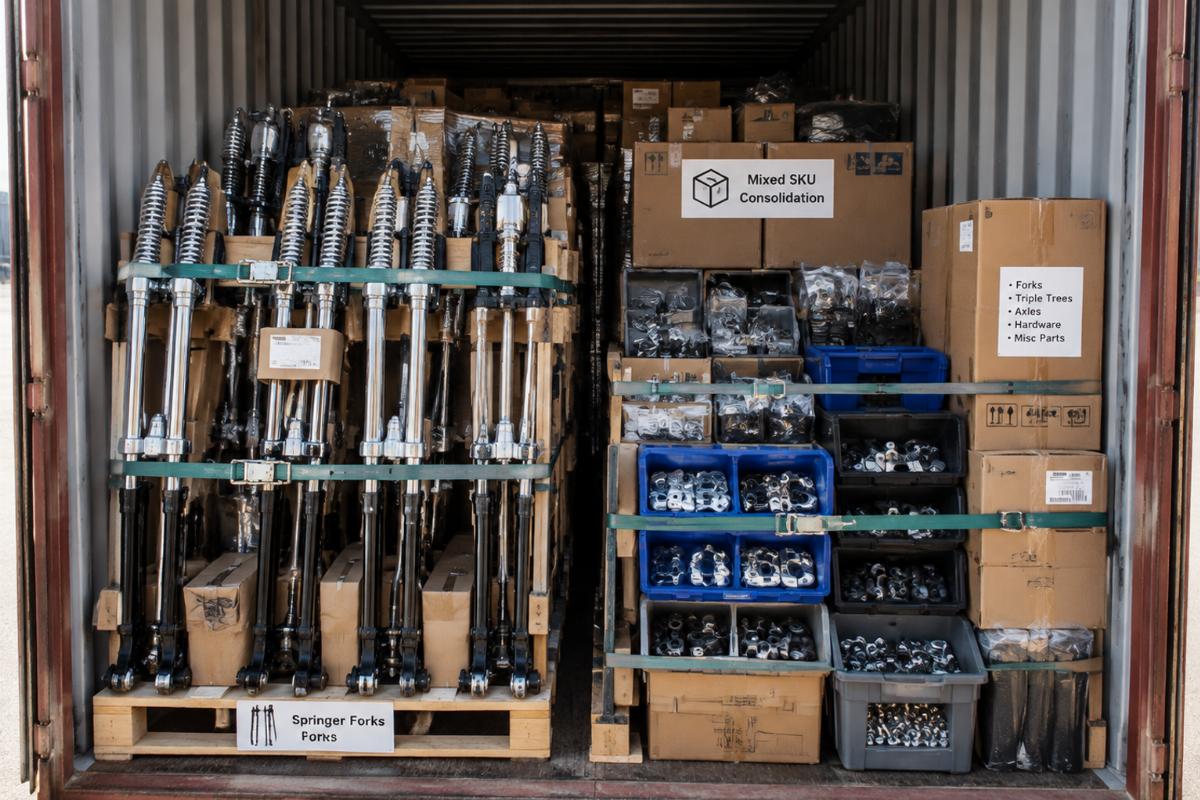
For example, a US buyer once wanted to test a new line of black-finish springers. Instead of committing to a full container, they ordered ten springer kits along with a larger quantity of voltage regulators and stators. The small parts filled the voids in the crates and the remaining container space. This strategy allowed them to meet the effective MOQ for favorable shipping rates while keeping the risk on the springers low. The wholesale springer forks pricing became competitive because the logistics cost was spread across the entire order, not just the front ends.
If you are a small shop, look for suppliers who support sample orders but clarify the packaging surcharge. Some manufacturers allow a single unit purchase but charge a premium for the individual crate. Understanding this distinction helps you plan your inventory growth without cash flow shocks.
What Hidden Costs Appear in LCL Shipments?
Less than Container Load (LCL) shipments are essential for small batches, but they harbor hidden costs that can erode margins. The primary risk is movement. In a shared container, your goods are subject to the shifting of other cargo. For springer forks, this means potential bending of the long legs or damage to the delicate spring rods.
To mitigate this, specialized fixing is required. This involves internal bracing within the wooden crate and external strapping to the pallet. These measures add to the preparation time and cost. If a supplier quotes a low price but does not include these securing methods, you are likely to face damage claims later. [NEED_CITE: root causes of damage in LCL motorcycle parts shipments]
Another hidden cost is the consolidation fee. Freight forwarders charge for receiving, storing, and combining goods from multiple suppliers. If your springer forks arrive late or are packaged poorly, they may delay the entire container loading, incurring storage fees. Clear communication with your supplier about packing readiness dates is crucial.
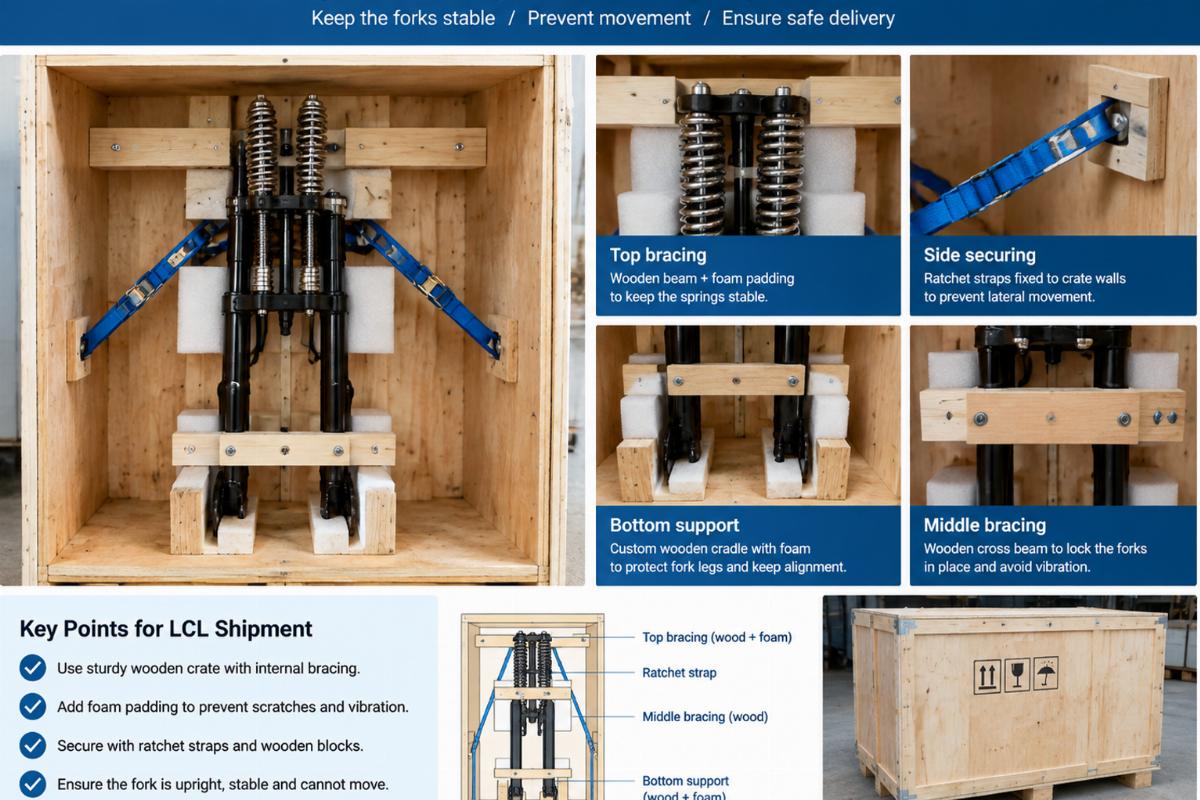
Additionally, customs clearance can be tricky if documentation is incomplete. Springer forks fall under specific HS codes for vehicle parts. Incorrect classification can lead to delays and extra inspection fees. A professional supplier provides accurate HS codes and detailed packing lists. This documentation support is part of the value embedded in fair wholesale springer forks pricing. It ensures smooth passage through customs, avoiding costly demurrage charges at the port.
Remember that the cheapest freight rate is not always the best. A reliable forwarder who understands motorcycle parts will handle your goods with care. Factor this into your total landed cost calculation. When you see a significantly lower wholesale springer forks pricing, ask what is excluded. Is it the crating? The insurance? The documentation support? The answers will reveal the true cost.
How Do We Ensure Fitment Accuracy Before Shipping?
Fitment errors are the most expensive type of return. Unlike a bolt that either fits or doesn’t, a springer front end affects the geometry of the entire motorcycle. Incorrect length over stock can alter rake and trail, making the bike unsafe to ride. For pre-1984 models, the variations are even more complex.
To prevent this, cross-referencing OEM numbers is essential. However, OEM numbers change over time, and superseded numbers must be tracked. A robust supplier maintains a database that links current aftermarket part numbers to all relevant OEM references. [NEED_CITE: importance of cross-referencing superseded OEM numbers for vintage motorcycle parts]
Before shipping, a fitment check should be performed. This involves verifying the model year range, frame neck angle, and desired finish. For Harley-Davidson Softail models, the distinction between early and late frames is critical. Similarly, for Yamaha XS650 builds, the triple tree spacing must match the specific year and modification level.
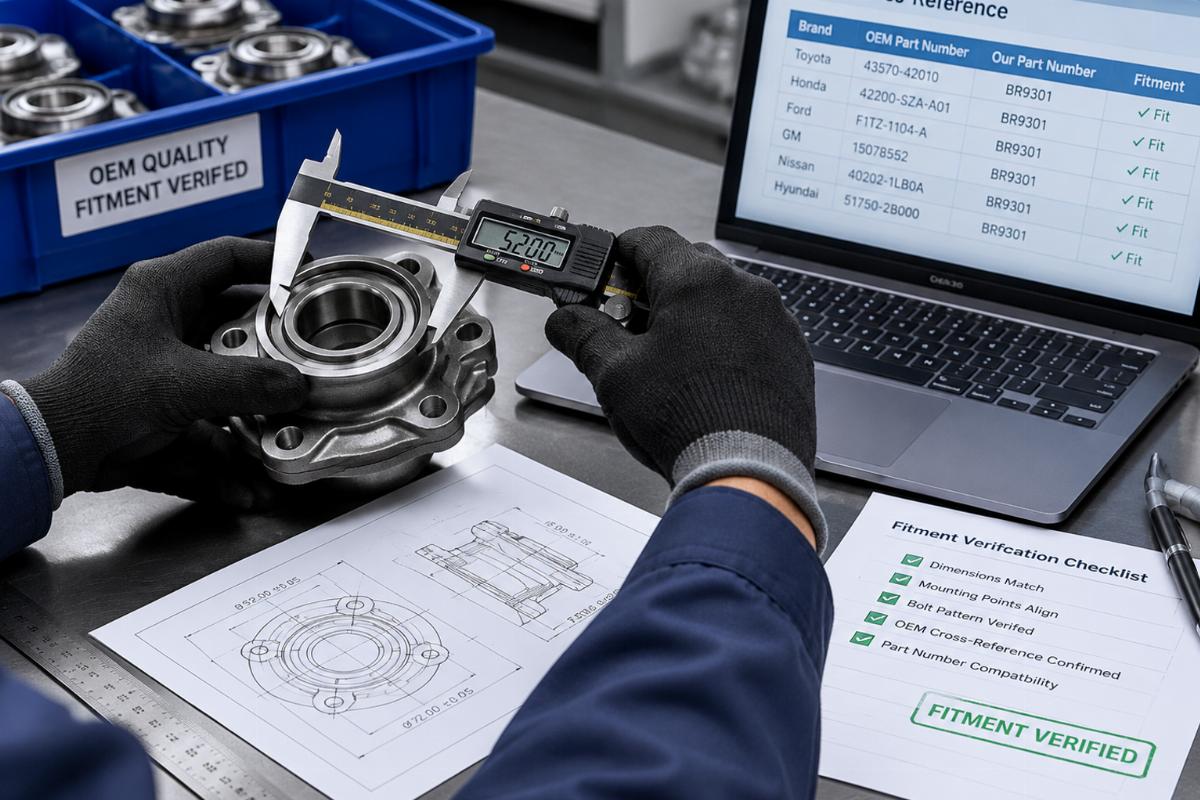
A practical method is to require a fitment sheet with every order. This document lists the compatible model years and key dimensions. It serves as a double-check for both the buyer and the seller. In one instance, a dealer ordered springers for a 1978 Shovelhead. The supplier’s fitment sheet flagged that the requested length was designed for a chopper build, not a stock restoration. This simple query prevented a costly mistake and a potential safety issue.
Reducing the return rate requires proactive communication. Send your model and year for a fitment check before placing the bulk order. This step adds negligible time but saves significant resources. It ensures that the wholesale springer forks pricing you pay translates into sellable, correct inventory.
Documentation such as inspection records and packing photos further enhances confidence. These records prove that the correct parts were picked and packed securely. They are valuable for your own quality control and customer service. When a customer asks about compatibility, you have the data to answer accurately.
Conclusion
Real value lies in protection and precision, not just the lowest sticker price.
Wholesale springer forks pricing is a reflection of the entire supply chain integrity, from wooden crating to fitment verification. By understanding the hidden costs of LCL shipments and the logic behind MOQ, dealers can make smarter procurement decisions. Focus on suppliers who provide transparent breakdowns, robust packaging, and accurate fitment data. This approach minimizes returns, protects margins, and builds a reliable catalog for your customers.