
Wholesale Big Twin Charging System Parts: Rotor, Stator, Regulator
Most charging system failures stem from fitment errors rather than part quality.
Correct selection requires matching stator phase, rotor type, and regulator connector to the specific model year, not just engine family. This precision prevents costly returns and ensures catalogue accuracy for aftermarket V-twin parts. [NEED_CITE: common causes of motorcycle electrical system failure]
I still remember the batch of voltage regulator rectifiers returned from a North American shop specializing in classic Shovelhead builds. The owner complained that the bikes would not hold a charge after fifty miles. Upon inspection, the regulator plug did not match the original wiring harness. The forced connection caused a short circuit that burned out the rotor. That incident clarified a critical truth: selling charging components demands more than visual matching. Phase count and pin definitions must align perfectly, or the assembly is useless upon installation. Since then, I verify model years and connector types before any quotation to avoid such preventable losses.
Understanding these technical nuances is essential for anyone sourcing Big Twin charging system parts. The following guide details how to identify correct fitments and avoid common pitfalls in aftermarket procurement.
Why Do Aftermarket Charging Parts Fail on Big Twins?
Fitment errors, not manufacturing defects, cause most early failures.
Many buyers assume that all regulators within a broad engine family are interchangeable. This assumption leads to significant inventory issues. The true cause of failure is often a mismatch in connector pinouts or internal circuitry designed for specific amperage loads. [NEED_CITE: automotive electrical component compatibility standards]
A common scenario involves late-model Evolution engines. A buyer might order a standard three-phase stator, but the engine requires a specific output phase configuration to work with its factory regulator. If the phases do not match, the system undercharges regardless of the component quality. This incompatibility is not visible during a static bench test but becomes apparent under load.
Another frequent error occurs with classic V-twin retrofits. Pre-1984 models often use bullet connectors, while later models switched to spade terminals. Mixing these types requires hardwiring, which introduces resistance points and potential failure zones. Shops that skip the step of verifying connector types face higher return rates.
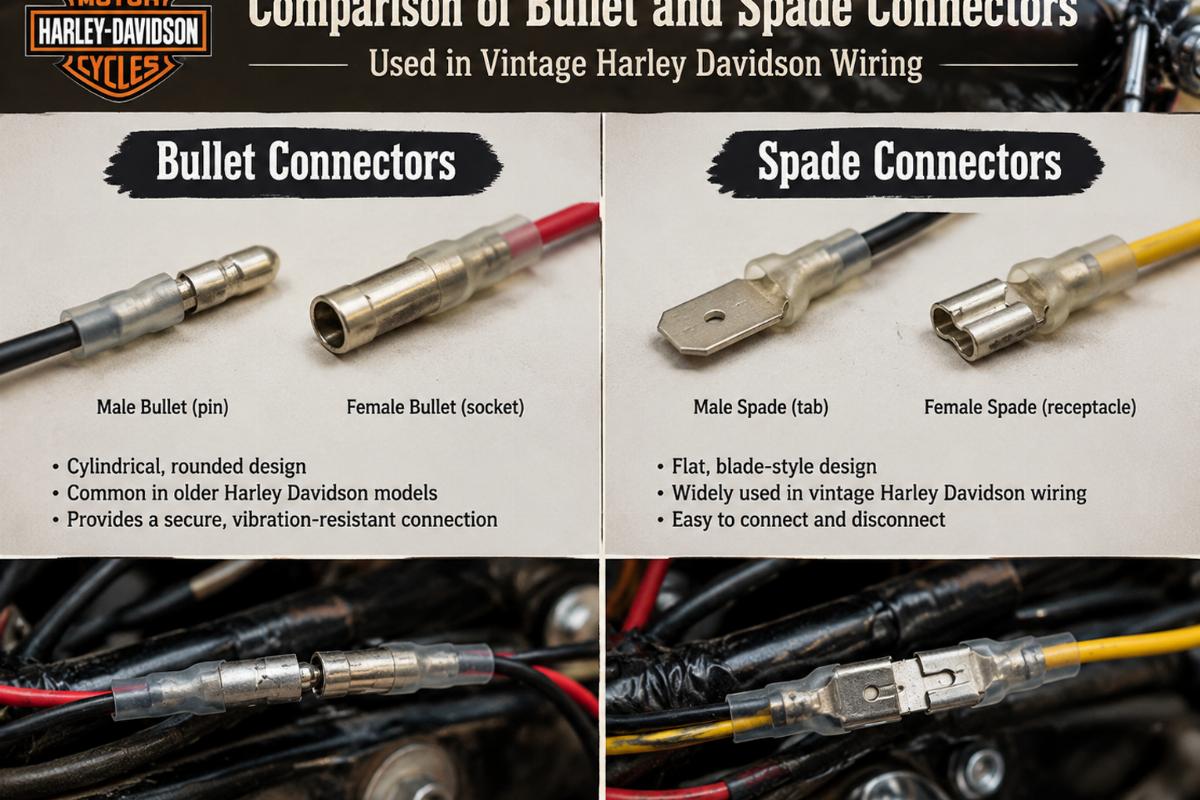
To mitigate these risks, distributors must treat Big Twin charging system parts as model-specific items rather than generic replacements. Cross-referencing OEM numbers is a starting point, but it does not account for mid-year production changes. Verifying the physical connector and phase count against the service manual remains the only reliable method.
How to Identify the Correct Stator and Rotor Pair?
Phase count and magnet pattern must match exactly for the model year.
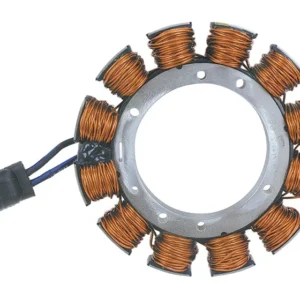
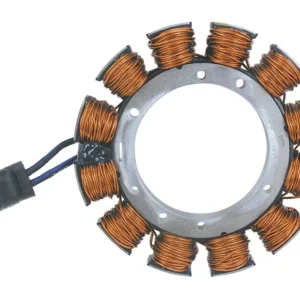
The stator and rotor function as a coupled unit. The rotor’s magnet pattern induces current in the stator windings. If the number of magnetic poles on the rotor does not correspond to the winding configuration of the stator, the output will be erratic or non-existent. [NEED_CITE: principles of alternator operation in motorcycles]
Identifying the correct pair involves checking two primary attributes:
- Stator Output Phase: Determine if the system uses single-phase or three-phase output. Early models often differ from later high-output systems.
- Rotor Magnet Pattern: Inspect the arrangement of magnets on the rotor face. Some rotors have segmented magnets, while others use a continuous ring.
| Attribute | Early Evolution Models | Late Evolution & Twin Cam |
|---|---|---|
| Phase Count | Often Single-Phase | Typically Three-Phase |
| Connector Type | Bullet or Early Spade | Multi-Pin Plastic Connector |
| Output Stability | Lower Amperage at Idle | Higher Amperage at Idle |
This table highlights general trends, but exceptions exist. For instance, some transitional years may use hybrid configurations. Buyers should request fitment sheets that specify these attributes for each SKU. Relying solely on engine displacement can lead to ordering errors.
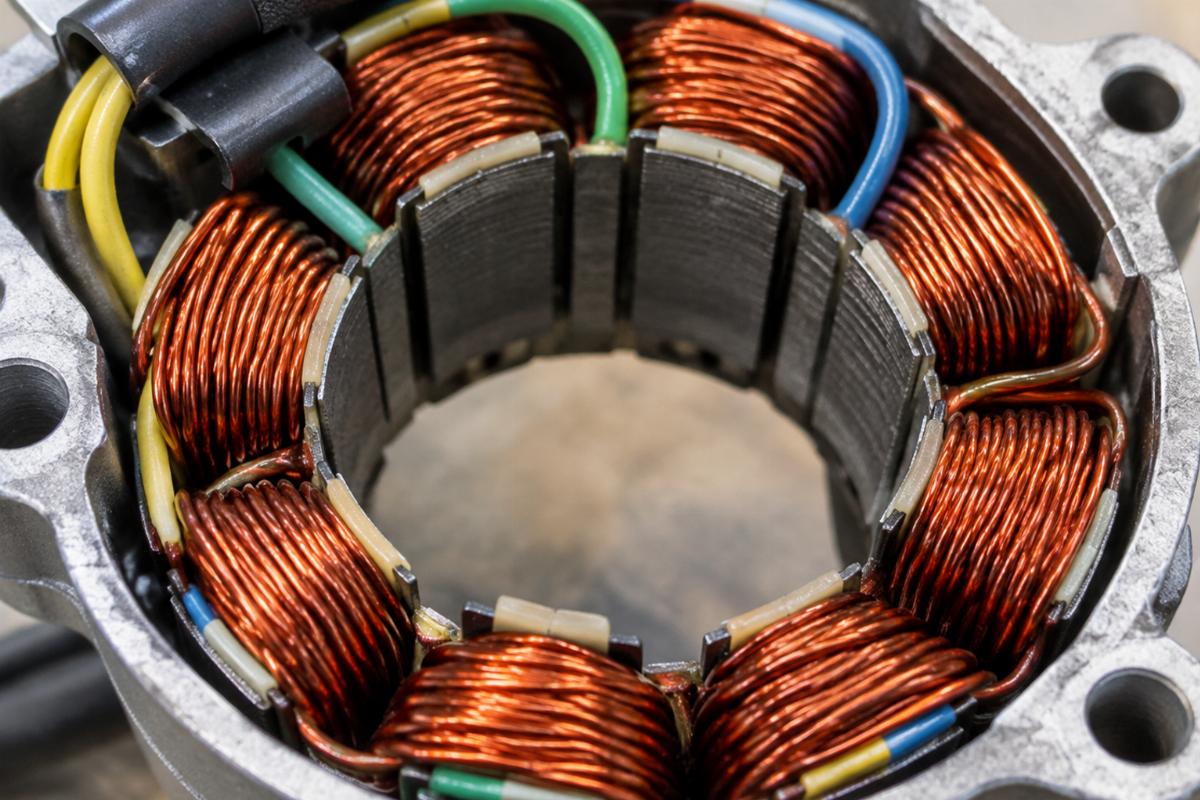
When sourcing Big Twin charging system parts, ask suppliers for detailed specifications regarding phase and magnet layout. A reputable partner will provide this data without hesitation. This level of detail supports accurate catalogue entries and reduces customer confusion.
Which Regulator Connector Fits Your Harley-Davidson?
Pin configuration varies significantly between pre-1984 and later models.
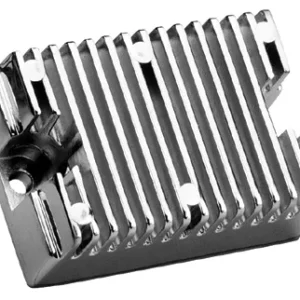
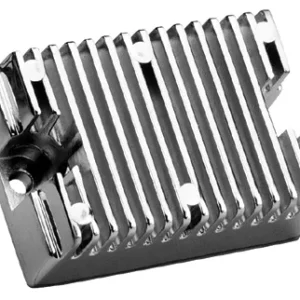
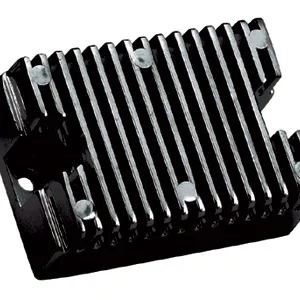
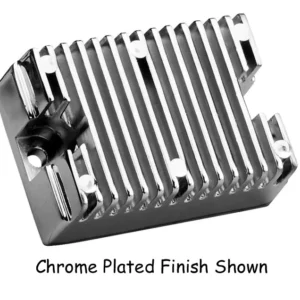
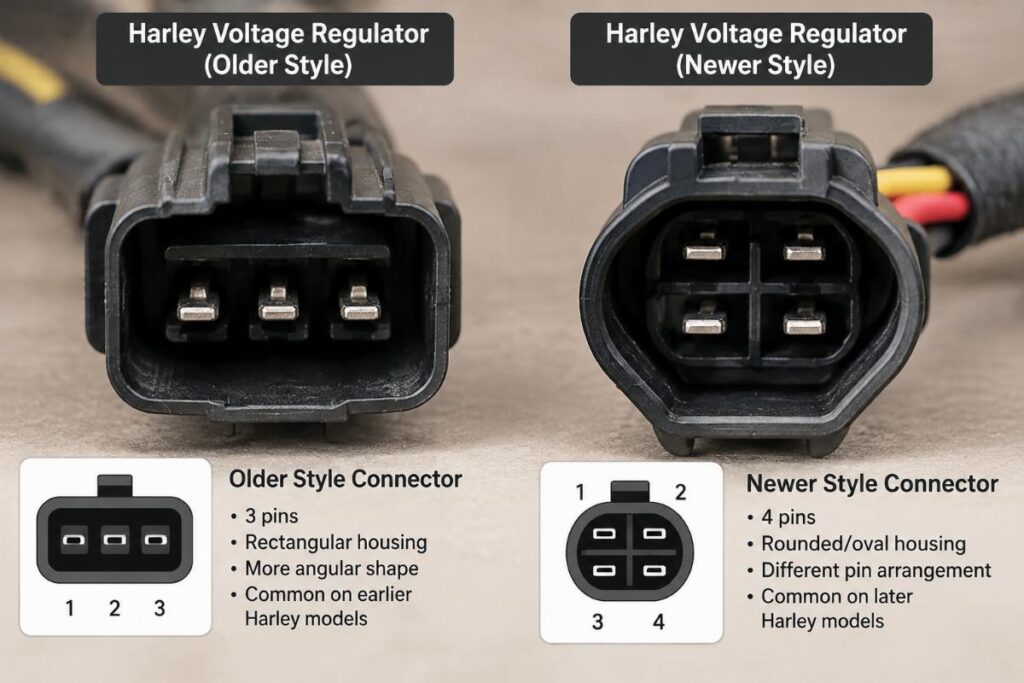
The regulator rectifier converts alternating current from the stator into direct current for the battery. Its connection to the motorcycle’s wiring harness is critical. A mismatch here can cause immediate failure or intermittent charging issues. [NEED_CITE: motorcycle wiring harness pinout diagrams]
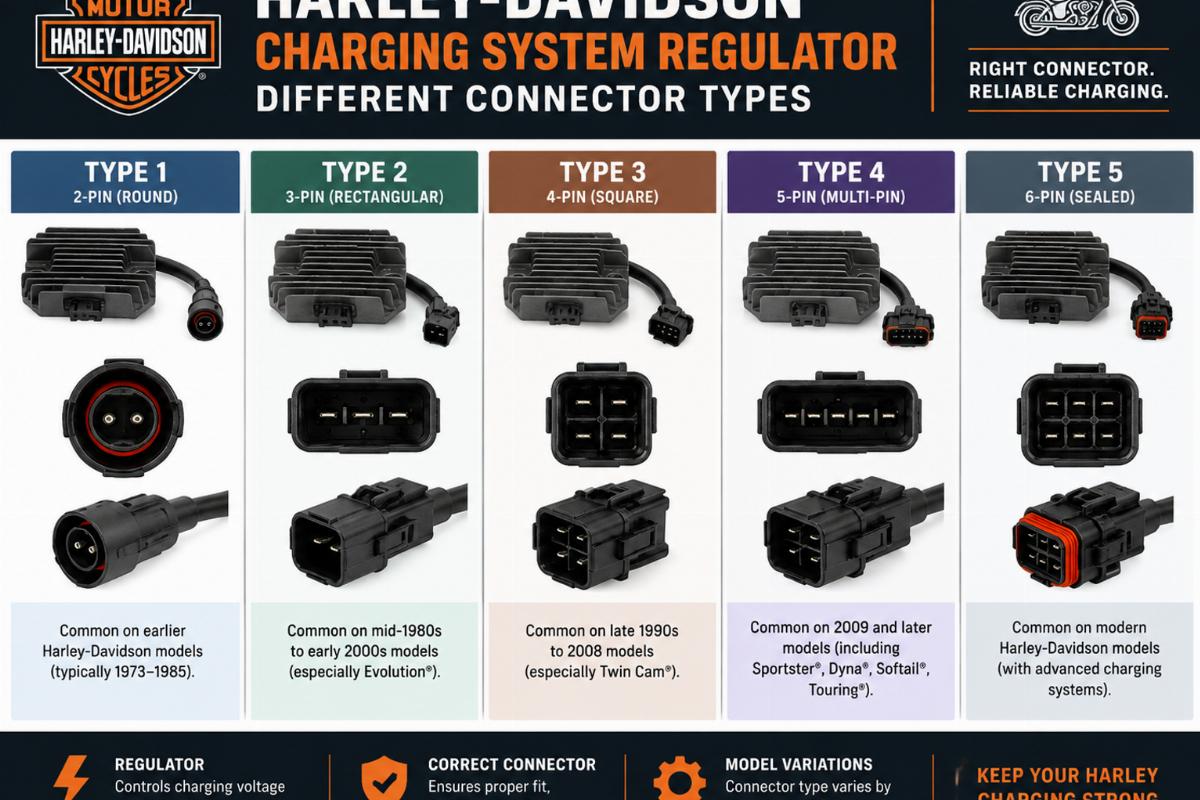
Pre-1984 models typically use individual bullet connectors or simple spade terminals. These require careful alignment during installation. Later models, including many Evolution and Twin Cam variants, utilize multi-pin plastic connectors. These connectors lock into place and ensure correct pin orientation.
A US buyer once ordered a batch of regulators for a mixed fleet of Softails and Dynas. The listing did not distinguish between the connector types for different years. Half of the units arrived with the wrong plug shape. The shop had to spend hours rewiring the harnesses, delaying customer deliveries. This situation could have been avoided with a clear fitment guide.
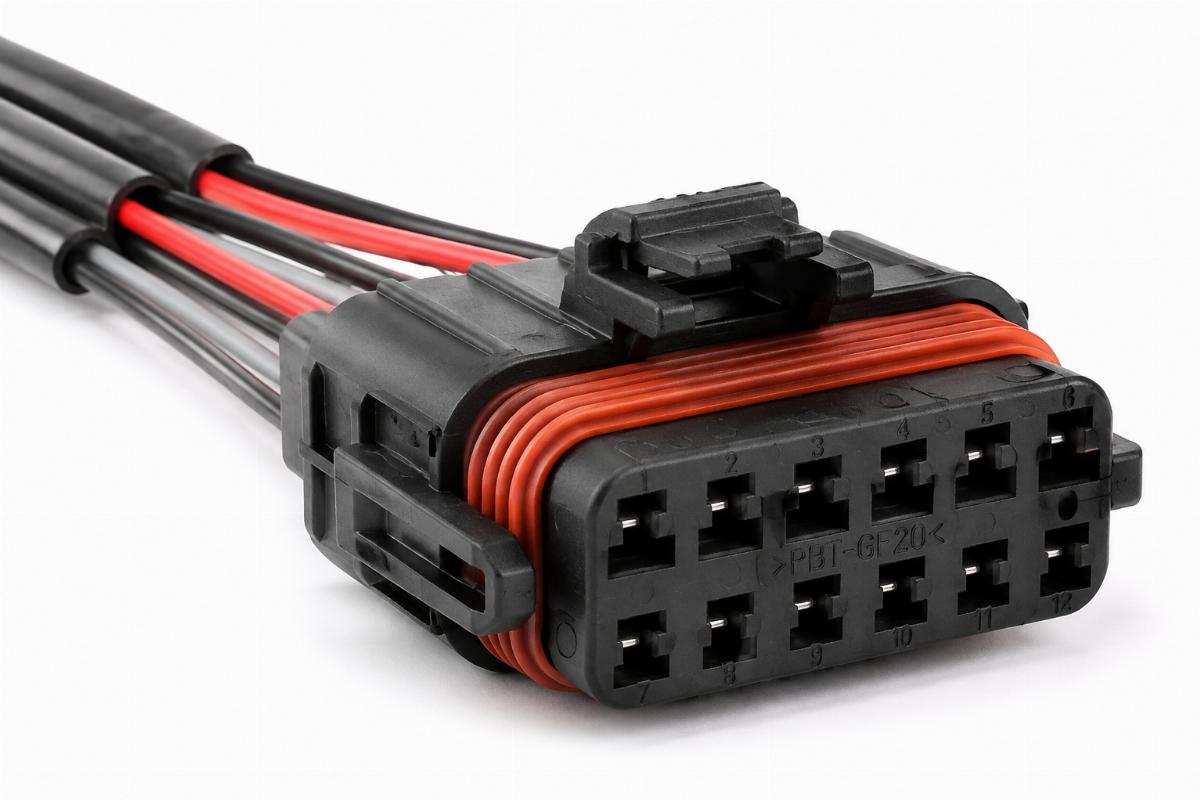
To prevent such issues, verify the connector type against the specific model year. Do not assume compatibility based on the engine family alone. Suppliers who provide clear images of connector ends help buyers make informed decisions. This transparency builds trust and reduces the likelihood of returns.
When evaluating Big Twin charging system parts, prioritize listings that include connector details. If this information is missing, request it before placing an order. Accurate data ensures that the parts fit correctly the first time.
What Documents Ensure Accurate Catalogue Entry?
Cross-reference sheets and fitment logs prevent ordering errors.
Accurate catalogue management relies on comprehensive documentation. Without it, buyers struggle to match parts to specific motorcycles. This uncertainty leads to hesitant purchasing and increased support queries. [NEED_CITE: best practices for aftermarket parts cataloguing]
Essential documents include:
- Fitment Sheets: List compatible model years and families. Highlight any exceptions or special requirements.
- Cross-Reference Sheets: Map aftermarket part numbers to OEM references. Mark these as reference only to avoid trademark issues.
- Inspection Records: Confirm that parts meet quality standards before shipping.
A European distributor recently expanded their V-twin line. They requested detailed fitment logs for each charging component. This allowed them to update their online catalogue with precise year ranges. Customer inquiries dropped noticeably, and sales increased due to higher confidence in product accuracy.
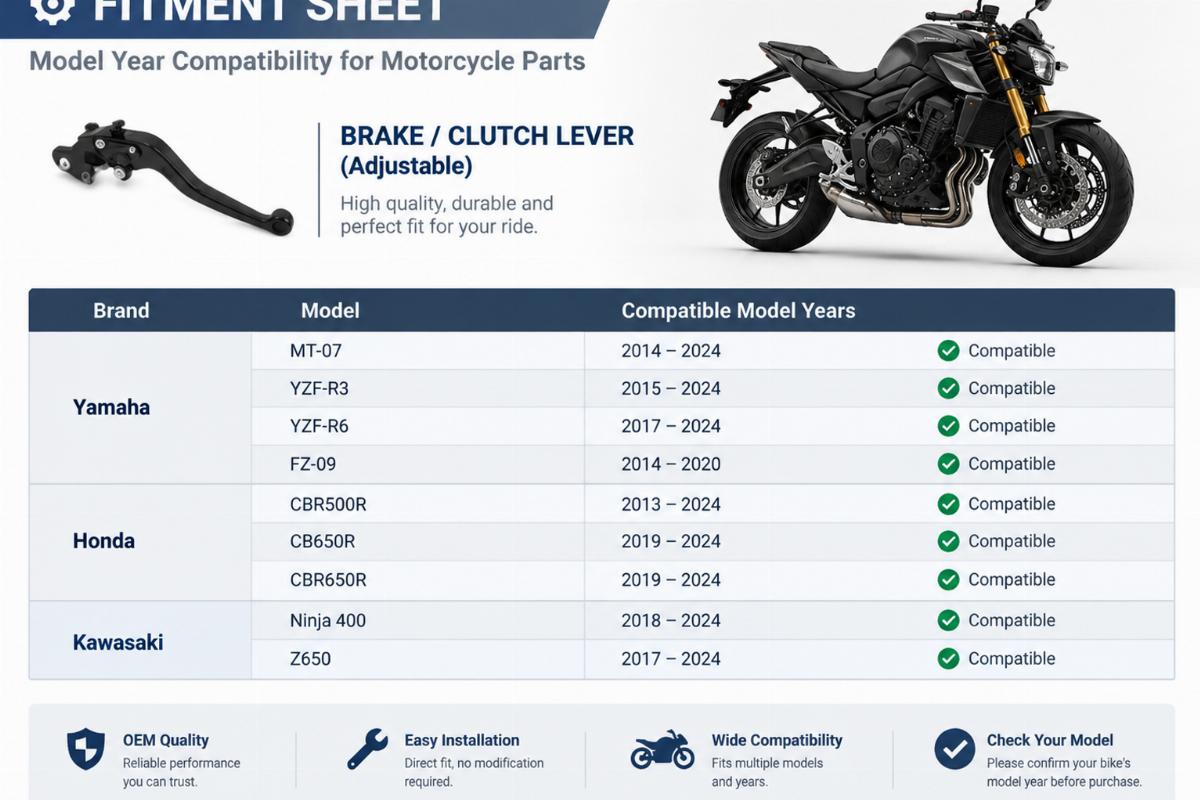
Providing these documents with every order supports buyer confidence. It demonstrates a commitment to accuracy and technical support. Distributors can use this data to educate their own customers, reducing return rates and enhancing reputation.
When sourcing Big Twin charging system parts, seek suppliers who offer robust documentation. This support is invaluable for maintaining a professional and accurate catalogue. It transforms a simple transaction into a long-term partnership.
Conclusion
Precision in fitment prevents costly returns and builds customer trust.
Charging system failures often result from incorrect part selection rather than defective components. Matching stator phase, rotor type, and regulator connector to the specific model year is essential. Detailed documentation and clear communication further support accurate procurement. By prioritizing these technical details, buyers can ensure reliability and satisfaction in their aftermarket offerings. Sourcing Big Twin charging system parts with this diligence leads to fewer errors and stronger business relationships.