
Voltage Regulator 12 Volt for Big Twin & Sportster 1965-1977
Fitment Verified by Year Range — Every voltage regulator for big twin & sportster is checked against exact model years and connector types before dispatch.
Product Specification
| Parameter | Value |
|---|---|
| Part Type | Voltage Regulator |
| Finish | Chrome Plated |
| Output | 12 Volt |
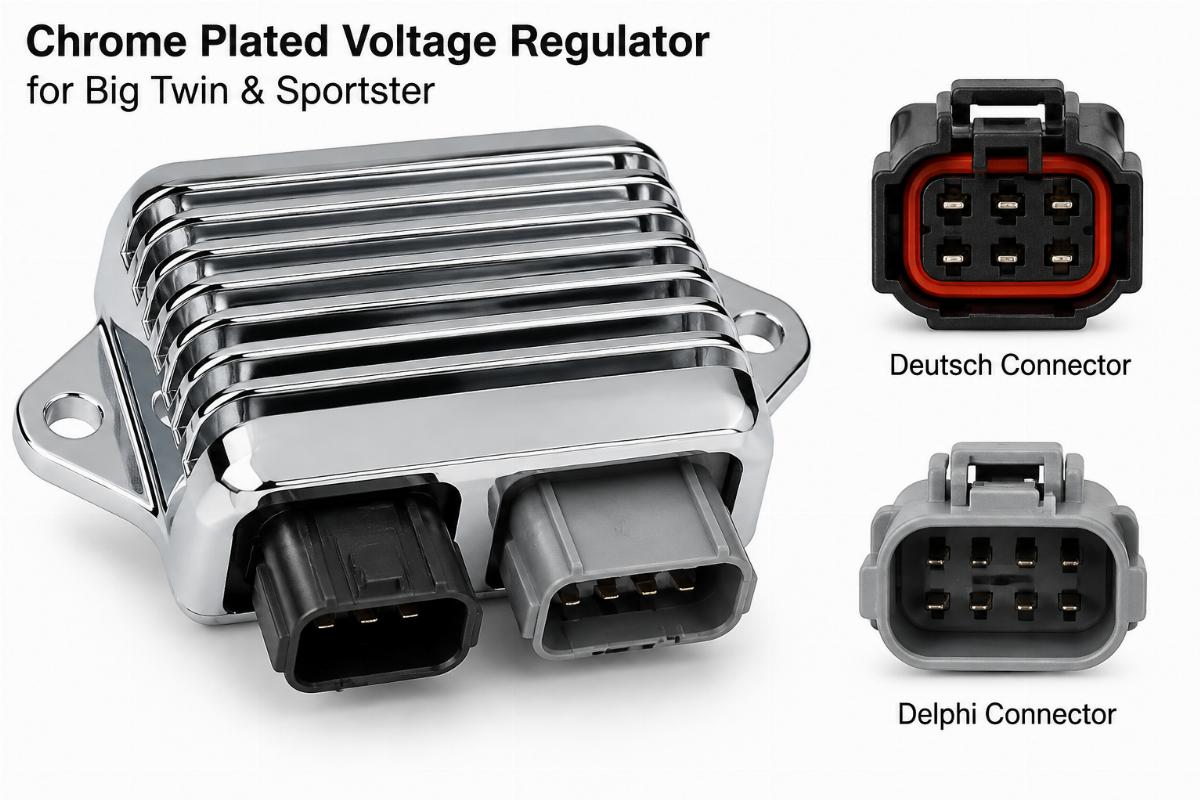
| Connector Type | Deutsch and Delphi (for 1997/later applications) |
Fitment
| Platform | Year Range | Notes |
|---|---|---|
| Big Twin | 1965-1969 | Replaces mechanical regulator |
| Sportster | 1965-1977 | Replaces mechanical regulator |
Independent aftermarket part. Not manufactured, sold or endorsed by any motorcycle manufacturer. Model names and OEM numbers are used for fitment reference only.
Why Connector Types Dictate Electrical Fitment
A voltage regulator for big twin & sportster must match the exact wiring harness terminal layout of the target model year.
Sourcing a replacement unit without verifying the plug configuration often leads to parts arriving at the shop but failing to connect. I once processed a batch of electronic regulators intended to replace mechanical units for 1965-1969 and 1965-1977 applications. The buyer skipped specifying the exact year for a later project. We supplied standard terminals, but the target machine was a 1997/later application requiring specific Deutsch and Delphi connectors. The parts arrived, simply would not plug in, and left the bike with a dead battery. That dead-end installation taught our verification team to always cross-check connector types against the exact model year, ensuring the electrical path matches the frame harness [NEED_CITE: connector changes across model years for this platform].
Verifying Platform and Year Range Compatibility
When selecting a voltage regulator for big twin & sportster, the platform family and production year determine the baseline electrical architecture. Early models utilized mechanical regulation systems that require specific electronic replacements to maintain proper charging rates. Confirming whether the build is a Big Twin or Sportster, and pinpointing the exact year between 1965 and 1977, prevents mismatched internal diode layouts. This verification step ensures the 12 Volt output aligns with the stator capacity of the specific engine family.
Navigating Late-Model Wiring Harness Upgrades
Many restoration and custom projects incorporate later-model wiring harnesses into earlier frames. If your build utilizes a 1997/later harness, the standard terminals will not interface correctly. This voltage regulator for big twin & sportster is configured with Deutsch and Delphi connectors specifically to accommodate these later applications. Overlooking this harness difference means the unit cannot complete the circuit, regardless of whether the physical mounting point accepts the chassis bracket. Always trace the harness origin before finalizing the connector requirement [NEED_CITE: wiring harness terminal standards by model year].
Interpreting Output and Finish Specifications
The 12 Volt output specification indicates the regulated charging threshold designed to maintain battery health without overloading the electrical system. This rating must correspond with the stator’s alternating current generation capacity. The chrome plated finish provides a consistent appearance for visible mounting locations, protecting the housing from environmental exposure. When comparing units, the finish consistency between batches ensures the component blends with other polished hardware on the motorcycle, avoiding mismatched aesthetics once installed side by side.
The Hidden Cost of Electrical Mismatches
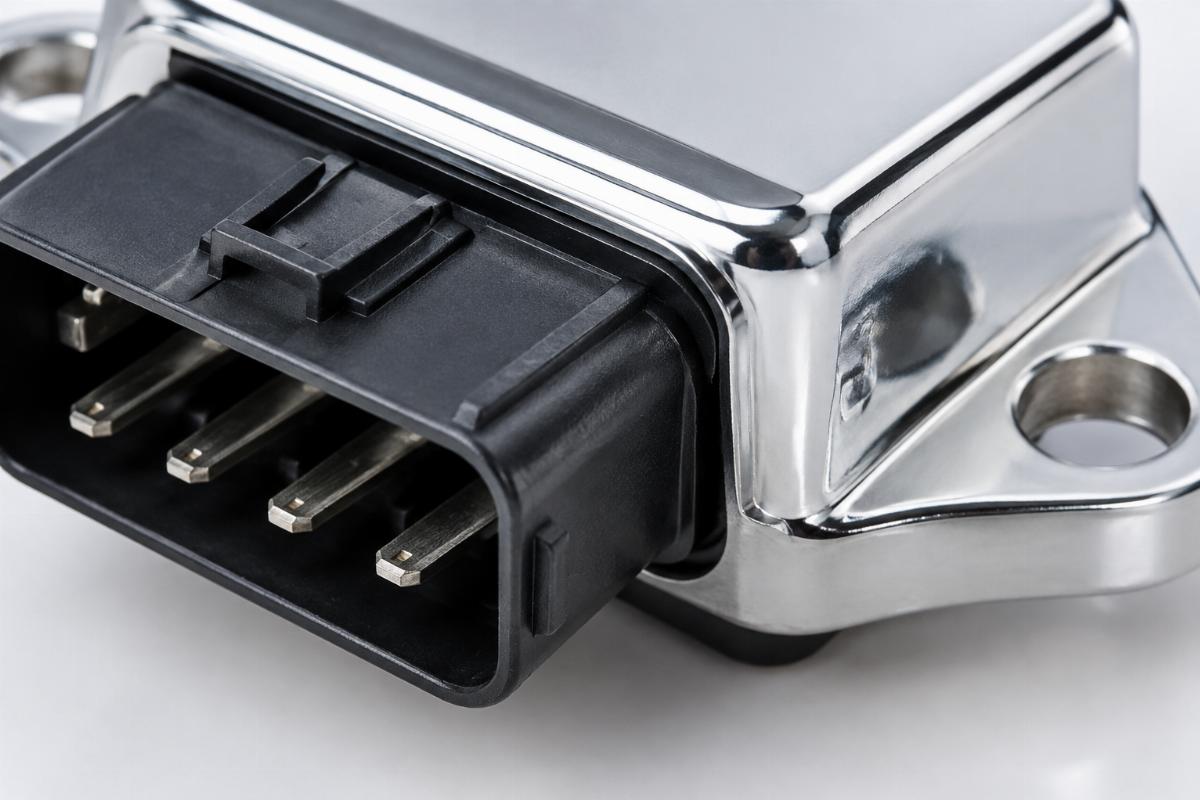
Installing a unit with the incorrect connector or voltage threshold forces the bike to remain on the lift while the shop sources the correct replacement. This delays the build timeline and incurs additional shipping costs for the return. Furthermore, relying on superseded part numbers from older manuals without cross-referencing the current harness type leads to repeated ordering errors. A single mismatched terminal can prevent the charging system from engaging, leaving the rider stranded and the shop liable for the diagnostic time spent troubleshooting a simple plug-in failure [NEED_CITE: diagnostic time lost to incorrect aftermarket electrical parts].
Sourcing from a Fitment-Focused Supplier
We verify the platform family and model year range against your inquiry before generating a quotation. Our catalogue supports both early mechanical replacement needs and later connector configurations in a single line. You can order a single voltage regulator for a restoration project without meeting high minimum quantity thresholds. We cross-reference your requirements against known fitment data to confirm the connector type matches your specific application. Sample units are available for fitment confirmation before you commit to bulk orders for your distribution catalogue.
Documentation and Verification Records
- Fitment sheet stating applicable platforms and exact year ranges
- Electrical rating sheet confirming 12 Volt output and connector type
- Finish specification detailing the chrome plated housing treatment
- Quality inspection record verifying terminal continuity and housing integrity
- Packing photographs showing the unit and connector orientation
- Warranty terms covering manufacturing defects and electrical faults
Pre-Installation Inspection Checklist
- Verify the chrome plated housing is free from plating defects or shipping damage
- Confirm the Deutsch and Delphi terminals match your specific wiring harness plug
- Check the 12 Volt output rating against your stator and battery specifications
- Ensure the mounting bracket aligns with your frame or custom bracket holes
- Have a qualified technician inspect the electrical connections before powering the system
- Store the unit in a dry environment to prevent terminal corrosion before installation
Requesting a Fitment Check
Send your exact model family and year range to confirm this voltage regulator for big twin & sportster matches your build. Provide a photograph of your current wiring harness plug if you are unsure whether it requires standard terminals or the Deutsch and Delphi configuration. Let us know if you need a single piece for a shop repair or a sample to verify fitment before a larger distribution order.
Frequently Asked Questions
Q: How do I confirm my exact model year fits this electronic regulator?
A: Check your frame and engine serial numbers against the factory documentation to establish the precise production year. This unit covers Big Twin models from 1965 to 1969 and Sportster models from 1965 to 1977. If your bike falls outside these ranges or features a modified harness, provide the serial numbers and harness details for a direct fitment verification before ordering.
Q: What is the difference between mechanical and electronic regulators for these early models?
A: Early models originally used mechanical points-based regulation, which requires frequent adjustment and wears out over time. This electronic unit replaces the mechanical system internally, providing a solid-state conversion that maintains a steady charge without moving parts. It bolts into the original mounting location but requires the correct wiring connection to function properly.
Q: How do I verify the connector type for 1997/later applications?
A: Inspect the wiring harness plug on your motorcycle or the replacement harness you are using. If the plug features distinct circular pins and a locking mechanism typical of Deutsch or Delphi designs, you need the specific connector option listed for this unit. Standard flat spade terminals will not mate with these later harness configurations.
Q: Can I order a single voltage regulator for a custom restoration project?
A: Yes, we support single-piece orders for independent repair shops and custom builders working on individual motorcycles. There are no minimum order quantities blocking a single-unit purchase. You can request a sample to verify the chrome finish and connector type before deciding to keep the part for your build.
Q: How do I cross-reference my old mechanical regulator part number?
A: Provide the old part number along with your motorcycle model and year during the inquiry process. We will cross-reference it against our fitment data to confirm if this electronic unit is the correct replacement. Note that all cross-references are provided for identification purposes only to ensure the physical and electrical specifications match your application.