
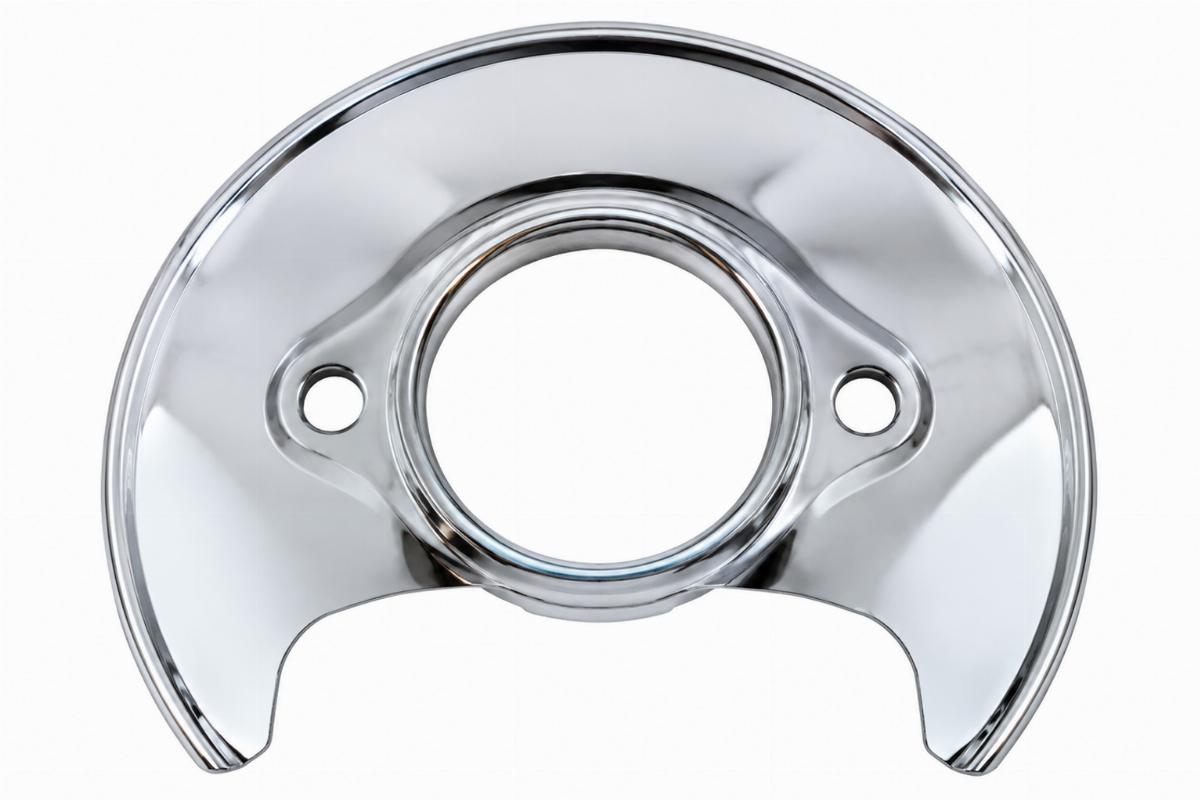
Lower Bearing Dust Shield for Big Twin 1949-Up – OEM Ref 48365-48A
Platform and Year Verified — Every lower bearing dust shield is checked against specific Big Twin and Sportster year ranges before dispatch.
Product Specification
| Parameter | Value |
|---|---|
| OEM Reference | 48365-48A (reference only) |
| Part Type | Lower Bearing Dust Shield |
| Finish | Chrome Plated |
Fitment
| Platform | Year Range | Notes |
|---|---|---|
| Big Twin | 1949-up | Fits all models except Dyna 2006-up |
| Sportster | 1982-2003 | Confirm with model and year |
Independent aftermarket part. Not manufactured, sold or endorsed by any motorcycle manufacturer. Model names and OEM numbers are used for fitment reference only.
Why Frame Generation Dictates the Right lower bearing dust shield for big twin
Early and late steering neck dimensions differ, making exact year verification mandatory.
I still remember sourcing lower bearing dust shields for Big Twin 1949/Later models based on an old catalog. The early and late versions looked exactly the same visually, but the inner diameter differed by a fraction. The parts arrived, but they simply would not seat properly on the steering neck, wasting weeks of rebuild time [NEED_CITE: factory service manual specifications by model year]. That mistake taught me to always verify critical dimensions and cross-reference superseded numbers instead of just trusting old manuals.
Verifying Steering Stem Dimensions
When sourcing a lower bearing dust shield for big twin applications, the outer diameter of the steering stem and the inner diameter of the dust shield must align perfectly. A mismatch of even a fraction of a millimeter prevents the shield from seating flush against the frame neck. We verify these critical dimensions against the specific frame generation to ensure the chrome plated component slides on without binding.
Checking Head Cup Interfaces
The lower bearing dust shield for big twin platforms must also interface correctly with the head cup and neck bearing race. Different frame generations utilize varying head cup depths and bearing angles [NEED_CITE: head cup dimension changes across early and late frames]. Confirming the exact frame year ensures the dust shield maintains the correct clearance and alignment with the surrounding steering head hardware.
Understanding the Chrome Plated Finish
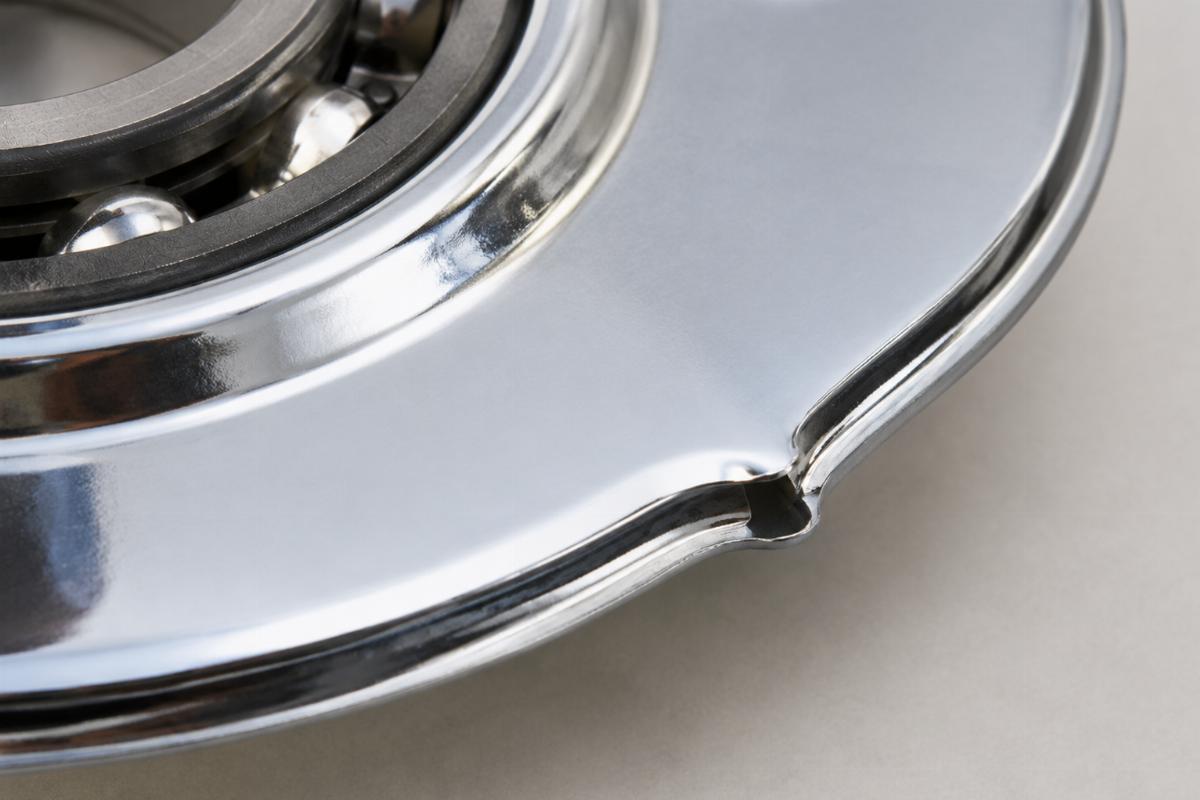
The chrome plated finish on this lower bearing dust shield is applied to provide a consistent appearance alongside other front-end components. Surface consistency is critical when mixing new aftermarket replacement parts with older restored hardware. We monitor the plating process to ensure the finish matches the visual standard expected for classic front-end assemblies.
The Hidden Cost of Steering Hardware Mismatches
Ordering the wrong lower bearing dust shield for big twin frames often leads to immediate assembly failures. If the inner diameter is too small, the part will not slide over the steering stem; if it is too large, it will rattle and fail to seal the bearing assembly. This forces the repair shop to halt the rebuild, return the incorrect parts, and wait for replacements, leaving the motorcycle stranded on the lift [NEED_CITE: steering stem diameter variations by model year].
Sourcing from a Fitment-Focused Supplier
We confirm the fitment of every lower bearing dust shield against the specific platform family and model year range before quotation. Our catalogue allows you to order a single piece for a restoration project without meeting high minimum order quantities. We also provide a cross-reference against the 48365-48A number, marked reference only, to help you verify compatibility with your existing service manuals.
Documentation Provided
- Fitment sheet stating applicable Big Twin and Sportster year ranges
- Cross-reference sheet with OEM numbers marked reference only
- Finish specification detailing the chrome plated surface standard
- Quality inspection record verifying critical inner diameter dimensions
Receiving and Pre-Installation Checks
- Verify the inner diameter of the lower bearing dust shield matches your steering stem.
- Check the chrome plated surface for any plating defects before installation.
- Confirm the part number and year range against your specific frame generation.
- Store the dust shield in a dry environment to preserve the chrome finish.
Requesting a Fitment Check
Send your model code, year, and a photograph of the old steering head hardware for a precise fitment check. If you are working with a superseded part number, provide the original reference so we can verify the correct replacement. We can also supply a sample for physical trial assembly before you commit to a bulk order.
Frequently Asked Questions
Q: How do I confirm my specific Big Twin model year is compatible with this dust shield?
A: Provide your exact model code and production year so we can verify the steering stem diameter and head cup dimensions against our fitment records. Early and late frames use different sizes, so exact year verification is required to ensure the lower bearing dust shield for big twin applications seats properly.
Q: What are the differences in head cup sizes between early and late frames?
A: Early and late frames often utilize different head cup depths and bearing angles, which directly affects how the dust shield interfaces with the steering neck. We check these specific frame generation details to ensure the chrome plated shield aligns correctly with your existing neck bearing race.
Q: Can I order a single dust shield for a restoration project?
A: Yes, we support single-piece orders for custom builds and restorations without requiring high minimum order quantities. You can order exactly one lower bearing dust shield for big twin frames, and we will still provide the full fitment and cross-reference documentation.
Q: Is this part an original equipment manufacturer component?
A: No, this is an independent aftermarket replacement part. It is not manufactured, sold, or endorsed by any motorcycle manufacturer. The 48365-48A number is provided for cross-reference identification only to help you verify compatibility.
Q: How do you ensure the chrome finish matches other front-end parts?
A: We monitor the plating process to maintain a consistent surface standard across batches. When ordering, you can request the finish specification and quality inspection record to verify the chrome plated appearance matches your other restored front-end components.