
Aftermarket Replacement Upper and Lower Zinc Dust Shields
Zinc Finish Consistency — Each batch of zinc dust shields undergoes visual inspection to ensure uniform coating thickness and color across the pair, preventing mismatched appearances when installed side by side.
Product Specification
| Parameter | Value |
|---|---|
| Part Type | Dust Shields |
| Finish | Zinc |
| Bearing Type | Timken style bearings |
| Quantity | Pair (upper and lower) |
Fitment
| Platform | Year Range | Notes |
|---|---|---|
| Not stated | Not stated | For use with Timken style bearings; confirm exact diameter and depth for your specific frame. |
Independent aftermarket part. Not manufactured, sold or endorsed by any motorcycle manufacturer. Model names and OEM numbers are used for fitment reference only.
Why Zinc Dust Shields Motorcycle Aftermarket Buyers Must Verify Bearing Types
Matching the dust shield to the exact Timken style bearing seat diameter prevents debris ingress and steering head damage.
Dust shield listings often omit the specific bearing type they fit, leading to mismatched parts that fail to seal properly against debris and moisture. A shop once ordered upper and lower zinc dust shields for a Springer Softail build, matching the reference only to find the late-frame neck bearing race diameter was larger than the early version. The shields seated but left a gap that let grit straight into the steering head, forcing a complete teardown [NEED_CITE: frame geometry and bearing seat diameter changes across model years].
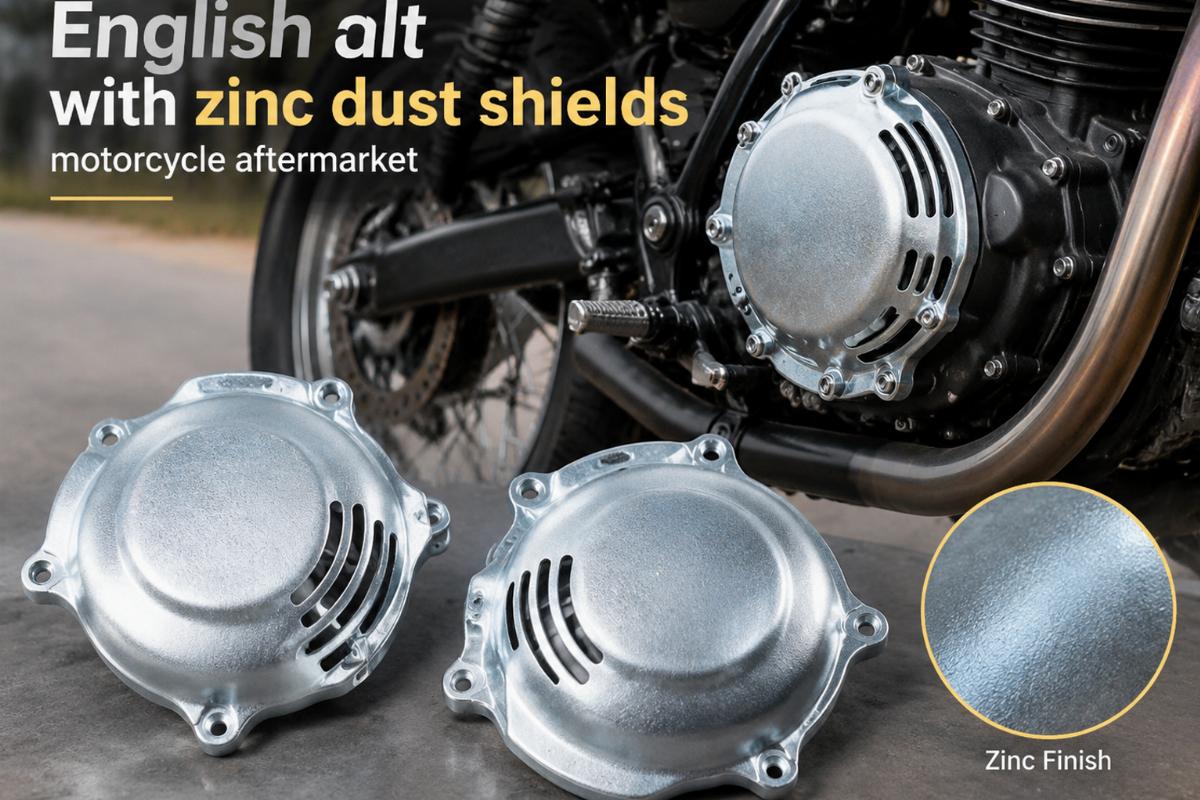
Confirming Timken Style Bearing Compatibility
Before ordering, you must verify that your steering head tree is machined specifically for Timken style bearings, as cone and cup dimensions differ from standard caged roller setups. The zinc dust shields motorcycle aftermarket replacement relies on this exact interface to create a physical barrier against road grime. If the inner race diameter is off by even a fraction, the shield will either bind during steering or sit proud, exposing the bearing cavity.
Press-Fit Depth and Shield Seating
The outer lip of the dust shield must press evenly into the neck cup without buckling the zinc coating. We dimension these shields to match the standard depth required for Timken style bearing stacks, ensuring the upper and lower shields sit flush against the races [NEED_CITE: steering head cup machining tolerances by frame generation]. Measuring the existing cup depth with calipers before installation confirms whether the new pair will seat correctly without requiring machine work.
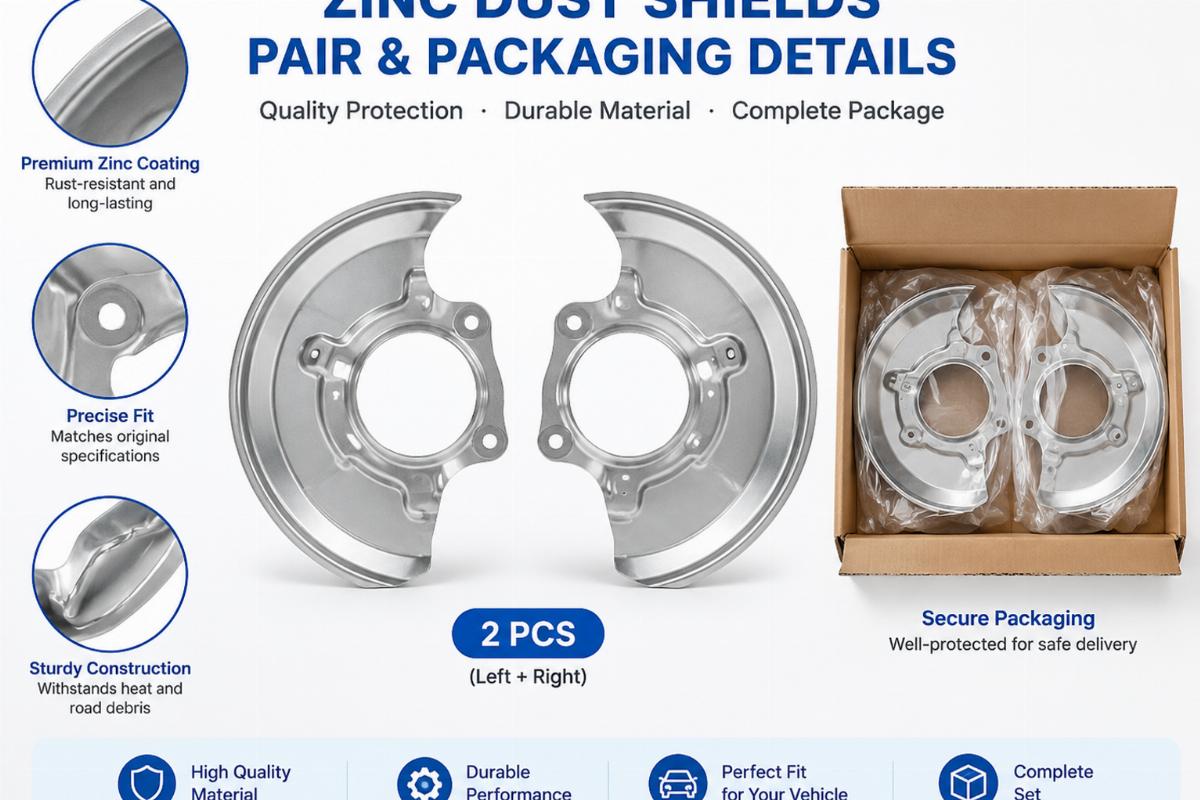
The Hidden Cost of Incorrect Shield Sizing
When a dust shield does not match the frame year or bearing type, the bike often sits on the lift while the shop waits for replacement parts. A shield that is too shallow will vibrate loose over time, while one that is too deep will crush the bearing seal during assembly. This mismatch forces the mechanic to drain the steering head, remove the trees, and start the bearing installation process from scratch, multiplying labor hours [NEED_CITE: labor impact of steering head teardown due to incorrect front end parts].
Sourcing Verified Front End Components
We verify the frame year range and bearing type before quoting any front end hardware, ensuring the zinc dust shields match your specific steering head configuration. Our catalogue provides cross-reference data against original numbers marked reference only, helping you trace superseded part numbers for older frames. You can order a single pair for a custom build or request a sample to confirm the press-fit dimensions before committing to a larger batch for your shop.
Documentation Provided
- Fitment sheet stating applicable platforms and year ranges verified for Timken style bearings
- Cross-reference sheet with original numbers marked reference only
- Key dimensions including shield outer diameter and press-fit depth
- Finish specification detailing the zinc coating process
- Quality inspection record confirming visual check of the pair
Receiving and Pre-Installation Checks
- Verify the pair includes both upper and lower zinc dust shields without surface pitting
- Measure the outer diameter of each shield against your steering head cup specifications
- Confirm the inner bore clears the Timken style bearing inner race without binding
- Inspect the zinc finish for uniform coverage before pressing into the neck cups
- Store the pair in a dry environment to prevent white rust on the zinc coating
Requesting a Fitment Check
Send your model designation, year range, and a photograph of the existing steering head or bearing setup to confirm compatibility. Providing the measured outer diameter of your current dust shields helps us match the correct zinc profile for your frame. We will return a fitment sheet and quotation based on your specific Timken style bearing requirements.
Frequently Asked Questions
Q: How do I confirm if my steering head uses Timken style bearings?
A: Remove the existing steering stem and inspect the bearing assembly. Timken style setups use separate inner races and outer cups with tapered rollers, unlike caged ball or roller bearings. Measure the inner race outer diameter and compare it to known Timken specifications for your frame generation.
Q: What key dimensions should I measure for dust shield fitment?
A: Measure the outer diameter of the dust shield and the inner bore diameter. You must also check the press-fit depth of the neck cup to ensure the shield will seat flush against the Timken style bearing without interfering with the steering stem seal or nut.
Q: Can I order a single pair or is it only sold in bulk?
A: You can order a single pair of upper and lower zinc dust shields for a custom build or restoration. We support minimum orders from one piece, allowing independent repair shops and custom builders to source exact fitment parts without meeting high volume thresholds.
Q: How do you handle fitment for discontinued or older models?
A: We cross-reference original numbers marked reference only and verify the frame year range before quoting. If your model is no longer supported by brand channels, provide a photograph or measurement of the steering head, and we will identify the correct zinc dust shield profile for your specific Timken style bearing setup.